
Sharie Kelley
LCSWOregon · 30 yrs exp
Oregon LCSW - self esteem and trauma
Stress, Anxiety · Addictions · Trauma and abuse · Depression · +13 more
Read profileTherapists and counselors in the United States
Need help now? 988Therapist listings come from BetterHelp. If you sign up through our links, we will earn a commission at no extra cost to you.
This page groups profiles for clinicians who list self-esteem among their specialties in the listed location Oregon. Compare approaches, credentials, languages, and therapeutic focus, then browse individual profiles to confirm a clinician's license and permission to work with you where you live.
Oregon · 30 yrs exp
Oregon LCSW - self esteem and trauma
Stress, Anxiety · Addictions · Trauma and abuse · Depression · +13 more
Read profile
Oregon · 19 yrs exp
LMFT - Stress and Self esteem
Stress, Anxiety · Relationship · Grief · Self esteem · +1 more
Read profile
Oregon · 20 yrs exp
LMFT in Oregon - Stress and Self esteem support
Stress, Anxiety · Addictions · Self esteem · Depression · +7 more
Read profile
Oregon · 8 yrs exp
LCSW - Self esteem and Parenting
Parenting · Anger · Self esteem · Depression · +10 more
Read profile
Oregon · 17 yrs exp
LCSW - Stress and Self esteem
Stress, Anxiety · Grief · Depression · Coping with life changes · +2 more
Read profile
Oregon · 17 yrs exp
Licensed clinical social worker - Self esteem and trauma
Stress, Anxiety · Relationship · Trauma and abuse · Parenting · +14 more
Read profile
Oregon · 10 yrs exp
Licensed Marriage and Family Therapist - Self esteem and Relationships
Stress, Anxiety · Addictions · Family · Trauma and abuse · +9 more
Read profile
Oregon · 19 yrs exp
LCSW, LICSW - Stress and self esteem-focused
Stress, Anxiety · Trauma and abuse · Self esteem · Depression · +9 more
Read profile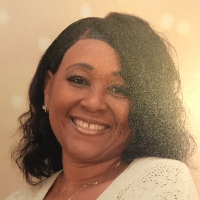
Oregon · 22 yrs exp
LPCC counselor - anxiety and self esteem
Stress, Anxiety · Addictions · Trauma and abuse · Depression · +10 more
Read profile
Oregon · 10 yrs exp
LCSW - Relationships and self esteem
Stress, Anxiety · Relationship · Family · Trauma and abuse · +10 more
Read profile
Oregon · 12 yrs exp
LPC in Oregon - Anxiety and Self esteem
Stress, Anxiety · Relationship · Self esteem · Bipolar · +1 more
Read profile
Oregon · 15 yrs exp
Oregon LPC - Self esteem and relationships
Stress, Anxiety · Trauma and abuse · Grief · Depression · +10 more
Read profile
Oregon · 15 yrs exp
Licensed counselor - Self esteem and relationships
Stress, Anxiety · Relationship · Trauma and abuse · Self esteem · +1 more
Read profile
Oregon · 5 yrs exp
Licensed Professional Counselor - Stress and Relationships
Stress, Anxiety · Relationship · Trauma and abuse · Self esteem · +1 more
Read profile
Oregon · 7 yrs exp
LCSW - Addictions and Self esteem
Stress, Anxiety · Addictions · Trauma and abuse · Self esteem · +1 more
Read profile
Oregon · 14 yrs exp
Licensed counselor - Self esteem and relationships
Stress, Anxiety · LGBT · Relationship · Anger · +10 more
Read profile
Oregon · 14 yrs exp
Licensed Professional Counselor - Stress and Self esteem
Stress, Anxiety · Relationship · Grief · Depression · +7 more
Read profile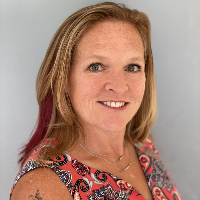
Oregon · 28 yrs exp
LPC in Oregon - relationships and self esteem
Stress, Anxiety · Relationship · Family · Parenting · +11 more
Read profile
Oregon · 11 yrs exp
LPC in Oregon - Self esteem and Trauma
LGBT · Trauma and abuse · Self esteem · Depression · +7 more
Read profile
Oregon · 12 yrs exp
Licensed Professional Counselor - Self esteem and relationships
Stress, Anxiety · Relationship · Family · Parenting · +1 more
Read profile
Oregon · 6 yrs exp
Licensed Professional Counselor - Self esteem and Anxiety
Stress, Anxiety · Addictions · Trauma and abuse · Anger · +4 more
Read profile
Oregon · 24 yrs exp
LCSW - Relationships and Self esteem
Stress, Anxiety · Relationship · Trauma and abuse · Grief · +4 more
Read profile
Oregon · 13 yrs exp
Licensed Clinical Social Worker - Stress and Relationships
Stress, Anxiety · Addictions · Relationship · Trauma and abuse · +1 more
Read profile
Oregon · 8 yrs exp
Licensed Professional Counselor - Mood and self-esteem
Stress, Anxiety · Anger · Self esteem · Bipolar · +4 more
Read profileWhen you look for help with self-esteem, you are often trying to address patterns that affect how you view yourself and relate to others. Self-criticism can show up as an inner voice that minimizes your achievements or magnifies mistakes. Comparison with others can chip away at your sense of worth and leave you feeling less capable or less deserving. Questions about identity and personal values may make decisions feel heavier or create a sense of being disconnected from who you want to be. Confidence and self-regard fluctuate over time and can be influenced by relationships, work, social messages, and life transitions.
On a profiles page for Oregon, you will encounter clinicians who list self-esteem among the issues they work with. That listing describes an area of interest rather than a medical diagnosis or a guaranteed outcome. You can use the information in profiles to identify professionals who mention the concerns that match your experience, whether that is chronic self-criticism, difficulty asserting needs, or uncertainty about identity and values. As you read, think about which descriptions feel like a fit for the specific aspects of self-esteem you want to address.
Seeing a profile grouped under the listed location Oregon means the clinician has indicated Oregon as a place they connect with professionally, not that every profile reflects a physical office address or an active license in your county. It is important to check each individual profile and to confirm permission to work with you where you live. Licensing and authorization to practice are handled at the state level, and a degree alone does not equal current permission to practice.
Academic degrees such as PhD, PsyD, MD, MA, and MSW describe educational background, while professional licenses or registrations indicate legal permission to provide clinical care in a jurisdiction. Common labels you may see include licensed psychologist, licensed clinical social worker, licensed professional counselor, and licensed marriage and family therapist. A profile may list degrees and may also note a license type. You should verify both the degree and the current licensing status by asking the clinician directly or checking the relevant state licensing board. This step helps ensure that the person you are considering is authorized to practice in the place where you live or where you plan to meet.
When you review profiles and consider reaching out, having a set of specific questions helps you compare clinicians in a meaningful way. Ask how the clinician typically understands self-esteem concerns and what they see as common patterns in people who struggle with self-criticism or comparison. Request examples of the kinds of conversations they prioritize early on in the work and how they measure whether the approach is helpful for you. If the clinician lists particular therapeutic approaches, ask what that label means in practice for them. For example, you might say - I noticed you list a certain approach among your methods - how do you apply that when someone is dealing with persistent self-doubt?
Inquire about their experience working with issues similar to yours, such as identity exploration, value clarification, or social anxiety that undercuts confidence. Ask about the typical focus of sessions - whether they lean more toward skill-building, exploring early life patterns, or identifying and changing negative self-talk. If you have particular life circumstances, ask how they structure the work around those, and how they define the limits of what they can help with. Remember that a profile listing does not establish that a clinician treats children, couples, or families, so explicitly ask about scope and populations served.
If you are considering remote or online sessions, it helps to cover a few practical matters before beginning. Ask whether the clinician is authorized to provide care to people in your state and confirm that their listed location includes permission to work with you where you live. Discuss how they handle technology - what platform they use and what steps they recommend for setting up your device. You should also talk about boundaries and logistics - how appointments are scheduled and what the clinician recommends if a session needs to be rescheduled or if an emergency arises between meetings.
Privacy protections and record keeping are important topics for remote work. Ask what types of information the clinician documents and how they protect your data, and whether they provide a written agreement that outlines the terms of care. Discuss what you should do in a crisis and how to access local supports if you live in a different city from the clinician. These conversations help you understand how remote work will be handled and whether it fits your needs without assuming anything about format or outcomes.
When comparing profiles in Oregon, look beyond labels and focus on concrete signals that match your priorities. Focus areas often describe the kinds of issues a clinician has chosen to highlight - for example, they may mention self-criticism, identity work, transitions, or performance anxiety. Read the language in each profile to see whether they emphasize exploring personal history, building specific skills, clarifying values, or addressing relational patterns. This will give you a sense of the balance of exploratory and pragmatic work they tend to offer.
Language access can matter a great deal. If you prefer to work in a language other than English, search profiles for language offerings and ask whether they conduct therapeutic conversations in that language or whether they use interpreters. Consider the clinician's stated credentials and degrees and remember the distinction between academic titles and professional licenses. Degrees like a PhD or MSW indicate training and education, while licenses and registrations indicate the legal permission to practice in your state. If a profile mentions particular modalities, treat that as information to discuss, not proof of formal certification or exclusive use of that approach. For example, you can phrase a question by saying - I see you list a particular approach among your approaches - how do you use it when someone is working on low self-esteem?
Finally, consider the tone and style you want in the therapeutic relationship. Some clinicians describe themselves with words suggesting a directive, skills-focused style, while others use language that implies a reflective, exploratory stance. Think about which style feels easier for you to engage with and ask the clinician how they typically work with someone who struggles with persistent self-criticism or comparison. Use the profiles to narrow your choices, then reach out to ask the specific questions that matter most to your situation. Always confirm license and permission to work with you where you live before beginning any sessions, and discuss your needs and the clinician's actual scope directly so you can make an informed decision about the next steps.
Addictions
1341 therapists
ADHD
1037 therapists
Anger
1659 therapists
Bipolar
937 therapists
Control Issues
1074 therapists
Depression
3560 therapists
Grief
2029 therapists
Guilt and Shame
2155 therapists
Impulsivity
894 therapists
Intimacy Issues
846 therapists
Isolation / Loneliness
1909 therapists
Midlife Crisis
835 therapists
Mood Disorders
1480 therapists
Panic Disorder and Panic Attacks
1116 therapists
Post-Traumatic Stress
1675 therapists
Social Anxiety and Phobia
1776 therapists
Stress & Anxiety
4146 therapists
Trauma and Abuse
2536 therapists
Abandonment
1056 therapists
Attachment Issues
1231 therapists
Body Image
775 therapists
Caregiver Issues and Stress
1287 therapists
Codependency
908 therapists
Communication Problems
2080 therapists
Compassion Fatigue
962 therapists
Coping with Life Changes
2889 therapists
Divorce
1223 therapists
Family
1983 therapists
Family of Origin Issues
829 therapists
Forgiveness
1933 therapists
Life Purpose
2255 therapists
Parenting
1491 therapists
Relationship
2680 therapists
Self-Love
2500 therapists
Workplace Issues
1076 therapists