
Christina Thomas
LPCTexas · 6 yrs exp
Licensed Professional Counselor - Anxiety and Self esteem
Stress, Anxiety · Family · Eating · Self esteem · +1 more
Read profileTherapists and counselors in the United States
Need help now? 988Therapist listings come from BetterHelp. If you sign up through our links, we will earn a commission at no extra cost to you.
Compare profiles of counselors who list life purpose and self-esteem as focus areas to see how approaches, credentials, languages, and listed location align with your needs. Browse the profiles below to review each clinician's specialty notes and approach summaries, and reach out to learn whether they fit what you want.
Texas · 6 yrs exp
Licensed Professional Counselor - Anxiety and Self esteem
Stress, Anxiety · Family · Eating · Self esteem · +1 more
Read profile
Connecticut · 9 yrs exp
Licensed Professional Counselor - Self esteem and mood
Stress, Anxiety · Anger · Self esteem · Depression · +1 more
Read profile
Mississippi · 20 yrs exp
LPCC, LPC - Stress and Trauma
Stress, Anxiety · Trauma and abuse · Parenting · Self esteem · +7 more
Read profile
Missouri · 20 yrs exp
LCSW - Family and Trauma support
Family · Trauma and abuse · Grief · Coping with life changes · +7 more
Read profile
Florida · 15 yrs exp
Licensed Mental Health Counselor - Self esteem and Anxiety
Stress, Anxiety · Anger · Self esteem · Coping with life changes · +1 more
Read profile
Mississippi · 10 yrs exp
LCSW - Stress and Self esteem
Stress, Anxiety · Relationship · Anger · Self esteem · +1 more
Read profile
Ohio · 6 yrs exp
LISW LCSW - Stress and Self esteem
Stress, Anxiety · Addictions · Trauma and abuse · Grief · +1 more
Read profile
Illinois · 10 yrs exp
LCSW - Stress and self esteem support
Stress, Anxiety · Trauma and abuse · Grief · Self esteem · +11 more
Read profile
Louisiana · 4 yrs exp
Licensed Professional Counselor - Anxiety and Self esteem
Stress, Anxiety · Anger · Self esteem · Depression · +1 more
Read profile
Texas · 17 yrs exp
Dr. Dora Whiteside - LPC, Stress and Self esteem
Stress, Anxiety · Addictions · Self esteem · Bipolar · +15 more
Read profile
Michigan · 10 yrs exp
Licensed Professional Counselor - Self esteem and Trauma
Stress, Anxiety · Family · Trauma and abuse · Grief · +12 more
Read profile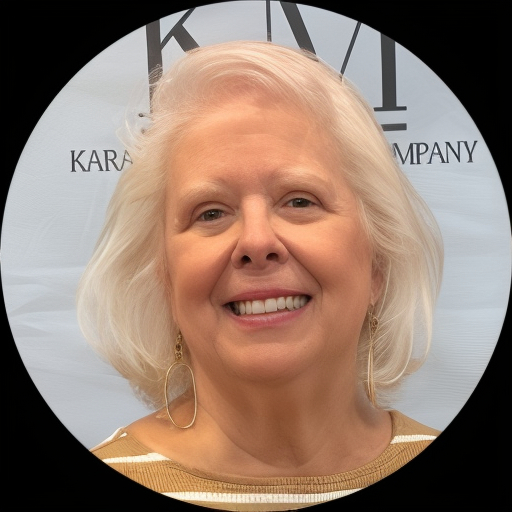
Oklahoma · 22 yrs exp
LPC in Oklahoma - Relationships and Self-esteem
Stress, Anxiety · Relationship · Trauma and abuse · Self esteem · +1 more
Read profile
New York · 8 yrs exp
Licensed Clinical Social Worker - Self esteem, Anxiety
Stress, Anxiety · Family · Self esteem · Depression · +1 more
Read profile
Mississippi · 8 yrs exp
Licensed Professional Counselor - Stress and Self esteem
Stress, Anxiety · Anger · Self esteem · Depression · +1 more
Read profile
North Carolina · 12 yrs exp
LCSW - Self esteem and Anxiety support
Stress, Anxiety · Relationship · Trauma and abuse · Self esteem · +1 more
Read profile
Texas · 21 yrs exp
LCSW - Anxiety and self esteem
Stress, Anxiety · Relationship · Trauma and abuse · Intimacy-related issues · +15 more
Read profile
South Carolina · 5 yrs exp
Licensed Professional Counselor - self esteem and anxiety
Stress, Anxiety · LGBT · Grief · Self esteem · +1 more
Read profile
Texas · 12 yrs exp
Licensed Professional Counselor - Relationships and Self esteem
Relationship · Trauma and abuse · Anger · Self esteem · +1 more
Read profile
California · 6 yrs exp
Licensed Clinical Social Worker - Stress and Self esteem
Stress, Anxiety · Family · Anger · Self esteem · +4 more
Read profile
Florida · 20 yrs exp
LCSW - Stress and Self esteem
Stress, Anxiety · Trauma and abuse · Grief · Self esteem · +9 more
Read profile
Texas · 3 yrs exp
Licensed Professional Counselor - Self esteem and Relationships
Stress, Anxiety · Trauma and abuse · Anger · Self esteem · +7 more
Read profile
Illinois · 8 yrs exp
Licensed Clinical Social Worker - Stress and Self esteem
Stress, Anxiety · Grief · Self esteem · Depression · +1 more
Read profile
Wyoming · 10 yrs exp
Licensed Clinical Social Worker - Self esteem and Anxiety
Stress, Anxiety · Addictions · Grief · Eating · +9 more
Read profile
New York · 16 yrs exp
LCSW-R therapist - anxiety and self esteem
Stress, Anxiety · Self esteem · Coping with life changes
Read profileWhen you are questioning what matters to you, whether you fit the roles people expect, or why some achievements feel hollow, those experiences often touch both life purpose and self-esteem. You might notice self-criticism, constant comparison to others, or uncertainty about your identity showing up alongside questions about meaning and direction. Those are common and understandable reactions when your values, roles, or relationships shift. Exploring purpose often brings up early messages about worth and competence, while working on self-esteem can reveal gaps between how you see yourself and what you want to pursue. It helps to think of these patterns as related areas to explore rather than as a single cause or a fixed label.
When you look through profiles, you can pay attention to how clinicians describe the interplay between identity, values, and confidence. Some write about helping people untangle self-criticism or reduce damaging comparison habits. Others emphasize clarifying values or experimenting with roles and goals. Each clinician's language gives you a sense of whether they will approach your questions about meaning and self-worth in a way that matches your outlook and cultural context.
Counselors take different routes when clients bring questions about life purpose. Some emphasize exploring personal values and how day-to-day choices connect to those values. Others focus on narratives - the stories you tell yourself about who you are - and how those stories shape feelings of worth. You may find profiles that mention reflective practices, meaning-focused conversations, or work on identity transitions such as career change, retirement, parenting shifts, or cultural role changes. Therapists who list specific approaches among their methods may include cognitive-behavioral ideas, narrative approaches, acceptance-oriented work, mindfulness-informed practices, or emotion-focused perspectives. Remember that a profile note that lists an approach is not evidence of certification in that approach - it simply signals an interest or style that you can discuss further.
Because life purpose and self-esteem are shaped by cultural background, relationships, and life stage, you may prefer someone who names experience with similar contexts. Profiles that mention languages spoken, community familiarity, or experience with particular life transitions can help you gauge fit. Thinking about whether you want a clinician who leans toward practical goal-setting or toward reflective meaning-making will make it easier to compare profiles and select a few to contact for an initial conversation.
When you reach out to a clinician or read a profile closely, concrete questions help you move beyond general descriptions. Ask how they typically support people who are wrestling with identity, self-criticism, and purpose - for example, whether they tend to explore values, test small changes in daily life, or work with thought patterns that undermine confidence. You can ask about their experience with particular populations or life stages that reflect your situation. Ask what languages they speak and how cultural factors inform their work. For credentials, note the difference between academic degrees and professional licenses. A degree such as PhD, PsyD, MD, MA, or MSW describes education, but it does not by itself establish current permission to practice. Request information about the clinician's professional license or registration and confirm that they are permitted to work with you in your listed location. It is reasonable to ask how long they have been practicing in this area and whether they regularly work with self-esteem and life purpose topics. These questions will help you assess whether a clinician's profile aligns with the practical and personal elements that matter to you.
If you are considering remote sessions, there are several practical topics to cover before you begin. Discuss whether the clinician is licensed to offer care in your jurisdiction and whether that affects how they work across state or national lines. Talk about technology expectations - which platforms they use, how sessions are scheduled, and what to do if a connection drops. Ask about privacy practices and how records are managed, as well as how they handle urgent concerns or crises when you are not in the same place. Clarify how they set goals together, how progress is reviewed, and what a typical session focus might be when you are exploring life purpose or self-esteem. It is also appropriate to ask about session length, cancellation policies, and what you should prepare for a first meeting. These practical conversations do not replace the therapeutic process, but they help you set realistic expectations and ensure you and the clinician are aligned on logistics before you begin deeper work.
When you compare profiles, read beyond a single phrase and look for patterns in how clinicians write about their work. Notice whether self-esteem and life purpose appear together and how they describe the relationship - do they emphasize values clarification, identity exploration, behavioral experiments, or narrative reframing? Pay attention to listed languages and cultural notes if that matters for how you prefer to be understood. Look for clarity about credentials and then verify licensure and permission to practice in your location as part of your outreach. Style matters as much as credentials; some clinicians use direct, solution-focused language while others emphasize reflection and exploration. Consider what tone and language feel most inviting to you.
Useful comparison questions might include: Do they describe experience with concerns like persistent self-criticism or social comparison? What approaches do they list, and how do those approaches sound when you read the profile? Which languages and cultural competencies do they note, and does their listed location suggest a regional understanding you value? Does the profile make clear whether they focus on short-term goals, longer-term identity work, or a mix? Use answers to these questions to narrow the profiles you want to contact and remember to verify each clinician's license and permission to work with you in your listed location before making decisions. Taking a thoughtful, question-driven approach will help you find profiles that reflect the practical details and therapeutic style that feel right for the kind of exploration you are ready to do.
Alabama
66 therapists
Alaska
16 therapists
Arizona
60 therapists
Arkansas
34 therapists
California
488 therapists
Colorado
104 therapists
Connecticut
37 therapists
Delaware
12 therapists
District of Columbia
15 therapists
Florida
464 therapists
Georgia
145 therapists
Hawaii
15 therapists
Idaho
26 therapists
Illinois
143 therapists
Indiana
87 therapists
Iowa
18 therapists
Kansas
26 therapists
Kentucky
70 therapists
Louisiana
87 therapists
Maine
17 therapists
Maryland
80 therapists
Massachusetts
55 therapists
Michigan
159 therapists
Minnesota
69 therapists
Mississippi
53 therapists
Missouri
103 therapists
Montana
34 therapists
Nebraska
19 therapists
Nevada
28 therapists
New Hampshire
11 therapists
New Jersey
112 therapists
New Mexico
28 therapists
New York
259 therapists
North Carolina
150 therapists
North Dakota
7 therapists
Ohio
98 therapists
Oklahoma
62 therapists
Oregon
29 therapists
Pennsylvania
169 therapists
Rhode Island
8 therapists
South Carolina
93 therapists
South Dakota
11 therapists
Tennessee
59 therapists
Texas
549 therapists
Utah
30 therapists
Vermont
5 therapists
Virginia
105 therapists
Washington
60 therapists
West Virginia
12 therapists
Wisconsin
66 therapists
Wyoming
8 therapists