- CBT techniques
- EMDR for trauma
- Skills for emotion regulation
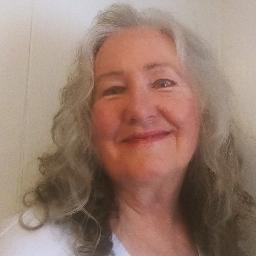
About Sharie
She earned a Bachelor of Arts in Social Sciences in Honolulu and a Master of Social Work from the University of Hawaii at Manoa in 1989. Much of her early career was spent in Hawaii, where training emphasized cultural awareness and broadened her perspective on working across cultures.
Her background includes outpatient community mental health, dual-diagnosis work in a methadone clinic, trauma treatment, and addictions counseling. She also spent many years doing crisis intervention across a county, responding to a wide range of urgent situations in hospitals, jails, schools, and public locations.
Sharie uses practical, skills-based methods such as cognitive behavioral therapy and elements of acceptance and commitment therapy. She also practices client-centered techniques and draws from dialectical behavior therapy when emotion regulation is needed. Eye Movement Desensitization and Reprocessing, or EMDR, is part of her trauma work.
Her work aims to help people notice patterns that hold them back, build clearer communication, and develop concrete coping skills. Sessions tend to include education about behaviors, focused skill practice, and conversations about what feels most pressing to the person in front of her.
Areas of expertise
Also works with
Additional focus areas
Therapeutic approaches
Experience
30+ years
Credentials
Oregon
Languages
English
How her approaches translate to online sessions
Sharie commonly uses cognitive behavioral therapy, which breaks problems into thoughts, feelings, and actions and focuses on practical skills to change patterns. CBT is often used for anxiety, depression, sleep issues, and low self esteem.She also uses Acceptance and Commitment Therapy, which helps people notice their values and take small steps toward them even when feelings are hard. ACT can assist with stress, avoidance, and coping with life changes. When trauma is central, she incorporates Eye Movement Desensitization and Reprocessing to address traumatic memories and reduce their hold on daily life.
Choosing the right approach is a collaborative process. The therapist will talk with the person about their goals, explain different methods, and try approaches that fit the person's needs and preferences.
If you are considering online sessions, confirm the current session formats before booking. Sharie's clinical methods adapt well to remote work because many sessions focus on talking, learning techniques, and practicing skills between meetings. Online meetings can make it easier to fit therapy into a workday, reduce travel time, or allow for shorter check-ins when needed. Discuss practical arrangements during the intake so session length and homework match everyday life.
Frequently asked questions
What concerns does she address most often?
She commonly helps people with stress, anxiety, depression, addictions, trauma, relationship and intimacy issues, parenting strain, grief, sleep problems, and concerns around self esteem.
What is her general therapeutic style?
Her approach is practical and psychoeducational, focusing on teaching skills, identifying unhelpful patterns, and improving communication.
How much experience does she have?
Sharie has worked in social work and mental health for 30 years, including community mental health, crisis intervention, and addictions treatment.
What credential does she hold and where is she based?
She is an Oregon LCSW and practices from Oregon.
Which languages are supported?
Sessions are offered in English.
Can people outside the U.S. work with her?
She does not accept international clients at this time.
How are sessions paid for and what about cost?
Session cost varies by location and therapy uses a subscription model that can be canceled at any time.
What should I do to begin working together?
Use the See online therapy options button, complete the short matching questionnaire, and schedule a first session.