
Christina Thomas
LPCTexas · 6 yrs exp
Licensed Professional Counselor - Anxiety and Self esteem
Stress, Anxiety · Family · Eating · Self esteem · +1 more
Read profileTherapists and counselors in the United States
Need help now? 988Therapist listings come from BetterHelp. If you sign up through our links, we will earn a commission at no extra cost to you.
Compare therapist profiles that list Self-Love among their specialties to find practitioners whose approaches, credentials, languages, and listed location match your needs. Browse profiles to learn about focus areas and professional backgrounds and reach out directly to discuss fit.
Texas · 6 yrs exp
Licensed Professional Counselor - Anxiety and Self esteem
Stress, Anxiety · Family · Eating · Self esteem · +1 more
Read profile
Connecticut · 9 yrs exp
Licensed Professional Counselor - Self esteem and mood
Stress, Anxiety · Anger · Self esteem · Depression · +1 more
Read profile
Mississippi · 20 yrs exp
LPCC, LPC - Stress and Trauma
Stress, Anxiety · Trauma and abuse · Parenting · Self esteem · +7 more
Read profile
Florida · 15 yrs exp
Licensed Mental Health Counselor - Self esteem and Anxiety
Stress, Anxiety · Anger · Self esteem · Coping with life changes · +1 more
Read profile
Mississippi · 10 yrs exp
LCSW - Stress and Self esteem
Stress, Anxiety · Relationship · Anger · Self esteem · +1 more
Read profile
Missouri · 13 yrs exp
Licensed Clinical Social Worker - Anxiety and Self esteem
Stress, Anxiety · Addictions · Relationship · Family · +6 more
Read profile
Texas · 8 yrs exp
Licensed Professional Counselor - Anxiety and Self esteem
Stress, Anxiety · Parenting · Self esteem · Depression · +1 more
Read profile
Louisiana · 4 yrs exp
Licensed Professional Counselor - Anxiety and Self esteem
Stress, Anxiety · Anger · Self esteem · Depression · +1 more
Read profile
Illinois · 4 yrs exp
LCPC in Illinois - Stress and Self esteem
Stress, Anxiety · Relationship · Self esteem · Coping with life changes · +7 more
Read profile
Texas · 17 yrs exp
Dr. Dora Whiteside - LPC, Stress and Self esteem
Stress, Anxiety · Addictions · Self esteem · Bipolar · +15 more
Read profile
New York · 8 yrs exp
Licensed Clinical Social Worker - Self esteem, Anxiety
Stress, Anxiety · Family · Self esteem · Depression · +1 more
Read profile
Mississippi · 8 yrs exp
Licensed Professional Counselor - Stress and Self esteem
Stress, Anxiety · Anger · Self esteem · Depression · +1 more
Read profile
North Carolina · 12 yrs exp
LCSW - Self esteem and Anxiety support
Stress, Anxiety · Relationship · Trauma and abuse · Self esteem · +1 more
Read profile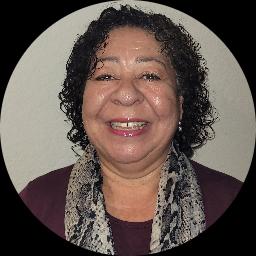
Texas · 21 yrs exp
LCSW - Anxiety and self esteem
Stress, Anxiety · Relationship · Trauma and abuse · Intimacy-related issues · +15 more
Read profile
North Carolina · 3 yrs exp
Licensed Clinical Social Worker - Stress and Self esteem
Stress, Anxiety · Family · Anger · Self esteem · +1 more
Read profile
South Carolina · 5 yrs exp
Licensed Professional Counselor - self esteem and anxiety
Stress, Anxiety · LGBT · Grief · Self esteem · +1 more
Read profile
Texas · 12 yrs exp
Licensed Professional Counselor - Relationships and Self esteem
Relationship · Trauma and abuse · Anger · Self esteem · +1 more
Read profile
Florida · 20 yrs exp
LCSW - Stress and Self esteem
Stress, Anxiety · Trauma and abuse · Grief · Self esteem · +9 more
Read profile
Texas · 3 yrs exp
Licensed Professional Counselor - Self esteem and Relationships
Stress, Anxiety · Trauma and abuse · Anger · Self esteem · +7 more
Read profile
Illinois · 8 yrs exp
Licensed Clinical Social Worker - Stress and Self esteem
Stress, Anxiety · Grief · Self esteem · Depression · +1 more
Read profile
Wyoming · 10 yrs exp
Licensed Clinical Social Worker - Self esteem and Anxiety
Stress, Anxiety · Addictions · Grief · Eating · +9 more
Read profile
New York · 16 yrs exp
LCSW-R therapist - anxiety and self esteem
Stress, Anxiety · Self esteem · Coping with life changes
Read profile
South Carolina · 20 yrs exp
Licensed Professional Counselor - Self esteem and Anxiety
Stress, Anxiety · Relationship · Trauma and abuse · Anger · +11 more
Read profile
Florida · 25 yrs exp
LMHC - Self esteem and Anxiety
Stress, Anxiety · Relationship · Trauma and abuse · Self esteem · +2 more
Read profileWhen you search for help with self-love, you are often looking to address a cluster of related experiences rather than a single diagnosis. Persistent self-criticism, repetitive comparison to others, low confidence in specific situations, questions about identity, and uncertainty about personal values are common starting points people bring to therapy. You might notice a pattern of negative self-talk that undermines decisions, or you might find yourself deferring choices because you doubt your judgment. These are all valid concerns to bring to a therapist. In a conversation, you can offer concrete examples of how these issues show up in daily life - for instance, how comparison affects your social media use, how self-criticism shapes your work performance, or how uncertainty about values influences relationships. That level of detail helps you and a potential therapist decide whether a listed profile aligns with what you want to address.
Self-love and self-esteem overlap in many ways, but neither label automatically prescribes a specific path of care. On this directory you will find profiles of practitioners who list Self-Love as a focus or specialty; that listing indicates interest or experience in these themes rather than a guarantee of a particular training or outcome. When you read profiles, note that self-esteem is framed as a concern people bring to therapy. A therapist's description may mention work with self-criticism, identity development, or value clarification. These references help you understand whether a professional’s focus might match your priorities. If a profile mentions approaches such as cognitive techniques, mindfulness-informed work, or narrative exploration, those are approaches some therapists list among their tools. They do not indicate uniform practice across every professional who lists them. Use the profile language to identify which practitioners describe work that sounds relevant to your situation, and then plan to ask specific questions about how they typically address the issues you care about.
You should go into conversations with concrete questions that let you compare profiles on substance rather than impressions alone. Ask how a therapist understands self-criticism and what concrete steps they might use to help someone notice and shift unhelpful patterns. You can ask whether they have experience working with people who struggle with social comparison and what kinds of interventions they commonly discuss for that issue. Clarify how they approach identity questions - for example, whether they focus on values clarification, life narrative, or decision-making supports. When reviewing a profile, look for mentions of populations served; then ask whether they have worked with people of similar age, cultural background, or life stage to yours. Clarify what the profile’s listed degrees mean in terms of current permission to practice. A PhD, PsyD, MD, MA, or MSW indicates an academic credential, not by itself a license to provide mental health care. Ask explicitly which professional license or registration they hold, in which jurisdictions, and whether that license permits them to work with you in your listed location. If a profile mentions specific therapeutic approaches, frame the question as whether the therapist lists those approaches among their methods and how they adapt them for your concerns. These specific questions give you comparable information across profiles so you can decide who to contact first.
If you are considering remote sessions, there are practical topics to cover before you begin. Confirm the therapist’s permission to provide services in your state or region, since cross-jurisdiction rules vary and profiles may only show a listed location rather than licensing details. Ask about the technical setup they prefer and how your communications and records are handled, including what measures they use to protect your information and how they document sessions. Discuss how emergencies are managed, including what resources they recommend locally if you need immediate in-person assistance. Clarify the session structure you can expect - whether sessions tend to focus on skill practice, exploratory conversation, or a combination - and how progress or goals are reviewed. If you plan to use insurance or a health savings account, ask whether the therapist provides documentation that aligns with your plan and what their usual billing practices are. These conversations help you assess practical fit and let you enter sessions with clear expectations about logistics and boundaries.
Profiles on this site typically include a short biography, listed focus areas, approaches the therapist mentions using, degrees, languages spoken, and a listed location. To compare profiles effectively, read beyond the headline. Look at the focus area descriptions to see how a therapist frames self-love and related concerns. If a listed approach appears relevant to you, remember to ask whether a therapist lists that approach among their methods and how they integrate it with other techniques. Distinguish between academic degrees and professional licenses. A degree such as PhD, PsyD, MD, MA, or MSW communicates training background, while a license or registration indicates legal permission to practice. Profiles may indicate languages spoken - if language is important for your work, prioritize profiles that explicitly list a language you prefer and then confirm conversational fluency during your inquiry. Consider therapeutic style as described in the bio: some practitioners emphasize reflective, narrative, or exploratory work, while others highlight skills-based problem solving. None of these descriptors promises a particular result, but together they help you match a therapist’s stated focus and style to how you prefer to engage in the process. Finally, look at the listed location as a starting point for logistical questions; a listed location tells you where a therapist indicates they practice, but you should verify licensing and permission to work with you in your specific location before starting sessions.
Choosing a therapist to explore self-love themes is a personal decision. Use profiles to gather comparable information about focus areas, approaches, degrees and licensure, languages, and the ways therapists describe their work. Ask pointed questions about experience and permission to practice in your location, and discuss practical matters before starting care. These steps will help you find a profile to contact so you can ask more detailed questions and decide whether that practitioner fits the specific needs you want to address.
Alabama
66 therapists
Alaska
16 therapists
Arizona
60 therapists
Arkansas
34 therapists
California
488 therapists
Colorado
104 therapists
Connecticut
37 therapists
Delaware
12 therapists
District of Columbia
15 therapists
Florida
464 therapists
Georgia
145 therapists
Hawaii
15 therapists
Idaho
26 therapists
Illinois
143 therapists
Indiana
87 therapists
Iowa
18 therapists
Kansas
26 therapists
Kentucky
70 therapists
Louisiana
87 therapists
Maine
17 therapists
Maryland
80 therapists
Massachusetts
55 therapists
Michigan
159 therapists
Minnesota
69 therapists
Mississippi
53 therapists
Missouri
103 therapists
Montana
34 therapists
Nebraska
19 therapists
Nevada
28 therapists
New Hampshire
11 therapists
New Jersey
112 therapists
New Mexico
28 therapists
New York
259 therapists
North Carolina
150 therapists
North Dakota
7 therapists
Ohio
98 therapists
Oklahoma
62 therapists
Oregon
29 therapists
Pennsylvania
169 therapists
Rhode Island
8 therapists
South Carolina
93 therapists
South Dakota
11 therapists
Tennessee
59 therapists
Texas
549 therapists
Utah
30 therapists
Vermont
5 therapists
Virginia
105 therapists
Washington
60 therapists
West Virginia
12 therapists
Wisconsin
66 therapists
Wyoming
8 therapists