- Client-Centered Therapy
- CBT strategies
- Mindfulness practices
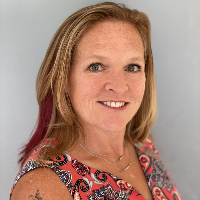
About Elisa
She completed a master's degree in Counseling Psychology and a PhD focusing on marriage and family therapy, plus a post-graduate program in Clinical Human Sexuality. Over nearly three decades she has worked in outpatient mental health, residential treatment, independent practice, forensic assessment and consulting, and in university teaching.
Her approach is collaborative and client-centered. She combines psychodynamic thinking with cognitive-behavioral strategies and draws on mindfulness and Gottman ideas when they fit. Sessions typically look at how a person’s relationships and social systems affect their difficulties.
She helps people notice patterns that once helped them cope but now cause problems. That might mean looking at how family history, attachment, or cultural expectations shape behavior and feelings. She also uses tools from positive psychology to build everyday habits that support resilience and wellbeing.
Work may include talking through painful events, learning new coping skills, improving communication, and addressing issues around intimacy or body image. The focus is practical: reduce distress, shift unhelpful patterns, and develop ways to manage future challenges more effectively.
To begin, people are asked to complete a short matching questionnaire and schedule a first session so goals and next steps can be discussed.
Areas of expertise
Primary focus
Also works with
Additional focus areas
Therapeutic approaches
Experience
28+ years
Credentials
Oregon
Languages
English
Therapeutic approaches and how they translate to online work
Elisa commonly draws on Client-Centered Therapy and Cognitive Behavioral Therapy (CBT). Client-Centered Therapy focuses on listening, building understanding, and helping people reflect on their own goals and values; it suits concerns around self worth, relationships, and decision making. CBT looks at unhelpful thinking and behavior patterns and teaches concrete skills to change them, which is useful for anxiety, depression, and coping strategies.She will work collaboratively to find which approach or mix fits each person. That means discussing your needs and goals in early sessions and adjusting methods as progress is made or priorities shift. The process is shared and practical rather than one-size-fits-all.
If you are considering online sessions, confirm the exact session formats available before booking. The main practical benefit is that therapy can fit into everyday life more easily - sessions can be scheduled around work, caregiving, or travel. Online work can allow shorter check-ins when needed, and sessions without video when bandwidth is limited. Talk with her during the matching process about how to best arrange sessions to match your routine and comfort.
Frequently asked questions
What concerns does she help with most often?
She works with stress, anxiety, depression, relationship and parenting issues, trauma, addictions, grief, and self esteem concerns among other areas.
What is her general therapeutic style?
Her style is collaborative and client-centered, using psychodynamic ideas alongside cognitive-behavioral and mindfulness strategies.
How much experience does she have?
She has 28 years of counseling experience across outpatient care, residential treatment, independent practice, forensic assessment, consulting, and university teaching.
What are her credentials and where is she based?
She is a Licensed Professional Counselor (LPC) licensed in Oregon.
Which languages are supported for sessions?
Sessions are offered in English.
Can people outside the United States work with her?
She does not accept international clients at this time.
How are session costs handled?
Cost varies with location; sessions use a subscription that can be canceled at any time.
How do I get started?
Select the See online therapy options button, complete a short matching questionnaire, and schedule a first session.