
Lanita Parrish
LMHCFlorida · 15 yrs exp
Licensed Mental Health Counselor - Self esteem and Anxiety
Stress, Anxiety · Anger · Self esteem · Coping with life changes · +1 more
Read profileTherapists and counselors in the United States
Need help now? 988Therapist listings come from BetterHelp. If you sign up through our links, we will earn a commission at no extra cost to you.
Explore profiles of clinicians who list Young Adult Issues and self-esteem as focus areas. Compare listed location, languages, credentials and approaches, then browse profiles to contact someone who may be a good fit for your needs.
Florida · 15 yrs exp
Licensed Mental Health Counselor - Self esteem and Anxiety
Stress, Anxiety · Anger · Self esteem · Coping with life changes · +1 more
Read profile
Mississippi · 10 yrs exp
LCSW - Stress and Self esteem
Stress, Anxiety · Relationship · Anger · Self esteem · +1 more
Read profile
Louisiana · 4 yrs exp
Licensed Professional Counselor - Anxiety and Self esteem
Stress, Anxiety · Anger · Self esteem · Depression · +1 more
Read profile
Texas · 17 yrs exp
Dr. Dora Whiteside - LPC, Stress and Self esteem
Stress, Anxiety · Addictions · Self esteem · Bipolar · +15 more
Read profile
New York · 8 yrs exp
Licensed Clinical Social Worker - Self esteem, Anxiety
Stress, Anxiety · Family · Self esteem · Depression · +1 more
Read profile
Mississippi · 8 yrs exp
Licensed Professional Counselor - Stress and Self esteem
Stress, Anxiety · Anger · Self esteem · Depression · +1 more
Read profile
Texas · 21 yrs exp
LCSW - Anxiety and self esteem
Stress, Anxiety · Relationship · Trauma and abuse · Intimacy-related issues · +15 more
Read profile
North Carolina · 3 yrs exp
Licensed Clinical Social Worker - Stress and Self esteem
Stress, Anxiety · Family · Anger · Self esteem · +1 more
Read profile
California · 6 yrs exp
Licensed Clinical Social Worker - Stress and Self esteem
Stress, Anxiety · Family · Anger · Self esteem · +4 more
Read profile
South Carolina · 20 yrs exp
Licensed Professional Counselor - Self esteem and Anxiety
Stress, Anxiety · Relationship · Trauma and abuse · Anger · +11 more
Read profile
Kansas · 3 yrs exp
Kansas LSCSW - Self esteem and anxiety
Stress, Anxiety · Family · Trauma and abuse · Self esteem · +1 more
Read profile
South Carolina · 9 yrs exp
Licensed professional counselor - Self esteem and trauma
Stress, Anxiety · Family · Trauma and abuse · Grief · +13 more
Read profile
Arizona · 32 yrs exp
LCSW - Stress and Self esteem
Stress, Anxiety · Relationship · Self esteem · Depression · +1 more
Read profile
Indiana · 12 yrs exp
LCSW therapist - Self esteem and Anxiety
Stress, Anxiety · Trauma and abuse · Self esteem · Bipolar · +10 more
Read profile
Kentucky · 24 yrs exp
Licensed Clinical Social Worker - Stress and Self esteem
Stress, Anxiety · Family · Trauma and abuse · Self esteem · +1 more
Read profile
California · 11 yrs exp
LMFT - Relationships and Self esteem
Relationship · Family · Intimacy-related issues · Parenting · +1 more
Read profile
Michigan · 10 yrs exp
LMSW - Trauma and relationship concerns
Stress, Anxiety · Relationship · Trauma and abuse · Self esteem · +1 more
Read profile
Georgia · 14 yrs exp
LPC counselor - Self esteem and family concerns
Family · Grief · Parenting · Self esteem · +12 more
Read profile
Texas · 19 yrs exp
Licensed Professional Counselor - Anxiety and Self esteem
Stress, Anxiety · Family · Trauma and abuse · Self esteem · +1 more
Read profile
Florida · 28 yrs exp
Licensed Clinical Social Worker - Self esteem and Relationships
Stress, Anxiety · Relationship · Family · Self esteem · +1 more
Read profile
New York · 7 yrs exp
Licensed Mental Health Counselor - Self esteem and Relationships
Stress, Anxiety · Relationship · Family · Trauma and abuse · +1 more
Read profile
Pennsylvania · 22 yrs exp
Licensed Professional Counselor - Self esteem and trauma
Stress, Anxiety · LGBT · Trauma and abuse · Depression · +13 more
Read profile
Alabama · 40 yrs exp
LMFT - Relationship and self esteem support
Stress, Anxiety · Addictions · Grief · Parenting · +6 more
Read profile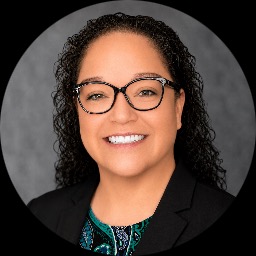
Texas · 6 yrs exp
LCSW - Self esteem and anxiety focus
Stress, Anxiety · LGBT · Family · Trauma and abuse · +1 more
Read profileWhen you are navigating young adult life - whether you are finishing school, starting work, building relationships or making long-term choices - questions about identity and self-worth often come up. You may notice patterns of self-criticism that run below the surface of daily life, or feel the pressure of constant comparison to peers, curated social media, or imagined expectations. Those patterns can sap confidence and make decisions about values, career and relationships feel heavier than they otherwise would. It helps to know that these reactions are common among people in this stage of life, and that talking about them can open new ways of seeing your strengths and priorities without blaming yourself for having a hard time.
Self-esteem itself is not a diagnosis. It describes how you evaluate your own worth and how that evaluation shows up in your choices and behavior. You might be working on clearer personal values, managing moments of shame, or learning how to act in ways that build reliable self-respect. Thinking about confidence as something that can be explored and practiced, rather than an all-or-nothing trait, lets you set realistic goals and identify supports that fit your preferences and culture.
This specialty page groups profiles of clinicians who list both self-esteem and Young Adult Issues among their areas of focus. That association does not imply a causal link between a directory concern and this specialty, nor does it guarantee a particular outcome. What it does offer is an organized way for you to see practitioners who have chosen to highlight these topics on their profiles.
Profiles are starting points. They often indicate the themes a clinician expects to address with clients, common approaches they use, and the populations they mention. If you are specifically seeking support for identity exploration, handling comparison-driven distress, or aligning actions with personal values, viewing profiles that list Young Adult Issues alongside self-esteem can help you identify clinicians who name those priorities. You should still expect to ask direct questions about their experience and how they work with people at your stage of life before deciding to reach out.
When you look through profiles, think of concrete questions that will clarify how a clinician works. You can ask whether they have experience supporting people in your age range and with issues similar to yours, and what kinds of goals they typically explore first. If a profile lists particular approaches, you can say something like - "I see you list cognitive behavioral therapy, acceptance and commitment work, or somatic methods. How do you typically use these approaches with someone dealing with self-criticism and comparison?" Asking in that language helps you understand whether the clinician tailors techniques to individual needs or follows a more structured path.
Distinguish academic degrees from permission to practice. A degree such as PhD, PsyD, MD, MA or MSW indicates graduate education, but it is not the same as a professional license or registration. Licenses you may see include designations like licensed professional counselor, clinical social worker, marriage and family therapist, or psychologist. You can and should ask whether the clinician holds a current license that allows them to provide mental health care in the listed location and whether they accept clients in your jurisdiction. Those are practical facts that clarify the match between their qualifications and your needs.
If you are considering remote sessions, discuss logistics and expectations up front. Ask how they handle time zone differences, what platform or communication method they prefer, and how they document care. In addition to practical arrangements, it's useful to ask how they approach situations that might require urgent help - for example, what their policy is for managing crisis concerns and who to contact locally if you need immediate assistance. These are safety and planning questions rather than measures of warmth or skill, and most clinicians will outline their procedures clearly when asked.
Whether you plan to meet in person or remotely, talk about cultural responsiveness and how personal values influence the work. You can ask how they incorporate a client’s identity, family background, and cultural context into discussions about self-esteem and life choices. If language access matters to you, look for profiles that list the language you prefer and follow up with a question about whether services are offered in that language or with an interpreter. Raising these topics early helps you find someone whose working style aligns with your communication needs and personal preferences.
Comparing profiles becomes easier when you use consistent criteria. First, read how each profile describes its focus areas. Does the clinician specifically mention self-esteem, self-criticism, identity work, or decision-making for young adults? Those mentions signal topics they expect to address, but they do not prove specialized certification or outcomes. Second, pay attention to listed languages and cultural competence statements if those aspects matter to you, because language and shared cultural awareness can affect comfort and nuance in therapy.
Next, look at credentials and how they are presented. Profiles may show academic degrees like MA, MSW, PhD or MD alongside professional license names. Remember that a degree is an educational credential while a license is the credential that permits independent clinical practice in a jurisdiction. Ask for the clinician’s license type and whether they are authorized to provide care in your location. Finally, consider style and process. Some profiles describe a collaborative, exploratory stance while others emphasize skill-building, structured exercises or narrative work. You might phrase comparison questions like - "How would you describe a typical session with someone who struggles with comparison and low confidence?" or "What kinds of commitments might you ask a young adult to try between sessions?" Those questions help you compare not only what clinicians know but how they work in practice.
When you are ready to reach out, use the profile contact details to introduce yourself succinctly and ask a few of the specific questions that matter most to you. Verifying licensure and permission to practice in your location is a practical step that helps ensure the clinician is authorized to work with you. Taking time to compare approach, experience, language and listed location helps you identify profiles that align with your priorities and gives you a better basis for deciding who to contact.
Alabama
66 therapists
Alaska
16 therapists
Arizona
60 therapists
Arkansas
34 therapists
California
488 therapists
Colorado
104 therapists
Connecticut
37 therapists
Delaware
12 therapists
District of Columbia
15 therapists
Florida
464 therapists
Georgia
145 therapists
Hawaii
15 therapists
Idaho
26 therapists
Illinois
143 therapists
Indiana
87 therapists
Iowa
18 therapists
Kansas
26 therapists
Kentucky
70 therapists
Louisiana
87 therapists
Maine
17 therapists
Maryland
80 therapists
Massachusetts
55 therapists
Michigan
159 therapists
Minnesota
69 therapists
Mississippi
53 therapists
Missouri
103 therapists
Montana
34 therapists
Nebraska
19 therapists
Nevada
28 therapists
New Hampshire
11 therapists
New Jersey
112 therapists
New Mexico
28 therapists
New York
259 therapists
North Carolina
150 therapists
North Dakota
7 therapists
Ohio
98 therapists
Oklahoma
62 therapists
Oregon
29 therapists
Pennsylvania
169 therapists
Rhode Island
8 therapists
South Carolina
93 therapists
South Dakota
11 therapists
Tennessee
59 therapists
Texas
549 therapists
Utah
30 therapists
Vermont
5 therapists
Virginia
105 therapists
Washington
60 therapists
West Virginia
12 therapists
Wisconsin
66 therapists
Wyoming
8 therapists