
Coralys Mercado
LPCConnecticut · 9 yrs exp
Licensed Professional Counselor - Self esteem and mood
Stress, Anxiety · Anger · Self esteem · Depression · +1 more
Read profileTherapists and counselors in the United States
Need help now? 988Therapist listings come from BetterHelp. If you sign up through our links, we will earn a commission at no extra cost to you.
This page groups profiles of clinicians who list self-esteem and coping with life changes so you can compare their focus areas, approaches, languages, and credentials. Browse the profiles to review each professional's listed location, specialty notes, and contact options.
Connecticut · 9 yrs exp
Licensed Professional Counselor - Self esteem and mood
Stress, Anxiety · Anger · Self esteem · Depression · +1 more
Read profile
Mississippi · 20 yrs exp
LPCC, LPC - Stress and Trauma
Stress, Anxiety · Trauma and abuse · Parenting · Self esteem · +7 more
Read profile
Missouri · 20 yrs exp
LCSW - Family and Trauma support
Family · Trauma and abuse · Grief · Coping with life changes · +7 more
Read profile
Oklahoma · 21 yrs exp
LMFT - Relationships and self esteem
Stress, Anxiety · Relationship · Family · Self esteem · +8 more
Read profile
Florida · 15 yrs exp
Licensed Mental Health Counselor - Self esteem and Anxiety
Stress, Anxiety · Anger · Self esteem · Coping with life changes · +1 more
Read profile
Illinois · 10 yrs exp
Licensed Clinical Social Worker - Stress and Self esteem
Stress, Anxiety · Grief · Self esteem · Depression · +1 more
Read profile
Illinois · 10 yrs exp
LCSW - Stress and self esteem support
Stress, Anxiety · Trauma and abuse · Grief · Self esteem · +11 more
Read profile
Louisiana · 4 yrs exp
Licensed Professional Counselor - Anxiety and Self esteem
Stress, Anxiety · Anger · Self esteem · Depression · +1 more
Read profile
Missouri · 13 yrs exp
Licensed LPC - Stress and Self esteem
Stress, Anxiety · Grief · Self esteem · Depression · +1 more
Read profile
Illinois · 4 yrs exp
LCPC in Illinois - Stress and Self esteem
Stress, Anxiety · Relationship · Self esteem · Coping with life changes · +7 more
Read profile
Texas · 17 yrs exp
Dr. Dora Whiteside - LPC, Stress and Self esteem
Stress, Anxiety · Addictions · Self esteem · Bipolar · +15 more
Read profile
Michigan · 10 yrs exp
Licensed Professional Counselor - Self esteem and Trauma
Stress, Anxiety · Family · Trauma and abuse · Grief · +12 more
Read profile
New Jersey · 15 yrs exp
Licensed Clinical Social Worker - Stress and Self esteem
Stress, Anxiety · Family · Trauma and abuse · Parenting · +10 more
Read profile
New York · 8 yrs exp
Licensed Clinical Social Worker - Self esteem, Anxiety
Stress, Anxiety · Family · Self esteem · Depression · +1 more
Read profile
Mississippi · 8 yrs exp
Licensed Professional Counselor - Stress and Self esteem
Stress, Anxiety · Anger · Self esteem · Depression · +1 more
Read profile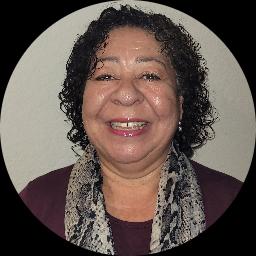
Texas · 21 yrs exp
LCSW - Anxiety and self esteem
Stress, Anxiety · Relationship · Trauma and abuse · Intimacy-related issues · +15 more
Read profile
New Jersey · 25 yrs exp
Licensed Clinical Social Worker - Relationships and Self esteem
Relationship · Trauma and abuse · Self esteem · Depression · +1 more
Read profile
Texas · 12 yrs exp
Licensed Professional Counselor - Relationships and Self esteem
Relationship · Trauma and abuse · Anger · Self esteem · +1 more
Read profile
Illinois · 20 yrs exp
LCSW - Relationships and self-esteem
Relationship · Grief · Self esteem · Depression · +1 more
Read profile
California · 6 yrs exp
Licensed Clinical Social Worker - Stress and Self esteem
Stress, Anxiety · Family · Anger · Self esteem · +4 more
Read profile
Florida · 20 yrs exp
LCSW - Stress and Self esteem
Stress, Anxiety · Trauma and abuse · Grief · Self esteem · +9 more
Read profile
Texas · 3 yrs exp
Licensed Professional Counselor - Self esteem and Relationships
Stress, Anxiety · Trauma and abuse · Anger · Self esteem · +7 more
Read profile
Illinois · 8 yrs exp
Licensed Clinical Social Worker - Stress and Self esteem
Stress, Anxiety · Grief · Self esteem · Depression · +1 more
Read profile
Wyoming · 10 yrs exp
Licensed Clinical Social Worker - Self esteem and Anxiety
Stress, Anxiety · Addictions · Grief · Eating · +9 more
Read profileWhen you are facing a major transition - a job change, a move, a relationship shift, a health concern, or a milestone you did not expect - your sense of self can feel unsteady. You may notice more self-criticism, increased comparison to others, uncertainty about personal values, or questions about identity and confidence. These are common experiences during change. You do not need a medical label to seek perspective; you can look for a clinician whose profile reflects work with self-esteem and life transitions and then decide whether their focus aligns with what you want to address.
As you reflect on your priorities, think in practical terms about what you want to feel or do differently. Do you want tools to manage negative self-talk, help clarifying what matters to you, support rebuilding confidence after a setback, or guidance on how to make decisions that align with your values? Naming specific concerns will help you compare profiles and approaches more easily, and it will make conversations with potential clinicians more direct and efficient.
Coping with life changes and self-esteem are often discussed together because transitions can highlight how you see yourself and what you believe you deserve. Yet it is important not to assume a single cause-and-effect relationship. A life change may influence your self-regard, and long-standing self-esteem challenges can shape how you experience change. The directory groups clinicians who list both topics so you can find professionals who note this intersection on their profiles, but a listed specialty is not proof of certification or a fixed approach.
When you read a profile, notice how clinicians describe the connection between transitions and self-esteem. Some may emphasize practical tools for managing stress and decision-making, while others may focus on exploring identity, values, and patterns of comparison. You can use those descriptions to determine whether you want more skills-based support or a process that examines beliefs about yourself. Either way, the choice depends on your goals and how you prefer to work through change.
It helps to go into conversations with concrete questions that reveal how a clinician works and whether that style fits you. You might ask, how do you typically help people who feel stuck by comparison and self-criticism? Can you describe the kinds of strategies you use to help someone clarify personal values during a transition? Would you say you focus more on skills and behavioral experiments or on exploring identity and meaning? If a profile mentions specific approaches, you can frame questions like, how do therapists who list EMDR among their approaches apply it in the context of life changes, or how might mindfulness-based strategies be integrated to address self-critical thinking?
You can also ask about experience with populations or issues similar to yours. For example, have you worked with people navigating career pivots, divorce, or the transition to parenthood? How do you consider cultural background, language, or family expectations when discussing self-esteem and values? These questions give you a clearer sense of whether the clinician’s focus areas and stated experience align with what you need.
Before you begin working with someone, clarify logistical and practical matters that affect the quality of your experience. Confirm the therapist's listed location and ask whether they have permission to provide care where you live, especially if you plan to meet across state or national lines. Verify professional licensing and whether the clinician's degree - such as PhD, PsyD, MD, MA, or MSW - is accompanied by a current license or registration that allows them to practice in your jurisdiction. A degree alone does not establish legal permission to provide care.
Discuss how sessions will be structured and what to expect in the early weeks. Talk about communication preferences, appointment scheduling, cancellation policies, and how they handle urgent concerns between sessions. If you plan to work remotely, ask what platform they use, how they protect your privacy, and what recommendations they have for creating a quiet, distraction-free environment on your end. Making these practical arrangements ahead of time will help you focus on the work you want to do.
When you compare profiles, read beyond the headlines and look for specifics that matter to you. Consider how a clinician describes their focus areas: do they name issues similar to yours, such as social comparison, confidence after loss, or clarifying values? Look for mention of approaches you want to discuss and then plan questions about how those approaches are applied in practice. If a profile lists languages, think about whether you prefer to speak in your native tongue or need a clinician familiar with the cultural context of your experience.
Pay attention to how credentials are presented. Distinguish academic degrees from professional licenses and registrations. You can ask a clinician which license they hold and in which geographical areas they are authorized to practice. Consider tone and style in written profiles as a clue to fit - do you respond better to direct, skills-focused language or to reflective, exploratory descriptions? Finally, think about practical fit with your schedule and communication preferences by comparing listed location details and contact notes on each profile. Use these observations to form a short list of profiles you want to contact and then follow up with the concrete questions discussed here so you can make an informed choice about who to talk with next.
Alabama
66 therapists
Alaska
16 therapists
Arizona
60 therapists
Arkansas
34 therapists
California
488 therapists
Colorado
104 therapists
Connecticut
37 therapists
Delaware
12 therapists
District of Columbia
15 therapists
Florida
464 therapists
Georgia
145 therapists
Hawaii
15 therapists
Idaho
26 therapists
Illinois
143 therapists
Indiana
87 therapists
Iowa
18 therapists
Kansas
26 therapists
Kentucky
70 therapists
Louisiana
87 therapists
Maine
17 therapists
Maryland
80 therapists
Massachusetts
55 therapists
Michigan
159 therapists
Minnesota
69 therapists
Mississippi
53 therapists
Missouri
103 therapists
Montana
34 therapists
Nebraska
19 therapists
Nevada
28 therapists
New Hampshire
11 therapists
New Jersey
112 therapists
New Mexico
28 therapists
New York
259 therapists
North Carolina
150 therapists
North Dakota
7 therapists
Ohio
98 therapists
Oklahoma
62 therapists
Oregon
29 therapists
Pennsylvania
169 therapists
Rhode Island
8 therapists
South Carolina
93 therapists
South Dakota
11 therapists
Tennessee
59 therapists
Texas
549 therapists
Utah
30 therapists
Vermont
5 therapists
Virginia
105 therapists
Washington
60 therapists
West Virginia
12 therapists
Wisconsin
66 therapists
Wyoming
8 therapists