
Dr. Dora Whiteside
LPCTexas · 17 yrs exp
Dr. Dora Whiteside - LPC, Stress and Self esteem
Stress, Anxiety · Addictions · Self esteem · Bipolar · +15 more
Read profileTherapists and counselors in the United States
Need help now? 988Therapist listings come from BetterHelp. If you sign up through our links, we will earn a commission at no extra cost to you.
This page groups profiles of therapists who list Midlife Crisis as a specialty alongside self-esteem concerns. Use the listings to compare listed location, focus areas, approaches, credentials, languages and client populations before you reach out.
Browse profiles to learn how each professional describes their focus and approach, then contact the practitioner to discuss whether they meet your needs.
Texas · 17 yrs exp
Dr. Dora Whiteside - LPC, Stress and Self esteem
Stress, Anxiety · Addictions · Self esteem · Bipolar · +15 more
Read profile
Oklahoma · 22 yrs exp
LPC in Oklahoma - Relationships and Self-esteem
Stress, Anxiety · Relationship · Trauma and abuse · Self esteem · +1 more
Read profile
New York · 8 yrs exp
Licensed Clinical Social Worker - Self esteem, Anxiety
Stress, Anxiety · Family · Self esteem · Depression · +1 more
Read profile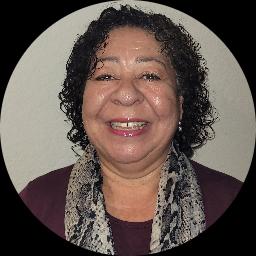
Texas · 21 yrs exp
LCSW - Anxiety and self esteem
Stress, Anxiety · Relationship · Trauma and abuse · Intimacy-related issues · +15 more
Read profile
New Jersey · 25 yrs exp
Licensed Clinical Social Worker - Relationships and Self esteem
Relationship · Trauma and abuse · Self esteem · Depression · +1 more
Read profile
South Carolina · 20 yrs exp
Licensed Professional Counselor - Self esteem and Anxiety
Stress, Anxiety · Relationship · Trauma and abuse · Anger · +11 more
Read profile
South Carolina · 9 yrs exp
Licensed professional counselor - Self esteem and trauma
Stress, Anxiety · Family · Trauma and abuse · Grief · +13 more
Read profile
Arizona · 32 yrs exp
LCSW - Stress and Self esteem
Stress, Anxiety · Relationship · Self esteem · Depression · +1 more
Read profile
Indiana · 12 yrs exp
LCSW therapist - Self esteem and Anxiety
Stress, Anxiety · Trauma and abuse · Self esteem · Bipolar · +10 more
Read profile
Kentucky · 24 yrs exp
Licensed Clinical Social Worker - Stress and Self esteem
Stress, Anxiety · Family · Trauma and abuse · Self esteem · +1 more
Read profile
Pennsylvania · 13 yrs exp
Licensed Professional Counselor - Relationships and Self esteem
Stress, Anxiety · Relationship · Family · Grief · +1 more
Read profile
Rhode Island · 5 yrs exp
Licensed counselor - Self esteem and Addictions
Stress, Anxiety · Addictions · Self esteem · Depression · +1 more
Read profile
Kentucky · 16 yrs exp
Licensed Psychological Practitioner - Mood and self esteem
Stress, Anxiety · Sleeping · Bipolar · Depression · +9 more
Read profile
Hawaii · 5 yrs exp
Licensed Clinical Social Worker - Stress and Self esteem
Stress, Anxiety · Grief · Self esteem · Depression · +2 more
Read profile
Texas · 19 yrs exp
Licensed Professional Counselor - Anxiety and Self esteem
Stress, Anxiety · Family · Trauma and abuse · Self esteem · +1 more
Read profile
Missouri · 14 yrs exp
Licensed Professional Counselor - Self esteem and Anxiety
Stress, Anxiety · Self esteem · Career · Depression · +13 more
Read profile
Pennsylvania · 22 yrs exp
Licensed Professional Counselor - Self esteem and trauma
Stress, Anxiety · LGBT · Trauma and abuse · Depression · +13 more
Read profile
North Carolina · 7 yrs exp
LCSW - Relationships and Self esteem
Stress, Anxiety · Relationship · Family · Parenting · +6 more
Read profile
Mississippi · 9 yrs exp
LPC in Mississippi - anxiety and self esteem
Stress, Anxiety · Relationship · Family · Self esteem · +1 more
Read profile
Ohio · 22 yrs exp
Ohio LPCC - Stress and Self esteem
Stress, Anxiety · Relationship · Parenting · Self esteem · +1 more
Read profile
Delaware · 6 yrs exp
LCSW - Stress and Self esteem
Stress, Anxiety · Addictions · LGBT · Trauma and abuse · +1 more
Read profile
Illinois · 27 yrs exp
LCSW - Self esteem and relationship concerns
Stress, Anxiety · LGBT · Parenting · Anger · +15 more
Read profile
Texas · 20 yrs exp
Licensed Professional Counselor - Relationships and Self esteem
Stress, Anxiety · Relationship · Trauma and abuse · Depression · +11 more
Read profile
Pennsylvania · 25 yrs exp
Licensed professional counselor - addictions and relationships
Addictions · Relationship · Family · Anger · +1 more
Read profileWhen you think about a midlife crisis you may picture dramatic life changes, but the experience can take many forms. For some people it involves a reevaluation of identity, relationships and personal values. For others the core struggle is a quiet erosion of confidence, heightened self-criticism or painful comparisons with peers and past expectations. Thinking about how these shifts affect your sense of self can help you decide what to look for in a therapist.
Self-esteem concerns are not a diagnosis. They are a focus area that therapists may list when they help people work through feelings of low self-worth, pervasive self-doubt or patterns of harsh self-judgment. If you notice recurring themes such as second-guessing choices about career or relationships, feeling out of step with your values, or struggling to feel competent in new roles, these are valid topics to bring to a professional conversation. Reading profiles can help you find practitioners who describe experience with these specific issues, so you can ask targeted questions about fit.
You do not have to assume that midlife shifts cause self-esteem problems, or vice versa. Often the two topics overlap. A change in role at work, caregiving responsibilities, or loss can prompt questions about purpose that then interact with longstanding habits of comparison and self-criticism. Conversely, people who struggle with persistent self-doubt may find midlife markers trigger more acute distress because expectations and life context have shifted. The link between midlife experiences and self-esteem is complex and individual.
When you read therapist profiles, notice how each profile frames midlife topics and self-esteem. Some therapists emphasize identity work and personal values, others highlight coping with regret, relationship realignment or transitions such as retirement or empty nesting. Therapists who list specific approaches among their toolbox - for example therapists who list cognitive behavioral ideas, mindfulness-oriented approaches, narrative work, or EMDR among their approaches - are offering different perspectives you can discuss. That listing is not proof of formal certification; it is a description you can use as a starting point for questions about how they might address your concerns.
As you consider profiles, prepare concrete questions that help you compare how each practitioner thinks about midlife issues and self-esteem. You might ask how they define the goal of therapy for someone navigating identity shifts, whether they focus on reducing self-criticism or on exploring values and long-term meaning, and how they help people handle persistent comparison with others. Ask for examples of the kinds of issues they commonly address and what their short-term and longer-term emphasis tends to be in those cases. These questions give you insight into whether their described style matches what you want.
Also ask about the populations they work with, because some therapists concentrate on people in certain life stages, cultural backgrounds or professional contexts. Clarify whether their profile lists work with specific client groups and what they mean by that. You can ask about their familiarity with concerns common in midlife - such as changing family roles, career pivots or health anxieties - and how they balance practical problem-solving with reflective identity work. If particular approaches matter to you, inquire whether they incorporate those ideas and how they typically use them in sessions, while remembering that a listed approach is a starting point for discussion.
If you are considering remote sessions, there are practical issues to cover before you begin. Ask about the technology they prefer and what you should expect around appointment logistics, rescheduling policies and how they handle missed sessions. Talk about how they manage privacy and recordkeeping in remote work, what type of communication you can use between sessions, and how they confirm their permission to work with clients located in your state or country. A therapist’s profile may note a listed location and the regions they serve, but you should verify that they have current permission to practice with someone in your location.
When you discuss online care, you can also bring up how they create a therapeutic setting that feels supportive over video or phone, especially when you are addressing sensitive material like shame, self-criticism or identity concerns. Ask how they help clients ground themselves when strong emotions arise, and what suggestions they have for establishing a comfortable environment on your end. These conversations help you evaluate whether the practical and interpersonal aspects of remote work will fit your needs.
Comparing profiles involves more than scanning a title. Look for how a therapist describes their clinical focus - whether they emphasize values exploration, behavioral strategies to manage self-critical thoughts, relational work, or other orientations. Pay attention to examples they use to illustrate their work. Language offerings are practical to note if you prefer to speak in a language other than English. A profile that lists additional languages can make a difference in how you express nuance about identity, family history, or cultural expectations.
Academic degrees and professional credentials appear differently in profiles. Degrees such as PhD, PsyD, MD, MA or MSW indicate academic background. Those credentials are not the same as licensure or registration. Licenses such as licensed professional counselor, licensed clinical social worker, marriage and family therapist, or psychologist license are the credentials that indicate permission to practice in a jurisdiction. A degree alone does not establish current permission to practice, so confirm licensure and the therapist’s permission to work with you in your location by asking directly. Profiles may list credentials or a listed location, but direct verification is the clearest route to confirm whether someone is authorized to provide care where you are.
Style matters as much as qualifications. Some therapists describe an interactive, coach-like stance while others emphasize reflective, exploratory conversation. Notice whether a profile highlights practical coping strategies, attention to values and meaning, or work on relational patterns and communication. If you are sensitive to self-criticism, you might prefer someone who notes an emphasis on self-compassion or gentle exploration rather than blunt challenge. If you are ready to focus on practical changes, a profile that emphasizes skills and behavioral experiments may resonate more with you. Use profiles to identify potential matches and then ask specific questions to confirm how they approach the themes that matter most to you.
Use the profiles on this page as a way to narrow your search by listed focus areas, approaches, credentials and languages. Reach out to practitioners whose profiles align with the kind of work you want. In your initial contact you can ask about the therapist’s experience with midlife transitions, how they approach self-criticism and comparison, and whether they have worked with clients who share your cultural or life-context concerns. Remember to confirm the individual therapist’s license and their permission to work with you in your location before beginning.
By preparing targeted questions and comparing how therapists describe their focus and style, you can make more informed choices about who to speak with. Profiles are a starting point to learn about the kinds of help that may fit your situation. From there, a brief conversation with the therapist can clarify whether their approach and experience align with your goals for exploring identity, personal values, and self-esteem during a midlife transition.
Alabama
66 therapists
Alaska
16 therapists
Arizona
60 therapists
Arkansas
34 therapists
California
488 therapists
Colorado
104 therapists
Connecticut
37 therapists
Delaware
12 therapists
District of Columbia
15 therapists
Florida
464 therapists
Georgia
145 therapists
Hawaii
15 therapists
Idaho
26 therapists
Illinois
143 therapists
Indiana
87 therapists
Iowa
18 therapists
Kansas
26 therapists
Kentucky
70 therapists
Louisiana
87 therapists
Maine
17 therapists
Maryland
80 therapists
Massachusetts
55 therapists
Michigan
159 therapists
Minnesota
69 therapists
Mississippi
53 therapists
Missouri
103 therapists
Montana
34 therapists
Nebraska
19 therapists
Nevada
28 therapists
New Hampshire
11 therapists
New Jersey
112 therapists
New Mexico
28 therapists
New York
259 therapists
North Carolina
150 therapists
North Dakota
7 therapists
Ohio
98 therapists
Oklahoma
62 therapists
Oregon
29 therapists
Pennsylvania
169 therapists
Rhode Island
8 therapists
South Carolina
93 therapists
South Dakota
11 therapists
Tennessee
59 therapists
Texas
549 therapists
Utah
30 therapists
Vermont
5 therapists
Virginia
105 therapists
Washington
60 therapists
West Virginia
12 therapists
Wisconsin
66 therapists
Wyoming
8 therapists