
Erica Cervantez
LPCColorado · 20 yrs exp
Licensed Professional Counselor - Trauma and Self esteem
Trauma and abuse · Parenting · Self esteem · Coaching · +1 more
Read profileTherapists and counselors in the United States
Need help now? 988Therapist listings come from BetterHelp. If you sign up through our links, we will earn a commission at no extra cost to you.
This page groups profiles for therapists who list self-esteem work in the Colorado listed location. Use the information here to compare specialties, therapeutic approaches, academic degrees, languages, and professional credentials.
Open individual profiles to confirm a clinician's license and to verify they are permitted to work with you where you live before reaching out.
Colorado · 20 yrs exp
Licensed Professional Counselor - Trauma and Self esteem
Trauma and abuse · Parenting · Self esteem · Coaching · +1 more
Read profile
Colorado · 6 yrs exp
Licensed Clinical Social Worker - Addictions and Trauma
Addictions · Relationship · Trauma and abuse · Parenting · +1 more
Read profile
Colorado · 7 yrs exp
LPC in Colorado - Stress and Self esteem
Stress, Anxiety · Self esteem · Depression · Coping with life changes
Read profile
Colorado · 8 yrs exp
Licensed counselor - Self esteem and anxiety
Stress, Anxiety · Trauma and abuse · Grief · Self esteem · +14 more
Read profile
Colorado · 3 yrs exp
Licensed counselor - self esteem and trauma
Stress, Anxiety · Relationship · Trauma and abuse · Self esteem · +1 more
Read profile
Colorado · 12 yrs exp
Licensed clinical social worker - Self esteem, Addictions
Stress, Anxiety · Addictions · Trauma and abuse · Self esteem · +1 more
Read profile
Colorado · 30 yrs exp
LCSW - Stress and self-esteem focus
Stress, Anxiety · Relationship · Grief · Self esteem · +1 more
Read profile
Colorado · 20 yrs exp
LPC in Colorado - Self esteem and Addictions
Stress, Anxiety · Addictions · LGBT · Self esteem · +7 more
Read profile
Colorado · 9 yrs exp
Licensed Professional Counselor - Self esteem, Anxiety
Stress, Anxiety · Addictions · Trauma and abuse · Self esteem · +1 more
Read profile
Colorado · 15 yrs exp
LPC and LCPC - Addictions and Self esteem
Addictions · Trauma and abuse · Self esteem · Coping with life changes
Read profile
Colorado · 5 yrs exp
Licensed Professional Counselor - Stress and Self esteem
Stress, Anxiety · Addictions · Trauma and abuse · Depression · +11 more
Read profile
Colorado · 20 yrs exp
Licensed Professional Counselor - Self esteem and Trauma
Stress, Anxiety · Relationship · Trauma and abuse · Self esteem · +1 more
Read profile
Colorado · 14 yrs exp
Licensed Professional Counselor - Stress and Self esteem
Stress, Anxiety · Relationship · Family · Parenting · +4 more
Read profile
Colorado · 13 yrs exp
Licensed Professional Counselor - Self esteem and Anxiety
Stress, Anxiety · Self esteem · Depression · Coping with life changes · +1 more
Read profile
Colorado · 30 yrs exp
Licensed Clinical Social Worker - Self esteem and Addictions
Stress, Anxiety · Addictions · Anger · Self esteem · +1 more
Read profile
Colorado · 9 yrs exp
LCSW counselor - relationships and self esteem
Stress, Anxiety · Relationship · Family · Self esteem · +1 more
Read profile
Colorado · 26 yrs exp
Licensed Professional Counselor - Stress and Self esteem
Stress, Anxiety · Family · Trauma and abuse · Grief · +1 more
Read profile
Colorado · 21 yrs exp
Licensed Professional Counselor - Self esteem and trauma
Stress, Anxiety · Trauma and abuse · Depression · Addictions · +7 more
Read profile
Colorado · 3 yrs exp
Licensed Professional Counselor - Self esteem and Trauma
LGBT · Trauma and abuse · Grief · Self esteem · +1 more
Read profile
Colorado · 20 yrs exp
LPC in Colorado - anxiety and self-esteem
Stress, Anxiety · Addictions · Self esteem · Depression · +1 more
Read profile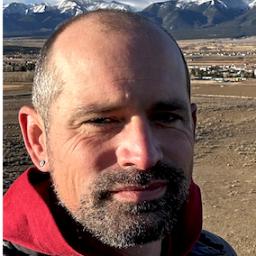
Colorado · 16 yrs exp
LPC in Colorado - Stress and Self esteem
Stress, Anxiety · Trauma and abuse · Grief · Parenting · +1 more
Read profile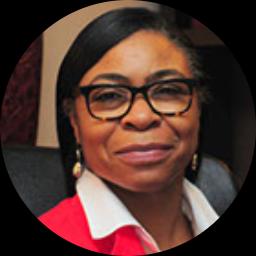
Colorado · 16 yrs exp
Licensed Professional Counselor - Anxiety and Self esteem
Stress, Anxiety · Relationship · Self esteem · Depression · +1 more
Read profile
Colorado · 14 yrs exp
LPC - Stress and Self esteem
Stress, Anxiety · Relationship · Family · Self esteem · +1 more
Read profile
Colorado · 4 yrs exp
LCSW - Stress and Addictions
Stress, Anxiety · Addictions · Self esteem · Depression · +1 more
Read profileWhen you are exploring help for self-esteem, you are often navigating a mix of self-criticism, comparison to others, uncertainty about identity, and questions about your personal values. These experiences can show up as harsh internal dialogue, avoidance of new challenges, or difficulty trusting your own judgments. You should expect profiles to describe clinicians' interests and the kinds of concerns they say they work with, but a listed interest in self-esteem does not mean a particular diagnosis or a guaranteed fit.
Look for language in profiles that resonates with the kinds of struggles you notice in yourself. Some profiles will emphasize work with persistent self-criticism and negative self-talk, while others describe focus on building clarity about values and identity or addressing comparison habits. Reading how a clinician frames their approach can help you decide who to contact to learn more. Remember that matching style and language can matter as much as credentials when it comes to feeling understood and engaged in therapy.
Profiles on this site are grouped under the Colorado listed location so you can find clinicians associated with that area. A listed location in a profile does not by itself prove an office address, ongoing practice there, or current permission to provide care to residents of Colorado. Always open an individual profile to review the details the clinician provides and follow up directly to confirm licensing and whether they are permitted to work with you where you live.
Degrees and professional licenses are different pieces of information. Academic degrees such as PhD, PsyD, MD, MA, and MSW indicate the educational credential a clinician has earned. A degree alone does not establish that a person currently holds a license or registration to practice in your state. Licenses or registrations are issued by state boards and are the permission you should verify. When you read a profile, note both the degree and any licensure statements and then ask the clinician to confirm their current standing with the relevant licensing board for Colorado or for the state where you reside.
When you contact someone whose profile interests you, prepare clear, concrete questions that help you compare approaches and experience. You might ask how the clinician describes their usual way of addressing persistent self-criticism and whether they have experience with issues like social comparison or shifting identity after major life changes. Ask which strategies or frameworks they commonly discuss in sessions without assuming that every clinician uses the same tools. For instance, you can say that you notice you often compare yourself to others and ask how they help people work with that pattern.
Also inquire about the types of life experience the clinician has worked with, such as transitions in career or relationships, or cultural factors that affect self-worth. Rather than relying on labels, ask for examples of how a clinician tailors their approach to different concerns. If you have specific preferences about session style - whether you want more directive feedback, reflective conversation, or skill-building exercises - mention that and ask how they typically structure conversations. These concrete questions give you a practical sense of whether their style might fit yours.
If you are considering remote sessions, there are practical items to discuss before beginning. Confirm that the clinician is permitted to provide services to you in your state and that they understand any regulatory requirements that apply. Ask how they handle differences in emergency planning when you are not in the same geographic area, and discuss what steps you should take in a crisis. It is reasonable to ask what technology they use, how they prefer to communicate about scheduling or cancellations, and what to expect if a technical issue interrupts a session.
Talk about boundaries and the environment you each expect for sessions. Some people prefer a quiet, uninterrupted room while others manage sessions from shared spaces and want to discuss how to protect their focus. Clarify consent, documentation, and how notes or treatment summaries are handled if that matters to you. These practical conversations are not an evaluation of your needs but a chance to set expectations so you can make an informed choice about whether to move forward.
Comparing profiles means looking across several dimensions and weighing what matters most to you. Focus areas tell you what issues clinicians highlight, such as self-criticism, identity transitions, or confidence in professional settings. Languages listed in a profile signal whether a clinician can communicate in a language you are comfortable using. When you review credentials, note both academic degrees and any licensure statements; ask for confirmation if a license is essential to you.
Style and therapeutic stance are often the hardest aspects to judge from text alone, but profiles frequently give clues in the way clinicians describe their work. Some emphasize practical strategies and measurable goals, while others foreground reflection and meaning-making. Consider drafting comparison questions that help you evaluate these differences, like asking how a clinician helps clients set goals related to self-esteem, how they measure progress, and how they involve your personal values in planning sessions. Bear in mind that a listed focus on self-esteem does not automatically mean a clinician treats children, couples, or families; you should discuss your specific needs and the clinician's scope of practice directly.
Ultimately, the purpose of this directory is to help you narrow choices and find profiles worth contacting. Use profile details to identify clinicians whose language and stated focus align with what you are looking for, then reach out with specific questions about licensure, permission to work where you live, clinical approach, and practical arrangements. A brief conversation can clarify whether a clinician’s background and style match what you need as you explore support for self-esteem concerns in Colorado.
Addictions
1341 therapists
ADHD
1037 therapists
Anger
1659 therapists
Bipolar
937 therapists
Control Issues
1074 therapists
Depression
3560 therapists
Grief
2029 therapists
Guilt and Shame
2155 therapists
Impulsivity
894 therapists
Intimacy Issues
846 therapists
Isolation / Loneliness
1909 therapists
Midlife Crisis
835 therapists
Mood Disorders
1480 therapists
Panic Disorder and Panic Attacks
1116 therapists
Post-Traumatic Stress
1675 therapists
Social Anxiety and Phobia
1776 therapists
Stress & Anxiety
4146 therapists
Trauma and Abuse
2536 therapists
Abandonment
1056 therapists
Attachment Issues
1231 therapists
Body Image
775 therapists
Caregiver Issues and Stress
1287 therapists
Codependency
908 therapists
Communication Problems
2080 therapists
Compassion Fatigue
962 therapists
Coping with Life Changes
2889 therapists
Divorce
1223 therapists
Family
1983 therapists
Family of Origin Issues
829 therapists
Forgiveness
1933 therapists
Life Purpose
2255 therapists
Parenting
1491 therapists
Relationship
2680 therapists
Self-Love
2500 therapists
Workplace Issues
1076 therapists