- Attachment-Based Therapy
- Client-Centered Therapy
- Existential Therapy
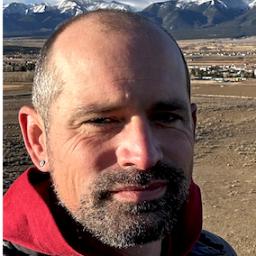
About William
He uses an open, person-focused style that keeps conversation practical. He helps people name painful feelings, learn how past experiences affect current choices, and practice different ways of responding to stress. Work often focuses on reducing guilt and shame while building more self-love and steadier self worth.
William draws on attachment-based ideas to look at how early relationships shape expectations in close connections. He also uses client-centered methods that place the person's perspective at the center of the work. Existential tools help bring clarity about values, meaning, and how to make clearer choices when life feels confusing.
In sessions he aims for clear, manageable steps rather than long abstractions. That can mean short experiments between meetings, direct reflection on recurring patterns, and simple skills to calm anxiety. He discusses what is realistic for each person's life and pace.
People who want help with post-traumatic stress, recovery from abuse, or repairing self-esteem often focus on both present coping and processing older hurts. William emphasizes steady progress over quick fixes and helps people set small, concrete goals they can build on.
Areas of expertise
Primary focus
Additional focus areas
Therapeutic approaches
Experience
16+ years
Credentials
Colorado
Languages
English
How William integrates therapeutic approaches online
Attached-based work looks at how early relationships shape expectations and patterns in current connections; online conversations can identify those patterns and test new ways of relating. Client-centered therapy focuses on the person's experience and priorities, with the therapist listening carefully and reflecting what matters most. Existential therapy brings direct conversation about values, purpose, and choice when people feel stuck or uncertain about next steps.Finding the right mix of these approaches is part of the process. William collaborates with each person to decide which ideas to emphasize, adjusting as goals and needs become clearer. That collaborative approach helps ensure sessions are relevant to everyday problems, not just theory.
The original biography does not list specific remote formats, so confirm available session options before booking. In general, online sessions can make it easier to fit therapy into daily life - shorter check-ins can work around a busy schedule, phone sessions need less bandwidth, and remote meetings remove travel time. Licensed professionals often use these practical benefits to help therapy feel more manageable while keeping focus on coping skills, processing difficult experiences, and building steadier self-esteem.
Frequently asked questions
What issues does he most often address?
He commonly helps people working through stress, anxiety, trauma and abuse, grief, parenting pressures, and self esteem concerns.
What is his therapeutic style like?
He uses a person-focused, practical approach that centers the client's perspective and emphasizes manageable steps and skills.
How long has he been practicing?
He has 16 years of experience in clinical and educational settings supporting emotional and behavioral concerns.
What are his credentials and where is he based?
He is a Licensed Professional Counselor (LPC) practicing in Colorado.
Does he offer sessions in other languages or to international clients?
Sessions are offered in English and international clients are not currently accepted.
Which session formats does he provide?
Session formats were not specified in the biography; please confirm current session options before booking.
How does payment work and what does it cost?
Cost varies with location and sessions use a subscription that can be canceled at any time.
What should I do to get started?
Select the See online therapy options button, complete a short matching questionnaire, and schedule a first session.