- Person-centered approach
- Trauma-informed care
- Evidence-based techniques
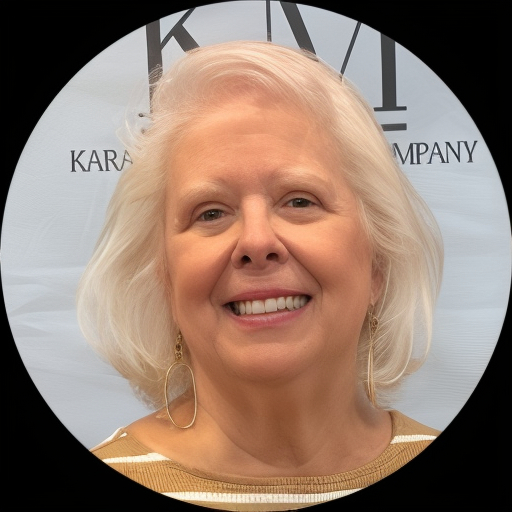
About Deborah
She has worked with people from a range of backgrounds, including those with Christian faith, LGBTQ+ individuals, older adults, and people who are non-religious. Deborah uses a person-centered and trauma-informed stance. That means she pays attention to past hurt and to how a person's current life affects their feelings and choices.
In sessions she focuses on building insight and coping skills. Conversations tend to be straightforward. She helps people name patterns, try new behaviors, and practice different ways of relating to others and to themselves.
Deborah addresses practical relationship concerns such as communication problems, commitment worries, and feelings of abandonment or isolation. She also supports people dealing with guilt, shame, control issues, impulsivity, and life transitions like divorce or midlife concerns.
She draws on evidence-based therapeutic techniques to guide work on attachment issues, forgiveness, and finding direction or life purpose. Her style is collaborative: she and the client decide together what to focus on and how to proceed as goals change over time.
Areas of expertise
Primary focus
Additional focus areas
Experience
22+ years
Credentials
Oklahoma
Languages
English
Approaches that guide online work and what to expect
Deborah uses person-centered work that focuses on the client's goals and perspective. This approach means sessions often begin with listening to what matters most, then setting small, practical steps to try between meetings. It is useful for issues like low self-esteem, life purpose questions, and relationship communication.She also brings a trauma-informed lens to her work, which pays attention to how past events affect present feelings and reactions. That perspective helps when addressing trauma, shame, abandonment concerns, or difficulty trusting others. Evidence-based techniques are used to help build coping skills and increase insight into patterns that keep causing distress.
Finding the right approach is part of the work. Deborah will talk with clients about goals, preferences, and what has or hasn't helped before. Together they decide which methods to try and adjust the plan as progress is made.
The original biography does not list specific online session formats, so confirm current options before booking. Many people find online sessions helpful because they can fit meetings into a busy day, reduce travel time, or choose a quieter setting that works for them. Therapists and licensed professionals generally tailor session length and pacing to match each person's practical needs and schedule.
Frequently asked questions
What concerns does she help with most often?
She commonly works with depression, anxiety, stress, relationship problems, trauma and self-esteem concerns.
How would you describe her therapeutic style?
Her style is person-centered and trauma-informed, focusing on collaboration and practical coping strategies.
How long has she been practicing?
She has 22 years of experience as a counselor.
What credential does she hold and where is she based?
She is an LPC (Licensed Professional Counselor) and practices in Oklahoma.
Does she offer sessions in other languages or to international clients?
Sessions are offered in English and she is not accepting international clients.
What session formats are available?
The original biography does not list specific session formats; confirm the current session options before booking.
How are fees handled?
Cost varies with location and sessions use a subscription that can be canceled at any time.
What should I do to get started?
Select the See online therapy options button, complete a short matching questionnaire, and schedule a first session.