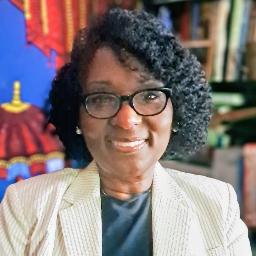
- Faith-informed approach
- Communication skills
- Mindfulness practices
About Cynthia
She uses faith-informed perspectives alongside practical skills. Sessions focus on clearer communication, building self-love practices, and learning mindfulness and mediation techniques. Cynthia also supports people during divorce, separation, and midlife changes.
Her style is straightforward and skills-focused. She talks through specific behaviors and patterns and offers realistic strategies to change them. That can include communication tools, emotion regulation steps, and ways to repair or set boundaries in relationships.
In sessions she addresses life purpose and forgiveness work when those come up. Therapy may include short exercises, reflection on personal values, and homework to practice new habits between meetings. The pace is set by the client's needs and goals.
Cynthia’s background combines clinical counseling with attention to spiritual perspectives when clients want that element included. She aims to help people increase self-awareness, reduce daily stress, and make clearer decisions about relationships and work. People looking for help with self esteem and related life transitions will find a pragmatic, experience-based approach.
Areas of expertise
Primary focus
Additional focus areas
Experience
13+ years
Credentials
Pennsylvania
Languages
English
Therapeutic approaches and how they work online
Cynthia uses evidence-based techniques that focus on present-day problems and practical change. One common approach involves communication skills training to help people speak clearly, set boundaries, and handle conflict. This helps with relationship strain, blended family dynamics, and workplace issues.She also uses mindfulness-based strategies that teach attention and breathing practices to reduce stress and manage anxious thinking. These tools are brief exercises clients can practice between sessions to notice triggers and respond differently.
Finding the right approach is a collaborative process. Cynthia will review your history, goals, and preferences and suggest techniques to try. Together you decide what fits and adjust methods over time based on what helps most.
Confirm the specific session formats before booking since the original biography does not list them. Online sessions can make it easier to fit therapy into a busy week, reduce travel time, and allow shorter check-ins when needed. If a client prefers less time on camera, therapists can often adapt sessions to suit quieter surroundings or lower-bandwidth connections. Ask about session length and the way meetings are scheduled when you fill out the matching questionnaire.
Frequently asked questions
What concerns does she handle most often?
She commonly works with stress, anxiety, relationship and family problems, grief, and self esteem issues. She also focuses on blended family issues, commitment concerns, workplace problems, and midlife transitions.
What is her therapy style like?
Her style is practical and skills-focused. Sessions include communication tools, mindfulness exercises, and steps to change unhelpful patterns.
How much clinical experience does she have?
She has 13 years of professional experience as a counselor. That experience includes helping clients through relationship changes and life transitions.
What credentials and location are listed?
She is an LPC which stands for Licensed Professional Counselor, and she practices in Pennsylvania.
Which languages are supported?
Sessions are offered in English.
Can international clients work with her?
She does not accept international clients at this time.
How are session costs handled?
Cost varies with location and sessions use a subscription that can be canceled at any time. Exact pricing information is provided during the onboarding process.
How do I begin working with her?
Click the See online therapy options button, complete a short matching questionnaire, and then schedule a first session.