
Jennifer Lindstrom
LCSW, CSWWyoming · 10 yrs exp
Licensed Clinical Social Worker - Self esteem and Anxiety
Stress, Anxiety · Addictions · Grief · Eating · +9 more
Read profileTherapists and counselors in the United States
Need help now? 988Therapist listings come from BetterHelp. If you sign up through our links, we will earn a commission at no extra cost to you.
Compare focus areas, therapeutic approaches, languages and professional credentials for counselors listed in Wyoming to find profiles that match your needs regarding self-esteem. Browse the profiles below and check each individual profile to confirm their permission to work with you in your location before reaching out.
Wyoming · 10 yrs exp
Licensed Clinical Social Worker - Self esteem and Anxiety
Stress, Anxiety · Addictions · Grief · Eating · +9 more
Read profile
Wyoming · 15 yrs exp
WY Psychologist - Self esteem and Anxiety
Stress, Anxiety · Relationship · Grief · Self esteem · +1 more
Read profile
Wyoming · 13 yrs exp
Licensed professional counselor - Self esteem and Anxiety
Stress, Anxiety · Addictions · Self esteem · Depression · +8 more
Read profile
Wyoming · 3 yrs exp
LCSW - Anxiety and Self esteem support
Stress, Anxiety · Depression · Coping with life changes · Family · +3 more
Read profile
Wyoming · 30 yrs exp
LCSW - Self esteem and family concerns
Stress, Anxiety · Relationship · Family · Trauma and abuse · +6 more
Read profile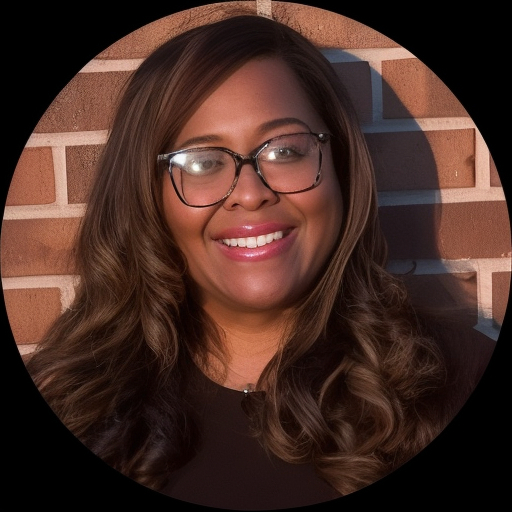
Wyoming · 4 yrs exp
LCSW - Stress and self esteem support
Stress, Anxiety · Relationship · Self esteem · Depression · +1 more
Read profile
Wyoming · 6 yrs exp
Licensed counselor - self esteem and trauma
Trauma and abuse · Anger · Depression · Stress, Anxiety · +3 more
Read profile
Wyoming · 7 yrs exp
Licensed Professional Counselor - Stress and Self esteem
Stress, Anxiety · Grief · Self esteem
Read profileWhen you are looking for help with self-esteem, you are often dealing with patterns that affect how you view yourself in daily life. You may notice persistent self-criticism that makes decision-making feel risky, or frequent comparison to others that undermines confidence. Questions about identity - who you are, what values matter most to you, and how you want to show up in relationships and work - are also central. These are concerns people bring to counselors to explore habits, feelings and choices that influence their sense of self.
Self-esteem is a descriptive way to name these struggles rather than a diagnosis. You will meet counselors who describe self-esteem as a focus among several areas they address. When you read profiles, look for language that resonates with your experience - whether that is wanting to reduce harsh self-judgment, build steadier self-trust, clarify values, or manage the emotional fallout of social comparison. Avoid expecting quick fixes or guarantees. Thoughtful work on self-esteem often involves examining thinking patterns, experimenting with new behaviors and clarifying what matters to you over time.
People come to this work from many starting points. Some want practical strategies to interrupt habitual self-criticism. Others are most interested in understanding the origins of low self-worth and improving relationships. You do not need to fit a single description to benefit from talking with a counselor; profiles are there to help you find potential fits so you can ask the relevant questions when you reach out.
The directory groups profiles under the listed location Wyoming to help you find counselors associated with that area. A listed location is a way the site organizes profiles and does not, by itself, prove an office address, licensure, or that a counselor is permitted to work with you in a particular jurisdiction. You should check each individual profile and confirm directly with the counselor whether they have permission to work where you live.
Credentials you see in profiles may include academic degrees such as PhD, PsyD, MD, MA or MSW. These degrees describe educational achievement and are not the same as a professional license or registration. Licenses are issued by state regulatory boards and have specific titles - for example licensed clinical social worker, licensed professional counselor or psychologist - and those are the credentials that indicate legal permission to practice in a given state. When a profile lists both a degree and a license, note that the degree explains training background while the license clarifies current permission to provide professional services.
Because regulations differ by state and circumstances change, you should verify license status and ask whether the counselor is authorized to work with you where you live, whether sessions will be in person or remote and whether any restrictions apply. This step helps you make informed comparisons between profiles and reduces surprises later in the conversation.
When you preview profiles, think in terms of direct questions you can ask to learn how a counselor works with issues similar to yours. Concrete questions might include - How do you typically approach someone who struggles with ongoing self-criticism? Do you focus more on exploring life history and relationships, or on teaching skills to change day-to-day thinking and behavior? Can you describe your experience working with people who face repeated comparison to others, or those who are trying to bring their personal values into career decisions?
Profiles often mention therapeutic approaches. You may find counselors who list cognitive-behavioral ideas, psychodynamic perspectives, acceptance-based approaches, narrative or humanistic work, or who list specific modalities among their approaches. Read those mentions as topics to discuss, not as guarantees of expertise. Ask how those approaches might be applied to your situation and what a typical session looks like. You can also enquire about the counselor's experience with particular populations, cultural backgrounds or life stages that match your needs. A listed topic does not establish that the therapist treats children, couples, or families. You should discuss your specific needs and the therapist's actual scope directly.
It is reasonable to ask counselors how they measure progress, how they handle difficult moments in therapy and what they consider the limits of their practice. These questions help you determine whether their style, pace and philosophy are a fit for what you want to accomplish.
If you are considering remote counseling or a combination of remote and in-person work, there are practical topics to cover before you begin. Talk with the counselor about the geographic areas they are permitted to serve and confirm that they can legally work with you in your jurisdiction. Clarify the methods of communication they use for sessions and how routine administrative matters - such as scheduling and payment - are handled. It is also appropriate to ask about how they protect your privacy and how information from sessions is stored or shared.
Because therapy can surface strong emotions, you should discuss a plan for what happens in a crisis or emergency. Ask how the counselor manages urgent situations when you are not together, whether they have local referral options, and what resources they recommend for immediate concerns. If language or cultural considerations matter to you, bring those up early so the counselor can explain how they address those factors in their work. Finally, discuss any expectations about communication between sessions, such as whether email or text is used and what response times you can expect, so you both have a shared understanding of boundaries and accessibility.
Comparing profiles effectively means moving beyond single labels and looking for patterns that align with your needs. Start by noting how a profile describes the counselor's focus areas. Does the profile describe work with self-criticism, social comparison, identity questions, or values exploration in ways that feel relevant to you? Next, consider the approaches the counselor lists. If you prefer skills-based work, look for profiles that mention evidence-informed strategies or practical interventions. If you want a more exploratory process, look for language that emphasizes narrative work, relational themes or meaning-making. Remember that these are starting points for conversation rather than definitive promises.
Language accessibility is another important consideration. If you communicate best in a language other than English, prioritize profiles that indicate fluency in that language and ask about how language influences the therapeutic process. When assessing credentials, note both degrees and licenses and ask clarifying questions if you need more information about what those credentials mean in practice. If a profile includes professional titles or abbreviations you do not recognize, request an explanation of the credential and whether it reflects current authorization to practice in Wyoming or another jurisdiction.
Style and interpersonal fit matter as much as formal credentials. Look for descriptions that convey whether a counselor tends to offer direct guidance, reflective listening, structured skill-building, or a blend of approaches. You can compare profiles by imagining how each described style would feel in a session and by preparing a few questions to test that impression in a brief conversation. Taking notes on what matters most to you - for example, a focus on values clarification, help managing comparison, or support around identity transitions - will help you weigh profiles against your priorities.
Ultimately, profiles are tools to help you start a conversation. Use them to narrow to a few possibilities, verify credentials and permission to work with you, and prepare specific questions about approach, experience and logistics. That preparatory step makes it easier to judge fit when you speak with a counselor directly and helps you move forward on the aspects of self-esteem that matter most to you.
Addictions
1341 therapists
ADHD
1037 therapists
Anger
1659 therapists
Bipolar
937 therapists
Control Issues
1074 therapists
Depression
3560 therapists
Grief
2029 therapists
Guilt and Shame
2155 therapists
Impulsivity
894 therapists
Intimacy Issues
846 therapists
Isolation / Loneliness
1909 therapists
Midlife Crisis
835 therapists
Mood Disorders
1480 therapists
Panic Disorder and Panic Attacks
1116 therapists
Post-Traumatic Stress
1675 therapists
Social Anxiety and Phobia
1776 therapists
Stress & Anxiety
4146 therapists
Trauma and Abuse
2536 therapists
Abandonment
1056 therapists
Attachment Issues
1231 therapists
Body Image
775 therapists
Caregiver Issues and Stress
1287 therapists
Codependency
908 therapists
Communication Problems
2080 therapists
Compassion Fatigue
962 therapists
Coping with Life Changes
2889 therapists
Divorce
1223 therapists
Family
1983 therapists
Family of Origin Issues
829 therapists
Forgiveness
1933 therapists
Life Purpose
2255 therapists
Parenting
1491 therapists
Relationship
2680 therapists
Self-Love
2500 therapists
Workplace Issues
1076 therapists