- ACT and CBT methods
- Mindfulness practice
- Trauma and grief work
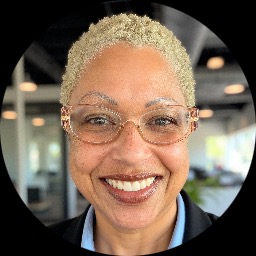
About Rowna
Rowna draws on approaches such as Acceptance and Commitment Therapy, Client-Centered Therapy, Cognitive Behavioral Therapy, Dialectical Behavior Therapy, and Mindfulness Therapy. Her practice emphasizes understanding how different parts of life affect each other - for example how chronic pain and anxiety can feed one another. She focuses on helping people learn about their patterns and on practical steps they can try to change daily routines that make life harder.
In session she aims to identify small, doable changes that fit a person’s life. That might include shifting thoughts, practicing new reactions, or learning skills to manage intense emotions. Sessions blend talking through problems with exercises people can use between meetings.
Her background includes work in child welfare, psychiatric research, crisis intervention, active duty military settings, inpatient and outpatient therapy, and hospice. Those settings shaped an ability to work with complex, overlapping problems and with people at different life stages.
Rowna offers telehealth services and supports people who prefer remote sessions. People interested in starting are asked to follow the online intake steps and schedule a first appointment to see if the approach fits their needs.
Areas of expertise
Primary focus
Also works with
Additional focus areas
Therapeutic approaches
Experience
19+ years
Credentials
Florida
Languages
English
How her approaches translate to online sessions
Acceptance and Commitment Therapy (ACT) helps people notice painful thoughts and feelings without being driven by them, then pick actions that reflect their values. It is useful for anxiety, low self-worth, and coping with life transitions. Cognitive Behavioral Therapy (CBT) looks at the links between thoughts, feelings and behavior, and teaches practical skills to change unhelpful patterns. It is commonly used for anxiety, depression, and self-esteem concerns. Mindfulness Therapy trains attention to the present moment, which can reduce reactivity and improve emotion regulation over time.Finding the right approach is part of the work. The therapist will discuss what feels most useful and adapt methods to the client’s needs and goals. That decision is collaborative and may shift as people learn what helps them most.
The biography notes telehealth services, so confirm the exact online session formats before booking. Online sessions can make it easier to fit meetings into a busy week, allow shorter check-ins when needed, and reduce travel time. They also let people practice skills in the settings where their problems actually occur, which can help apply new tools to everyday life.
Frequently asked questions
What concerns does she help with most often?
She works with stress, anxiety, depression, grief, relationship and family issues, self-esteem struggles, addictions, trauma and related life changes.
What style of therapy does she use?
Her approach mixes Acceptance and Commitment Therapy, Client-Centered work, CBT, DBT skills and Mindfulness. Sessions typically combine conversation with practical exercises.
How long has she practiced?
She has 19 years of experience working in settings such as child welfare, psychiatric research, crisis counseling, military environments, inpatient/outpatient therapy, and hospice.
What are her credentials and where is she based?
She is an LCSW - Licensed Clinical Social Worker - and practices in Florida.
Can I work with her if I live outside the United States?
Sessions are offered in English and she accepts international clients.
Which session formats does she offer?
The original biography highlights telehealth services; confirm current session format options before booking.
How are sessions paid for and what do they cost?
Cost varies with location and sessions use a subscription model that can be canceled at any time.
How do I begin working with her?
Select the See online therapy options button, complete the short matching questionnaire, and schedule a first session.