- Attachment-based work
- CBT techniques
- Client-centered approach
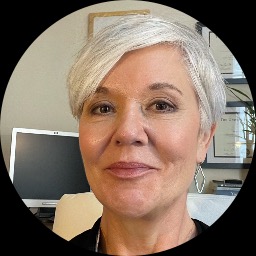
About Robin
Robin blends client-centered care with clear, action-focused techniques. That means she listens for how a person sees themself, and then helps set practical steps toward change. Sessions tend to focus on immediate coping skills as well as underlying patterns related to attachment and family of origin.
Her background includes work with trauma and loss, and with people processing big life changes such as divorce or caregiver stress. She also addresses problems like codependency, abandonment concerns, body image, and communication difficulties. These topics often appear alongside anxiety, depression, or struggles with self worth.
In session she uses approaches drawn from attachment-based work, cognitive behavioral techniques, dialectical behavior strategies, emotionally-focused methods, and client-centered principles. That mix supports both short-term skills and deeper relational shifts depending on the issue at hand.
Robin accepts clients from various locations and conducts work in English. She asks new people to complete a brief matching questionnaire and then schedule a first session so she can understand immediate needs and plan next steps.
Areas of expertise
Primary focus
Also works with
Additional focus areas
Therapeutic approaches
Experience
15+ years
Credentials
Louisiana
Languages
English
How therapeutic approaches translate to online work
Robin commonly draws on attachment-based therapy, client-centered therapy, and cognitive behavioral therapy. Attachment-based work looks at how early relationship patterns affect current trust and closeness, which can help with intimacy and abandonment concerns. Client-centered therapy focuses on understanding how a person describes their experience and responding to that perspective, useful for building a stronger sense of self. Cognitive behavioral therapy (CBT) identifies unhelpful thoughts and practices small behavioral changes to reduce anxiety and depressive symptoms.Deciding which approach to use is a collaborative process. The therapist will talk through goals, typical reactions, and what has or hasn’t helped before. From there she and the client will try methods that match current needs and preferences rather than assuming one fixed method.
The biography does not specify which remote formats are used, so confirm available session options before booking. Online work can make it easier to fit sessions into a busy life, allow shorter check-ins when needed, and reduce travel time. Many people find that having consistent, scheduled appointments helps them practice new skills between meetings and apply techniques to everyday situations.
Frequently asked questions
What concerns does she most often address?
She commonly helps people with stress, anxiety, depression, grief, trauma, and questions around self esteem and identity.
What is her therapeutic style?
Her style combines client-centered listening with action-oriented techniques, aiming to pair understanding with concrete steps.
How much clinical experience does she have?
She has 15 years of professional experience as a Licensed Professional Counselor.
Where is she licensed and based?
She is an LPC in Louisiana and practices from that state.
Which languages are supported?
Sessions are offered in English and international clients are accepted.
What session formats are available?
The original biography does not list specific session formats; please confirm current session options before booking.
How are fees handled?
Costs vary with location and sessions use a subscription that can be canceled at any time.
How do I begin working with her?
Select the See online therapy options button, complete a short matching questionnaire, and schedule a first session.