- Client-Centered Therapy
- Cognitive Behavioral Therapy
- Motivational Interviewing
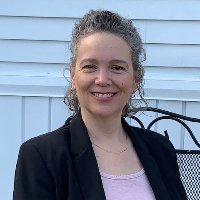
About Nicole
Nicole studied psychology through two master's degrees and a PhD, and she has held roles in inpatient psychiatric care, outpatient therapy, and social work for a foster family agency. She also teaches at college level and brings that classroom perspective into clinical work, explaining concepts plainly and helping people understand how therapy methods apply to their lives.
In sessions she draws mainly from client-centered therapy and cognitive behavioral therapy. That means she focuses on understanding a person's experience and on identifying patterns of negative self-talk that feed difficult feelings. She also uses motivational interviewing techniques to support change and elements of psychodynamic thinking to look at longer-standing patterns.
Nicole describes therapy as collaborative. She explains how thoughts, feelings, and events connect, then helps people notice unhelpful thinking and try different responses. She aims for straightforward conversations about goals, coping strategies, and small steps that fit daily life.
People who tend to be hard on themselves or who compare themselves to others may find the practical focus useful. Her background across hospital, agency, outpatient, and academic settings informs a direct, explanatory style that helps people see what comes next in therapy.
Areas of expertise
Primary focus
Also works with
Additional focus areas
Therapeutic approaches
Experience
11+ years
Credentials
New Jersey
Languages
English
How her approaches translate to online work
Client-centered therapy in her practice means focusing on the client's perspective, listening closely, and helping clarify goals and values. That approach is useful for issues like low self-esteem and relationship concerns where understanding experience comes first.Cognitive behavioral therapy (CBT) here involves identifying activating events, noticing negative self-talk, and testing small behavior or thinking changes to reduce distress. CBT is practical for anxiety, depression, sleep problems, and eating-related concerns. Motivational interviewing is used to explore readiness for change and strengthen personal reasons for taking steps forward; it can help with addictions and caregiving stress.
Figuring out which approach fits best is part of the work. She will collaborate with clients to choose methods that match their goals, preferences, and the problems they want to address. That choice may shift as therapy progresses and new priorities emerge.
Session logistics should be confirmed before booking since formats are not specified here. Online sessions can make it easier to fit therapy into a busy life, shorten check-ins when needed, or avoid travel. Ask about available session formats and timing when you complete the matching questionnaire so arrangements match your schedule.
Frequently asked questions
What does she help with most often?
She works with stress, anxiety, addictions, eating concerns, self esteem issues, depression, relationships, trauma and related concerns.
What therapeutic style does she use?
She mixes client-centered work with cognitive behavioral techniques, and also draws on motivational interviewing and psychodynamic ideas.
How long has she been practicing?
She has 11 years of professional experience as a Licensed Professional Counselor in clinical and academic roles.
Where is she licensed and based?
She is an LPC licensed in New Jersey and practices from that state.
Can people who speak other languages work with her?
Sessions are offered in English.
Does she take international clients?
She is not currently accepting international clients.
How are sessions priced?
Cost varies with location and sessions use a subscription that can be canceled at any time.
How do I begin a first session?
Choose the See online therapy options button, complete a short matching questionnaire, and schedule a first session.