- Mindfulness practice
- CBT techniques
- Solution-focused work
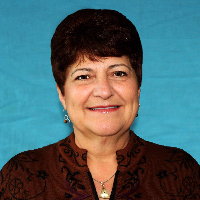
About Michelle
She draws on mindfulness practices and cognitive behavioral techniques to help people notice unhelpful thoughts and adjust day-to-day habits. Sessions often involve simple exercises and clear steps aimed at reducing anxiety, improving sleep, and managing mood. Motivational interviewing and solution-focused methods are used when people want to set goals and build momentum toward them.
Michelle also supports people coping with chronic pain, illness, or disability by offering strategies that address both physical strain and emotional impact. She works with issues like isolation, workplace stress, control problems, and midlife transitions in straightforward language and with concrete actions people can try between sessions.
When trauma is part of the picture, the focus is on pacing, safety, and techniques that reduce distress while preserving the client’s sense of choice. She uses therapeutic tools to address panic, phobias, post-traumatic stress symptoms, and seasonal mood changes without medical claims or promises.
Her practice puts an emphasis on clear communication, trust, and skills practice. People who want to improve self-esteem, strengthen boundaries, or make intentional life changes will find practical methods and collaborative planning in her work.
Areas of expertise
Primary focus
Also works with
Additional focus areas
Therapeutic approaches
Experience
11+ years
Credentials
Alaska
Languages
English
How Michelle’s approaches translate to online sessions
Michelle often uses client-centered work, cognitive behavioral therapy (CBT), and mindfulness in sessions. Client-centered therapy focuses on listening, responding to what matters most to the person, and supporting choices rather than directing them. CBT helps by identifying unhelpful thinking patterns and testing practical alternatives to reduce anxiety or low mood. Mindfulness therapy teaches attention and grounding practices that can lower stress and improve sleep and emotional regulation.Choosing the right approach is part of the process. She will work with the client to decide which methods fit best based on goals, needs, and preferences. That collaborative decision can shift over time as different problems come up or progress is made.
The original biography does not list specific online formats, so confirm current session options before booking. In general, online sessions can make it easier to fit therapy into a busy schedule, allow shorter check-ins when needed, and reduce travel time. These practical benefits help people maintain continuity of care while working on issues like self-esteem, trauma recovery, chronic pain coping, and stress management.
Frequently asked questions
What concerns does she help with most often?
She works with stress, anxiety, relationship and family issues, trauma, depression, addictions, sleep problems, parenting concerns, anger, and self esteem among other topics.
What kind of therapy style does she use?
She uses a person-centered approach combined with mindfulness, cognitive behavioral therapy, motivational interviewing, and solution-focused techniques to support practical change.
How long has she been practicing?
She has 11 years of experience working with adult individuals.
What are her credentials and where is she based?
She is an LCSW licensed in Alaska and provides services from that state.
Does she offer sessions in other languages or to international clients?
Sessions are offered in English and she is not currently accepting international clients.
What session formats are available?
The original profile does not specify session formats; please confirm current session options before booking.
How are sessions priced?
Cost varies with location and sessions use a subscription that can be canceled at any time.
How do I begin working with her?
Start by selecting the See online therapy options button, completing a short matching questionnaire, and scheduling a first session.