- Stress management
- Self-esteem support
- Trauma informed
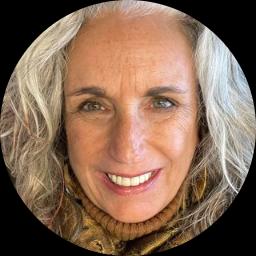
About Mary
Mary helps people notice patterns that keep them stuck and teaches simple, practical coping skills. Sessions focus on clear strategies for managing symptoms, improving day-to-day functioning, and strengthening how clients relate to others. She draws on long experience working in unstable international settings when those stresses are part of the problem.
In session she aims to be direct and collaborative. Conversations move between exploring what’s happening now and practicing small changes that can make a difference. Clients who are high-achieving or in caregiving roles often come for help with burnout and persistent stress.
Mary’s background includes working in areas affected by insecurity and humanitarian crises, which informs her work with trauma, chronic stress, and the long-term effects of unstable environments. That experience complements her work with issues like chronic pain, aging concerns, and illness-related distress.
She also supports people wrestling with identity, immigration concerns, and isolation. People who want a practical plan and clear skills to manage anxiety, self-esteem, or life transitions may find her approach helpful.
Areas of expertise
Primary focus
Additional focus areas
Experience
20+ years
Credentials
Massachusetts
Languages
English
Evidence-based approaches and online work
Mary uses evidence-based therapeutic techniques that emphasize practical skills and understanding patterns that maintain distress. One common approach focuses on teaching concrete coping skills for managing anxiety and stress, such as breathing exercises, activity planning, and step-by-step behavioral changes to reduce avoidance and overwhelm. Another approach centers on processing trauma and its effects using paced, structured methods to reduce symptoms and improve daily functioning; this helps when past events continue to shape mood and relationships.Finding the right approach is part of the work. She will talk with each person about symptoms, goals, and preferences, and then try methods that fit those needs. The therapist treats this as a collaborative process and adjusts techniques based on what is helping.
Session format options are not listed in the original biography, so confirm current session options before booking. In general, online sessions can make it easier to fit counseling into a busy week, allow shorter check-ins when needed, and remove the need to travel to appointments. Many people find remote work helpful for maintaining regular sessions alongside work, caregiving, or health commitments.
Frequently asked questions
What kinds of problems does she help with most often?
She commonly works with stress, anxiety, low self-esteem, depression, compassion fatigue, and life transitions. Additional focus areas include chronic illness, aging issues, isolation, and trauma-related concerns.
What is her therapeutic style like?
Her style is practical and collaborative with an emphasis on identifying patterns and building coping skills. Sessions mix conversation with concrete strategies clients can try between appointments.
How much experience does she have?
She has 20 years of clinical experience, including work in international and volatile settings that inform her approach to trauma and chronic stress.
What are her credentials and where is she based?
She holds an MA and is a Licensed Mental Health Counselor (LMHC) practicing in Massachusetts.
Which languages are supported for sessions?
Sessions are offered in English.
Can people from other countries work with her?
She does not accept international clients at this time.
How are sessions billed or paid for?
Cost varies with location; sessions use a subscription that can be canceled at any time.
What do I do to begin a first session?
Select the See online therapy options button, complete a short matching questionnaire, and schedule a first session.