- Stress and anxiety
- Trauma and grief
- Strengths focused
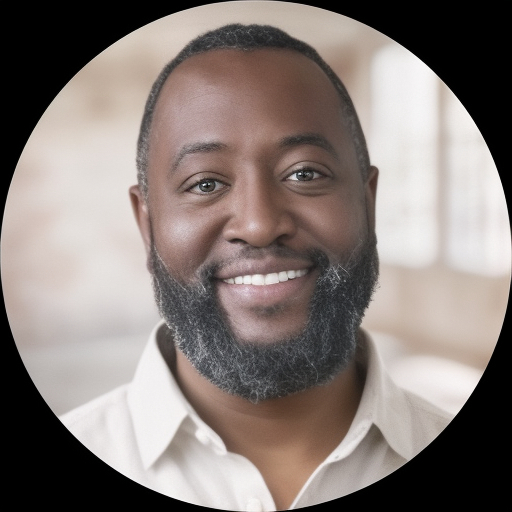
About Marcus
He draws on experience providing trauma-informed and group therapy in local community settings and on his background as a retired military veteran. Marcus centers work on people’s existing strengths and talents rather than starting from what’s wrong. He speaks plainly and avoids jargon to make sessions easy to follow.
In sessions he helps people notice and undo negative thought patterns that keep them stuck. Conversations often include concrete steps and small homework tasks that build toward realistic goals. Marcus describes his style as direct; clients can expect honest feedback and clear suggestions to try between meetings.
He uses everyday language and approachable interventions rather than technical terms. This can include short skill practice, straightforward problem-solving, and feedback aimed at making daily life feel more manageable. Marcus asks people to commit to effort and follow-through so change can take place.
People who doubt their worth or keep comparing themselves to others may find the focus on strengths helpful. The second part of the work is about steady action - small, repeatable steps that add up. Marcus encourages practical changes that fit into regular life and help rebuild confidence over time.
Areas of expertise
Primary focus
Additional focus areas
Experience
3+ years
Credentials
Texas
Languages
English
How evidence-based techniques are used in online sessions
Marcus works with evidence-based therapeutic techniques that focus on changing unhelpful thinking and building practical skills. One common approach helps people identify and challenge negative thoughts so they stop driving behavior that harms self-esteem. This method is useful for anxiety, low self-regard, and stress because it translates into concrete thought exercises and daily practices.Another approach concentrates on strengthening natural strengths and talents. Sessions use simple exercises and short actions that highlight what a person already does well, and then build routines that increase confidence. This style often suits people who prefer straightforward steps rather than long talks about feelings.
Finding the right approach is part of the work. Marcus will collaborate with each person to decide which techniques fit their needs, goals, and preferences, and will adjust plans as progress is observed.
The biography does not list specific session formats, so confirm current online offerings before booking. Online therapy can make it easier to fit sessions into a busy life, reduce travel time, and allow brief check-ins when a full in-person visit is impractical. Licensed professionals often use these options to maintain continuity of care while working around everyday commitments.
Frequently asked questions
What kinds of problems does he address most often?
He commonly helps with stress, anxiety, trauma and abuse, grief, low self esteem, and coping with life changes.
How would you describe his therapeutic style?
His style is direct and practical, using plain language, honest feedback, and actionable steps to address negative thought patterns.
What is his background and relevant experience?
Marcus has three years of community practice experience and has provided trauma-informed and group therapy; he is also a retired military veteran.
What credential does he hold and where is he located?
He is a Licensed Professional Counselor (LPC) in Texas and practices from that state.
Does he conduct sessions in other languages or accept international clients?
Sessions are offered in English and he does not accept international clients at this time.
What session formats are offered?
The original biography does not list specific session formats; confirm current online and in-person options before booking.
How are fees handled?
Cost varies with location and sessions use a subscription that can be canceled at any time.
What do I do to start working with him?
Select the See online therapy options button, complete a short matching questionnaire, and schedule a first session.