- CBT methods
- ACT practice
- DBT skills
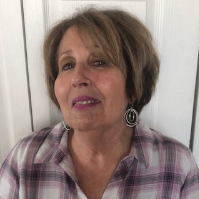
About Linda
Her first priority is practical help for daily life. Sessions focus on identifying strengths and skills clients already have. She uses straightforward exercises and conversation to tackle problems such as substance use, relapse prevention, anger management, and coping after loss.
Linda draws on several approaches to structure work in session. Cognitive Behavioral Therapy (CBT) is used to notice and change thinking patterns that make stress and anxiety worse. Acceptance and Commitment Therapy (ACT) helps people clarify values and take committed action despite difficult feelings. Dialectical Behavior Therapy (DBT) skills are offered for emotion regulation and improving communication when anger or impulsive behavior is present.
Her background includes both individual and group therapy for adults and adolescents. She has long experience with life management skills, career path development, and treatment that integrates attention to the body and mindfulness practices. That practical focus aims to improve self-awareness and day-to-day functioning.
Linda describes the therapeutic relationship as central. She emphasizes steady, nonjudgmental collaboration to set realistic goals and build routines that support better mood and higher self esteem.
Areas of expertise
Primary focus
Also works with
Additional focus areas
Therapeutic approaches
Experience
25+ years
Credentials
Arizona
Languages
English
How therapeutic approaches guide online work
Acceptance and Commitment Therapy (ACT) helps people name what matters to them and then take small, concrete steps toward those values while accepting difficult feelings. It can be useful for low self esteem, anxiety, and major life changes.Cognitive Behavioral Therapy (CBT) focuses on spotting unhelpful thoughts and testing them with real-life experiments. That method is often used for anxiety, depression, and changing patterns that keep people stuck.
Dialectical Behavior Therapy (DBT) offers practical skills for managing strong emotions, improving relationships, and reducing impulsive behavior. DBT skills can be helpful when anger, mood swings, or intense stress get in the way of daily functioning.
Finding the right approach is something the therapist and client figure out together. Linda will work collaboratively to match methods to the client’s goals, preferences, and what’s happening day to day. The plan can change as needs shift.
Confirm the session formats offered before booking so you know how appointments will be arranged. Online work can make it easier to fit sessions into a busy week, allow shorter check-ins when needed, and reduce travel time. These practical advantages help people maintain consistency and practice skills between meetings.
Frequently asked questions
What concerns does she help with most often?
She commonly addresses stress, anxiety, addictions, relationship and trauma issues, along with depression, grief, self esteem and career concerns.
What is her general approach in session?
Sessions focus on practical steps and skills. She uses conversation and exercises to build strengths and routines that help day-to-day life.
How long has she been practicing?
She has 25 years of experience providing individual and group therapy in Arizona.
What are her credentials and where does she practice?
She is an LPC - Licensed Professional Counselor practicing in Arizona.
Does she conduct sessions in other languages or for international clients?
Sessions are offered in English and she is not currently accepting international clients.
What session formats are available?
Please confirm current session options before booking so you know which formats are offered for appointments.
How does pricing work?
Cost varies with location and sessions use a subscription model that can be canceled at any time.
How do I start working with her?
Select the See online therapy options button, complete a short matching questionnaire, and schedule a first session.