- CBT methods
- ACT ideas
- Motivational interviewing
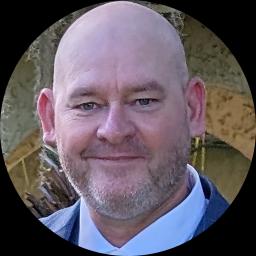
About John
He uses clear, action-oriented conversations rather than long theory lectures. Sessions often look at specific thoughts and behaviors that keep someone stuck. He helps people notice patterns, try small changes, and reflect on what matters to them. Motivational interviewing techniques are used to support readiness for change when substance use or avoidance is involved.
John mixes Cognitive Behavioral Therapy with Acceptance and Commitment Therapy ideas to help clients work with difficult feelings instead of fighting them. Solution-focused strategies are brought in to identify practical next steps and short-term goals. This combination aims to reduce overwhelming thinking and increase manageable choices in day-to-day life.
He has experience addressing family-of-origin issues, fatherhood concerns, and problems that come up during life transitions and workplace stress. He also works with people who identify as LGBT and with those coping with compassion fatigue and burnout. His approach is steady and direct, oriented toward clearer communication and safer boundaries.
Before a first session he asks people to consider what they want to change and which patterns feel most painful. He invites straightforward conversation about goals, setbacks, and small measures of progress so work stays practical and measurable.
Areas of expertise
Primary focus
Also works with
Additional focus areas
Therapeutic approaches
Experience
12+ years
Credentials
Georgia
Languages
English
How his approaches translate to online work
John often uses Cognitive Behavioral Therapy to help people identify unhelpful thoughts and test small behavior changes; this is useful for anxiety, depression, and self-esteem concerns. Acceptance and Commitment Therapy (ACT) is used to teach ways of noticing painful emotions without letting them drive actions, which can help with shame, guilt, and relationship patterns.He views choosing an approach as a collaborative step. The therapist will discuss goals, habits, and preferences, then try methods that fit the client's needs. If something does not feel useful, the plan is adjusted together rather than sticking with a single method.
Confirm the exact online session formats before booking, as the biography does not list them. In general, remote sessions can make it easier to fit therapy into work breaks, reduce travel time, and allow shorter check-ins when needed. Some approaches work well in single focused meetings for practical problems, while others are better when repeated over weeks to change long-standing patterns.
Frequently asked questions
What concerns does he most often address?
He commonly works with stress, anxiety, depression, relationship strain, addictions, trauma, grief, and self esteem issues.
What is his therapeutic style like?
Sessions are practical and conversational, focusing on thoughts, behaviors, and small changes that add up over time.
How much experience does he have?
He has 12 years of clinical experience working with a range of concerns including addiction and family dynamics.
What credential does he hold and where is he based?
He is an LPC - Licensed Professional Counselor based in Georgia.
Which languages are supported?
Sessions are offered in English and he accepts international clients.
What session formats are available?
Please confirm current session options before booking as formats are not specified in the biography.
How are fees handled?
Cost varies with location and sessions use a subscription that can be canceled at any time.
How do I start a first session?
Use the See online therapy options button, complete the short matching questionnaire, and schedule a first session.