- CBT tools
- Motivational interviewing
- Gottman skills
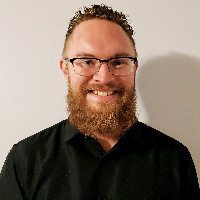
About James
Barrett uses straightforward conversation and active listening to help clients identify what feels stuck. He combines Client-Centered ideas with cognitive behavioral tools to notice unhelpful thoughts and test new behaviors. Motivational interviewing is used when clients are weighing change, and mindfulness practices are introduced when slowing down helps regulation.
He has experience supporting people facing substance use and families affected by addiction, and he also works with couples who are dating, engaged, married, or moving toward separation. Work often focuses on communication problems, commitment questions, trust and intimacy issues, and the effects of family-of-origin patterns on present relationships.
Sessions also cover everyday stresses like sleep trouble, career setbacks, anger, and parenting strains. Barrett draws on narrative approaches to help clients reframe painful stories and on the Gottman Method for practical relationship skills. Expect concrete goals, short-term tools, and follow-up suggestions to practice between sessions.
James trained in marriage, couples and family therapy at the University of Central Florida and holds additional experience in alcohol and drug counseling. He offers a direct, interactive style that helps people make clear, manageable steps when they feel overwhelmed.
Areas of expertise
Primary focus
Also works with
Additional focus areas
Therapeutic approaches
Experience
10+ years
Credentials
South Carolina
Languages
English
Online sessions using practical therapeutic approaches
James uses Client-Centered Therapy to listen without judgment and to help clients clarify their goals and values. That approach focuses on the person’s experience and supports informed choices about change.Cognitive Behavioral Therapy (CBT) is used to identify thoughts and behaviors that keep problems going. CBT offers short-term exercises to test new ways of thinking and acting, which can help with anxiety, depression, sleep problems, and self esteem concerns.
He also blends Motivational Interviewing when people are weighing change, especially around substance use or habit shifts. That approach focuses on what motivates someone and builds readiness for action in a collaborative way.
Finding the right mix of approaches is part of the work. The therapist will help decide which methods fit a person’s needs, goals, and preferences and will adjust the plan as progress is made.
Specific online session formats were not listed in the biography, so confirm available options before booking. Online work can make it easier to fit therapy into a busy life - shorter check-ins, sessions that avoid travel time, and appointments that can be scheduled around work or family obligations.
Frequently asked questions
What concerns does he commonly work with?
He works with stress, anxiety, depression, relationship difficulties, addiction, grief, parenting problems, and self esteem challenges.
What is his therapeutic style?
He uses a direct, interactive style that combines client-centered listening with practical tools and goal-focused work.
How much clinical experience does he have?
He has ten years of experience in counseling and additional experience in alcohol and drug work.
What are his credentials and where does he practice?
He is a Licensed Professional Counselor (LPC) practicing in South Carolina.
Which languages and international clients are supported?
Sessions are offered in English and he accepts international clients.
What session formats are offered?
Session format details were not specified; confirm current session options before booking.
How are sessions paid for?
Cost varies with location and sessions use a subscription that can be canceled at any time.
What should I do to begin?
Select the See online therapy options button, complete the short matching questionnaire, and schedule a first session.