- ACT methods
- CBT strategies
- Emotion-focused work
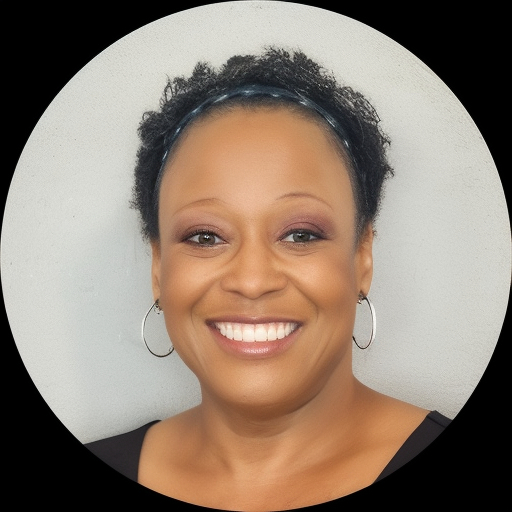
About Daphne
Daphne focuses on practical steps people can use day to day. She talks through worries about communication, control, and relationships. She helps people notice patterns tied to abandonment and attachment and build small changes that add up.
Her work draws on several clear methods, including Acceptance and Commitment Therapy, Cognitive Behavioral Therapy, and Emotionally-Focused Therapy. That means sessions may include looking at thoughts and behaviors, clarifying values, and practicing ways to connect better with others. Daphne keeps language straightforward and aims to make skills usable outside sessions.
She also addresses caregiver stress, impulsivity, money worries, midlife concerns, and panic symptoms. Daphne helps people sort through life purpose and forgiveness questions without jargon. Sessions are practical, with a focus on what a person can try between appointments.
Daphne practices with attention to cultural background and individual identity. She supports people who want clearer emotional understanding and more confidence in everyday interactions. To begin, readers should confirm current session options before booking.
Areas of expertise
Primary focus
Additional focus areas
Therapeutic approaches
Experience
5+ years
Credentials
Texas
Languages
English
How Daphne Uses Evidence-Based Approaches Online
Acceptance and Commitment Therapy (ACT) helps people clarify what matters to them and take small actions toward those values, useful for self-esteem and life changes. Cognitive Behavioral Therapy (CBT) focuses on identifying unhelpful thoughts and testing new behaviors to reduce anxiety and mood symptoms. Emotionally-Focused Therapy (EFT) concentrates on improving emotional awareness and connection, which can help with communication and attachment concerns.Finding the right approach is part of the work together. Daphne will discuss these options with clients and choose what fits a person's goals and preferences. The decision is collaborative and may shift as needs evolve.
Session formats are not detailed here, so confirm the current options before booking. Online therapy can make it easier to fit sessions into a busy life, requiring less travel and allowing meetings during breaks or from different locations. Some formats also let a session be shorter or use less bandwidth when needed. Licensed professionals can still guide skill practice, run behavioral experiments, and review progress effectively in remote sessions.
Frequently asked questions
What concerns does she address most often?
She commonly works with stress, anxiety, self-esteem issues, parenting strain, depression, and coping with life changes.
What is her therapeutic style?
She uses pragmatic, conversational sessions that focus on skills and insight drawn from approaches like ACT and CBT.
How much clinical experience does she have?
She has five years of experience as a Licensed Clinical Social Worker working with adults on emotional and interpersonal concerns.
Where is she licensed and practicing?
She is an LCSW licensed in Texas and practices with clients in that state.
Which languages are supported?
Sessions are offered in English.
Can international clients work with her?
She does not accept international clients at this time.
How are sessions priced?
Cost varies with location and sessions use a subscription model that can be canceled at any time.
How do I begin a first session?
Select the See online therapy options button, complete the short matching questionnaire, and schedule a first session.