- CBT techniques
- DBT skills
- Mindfulness work
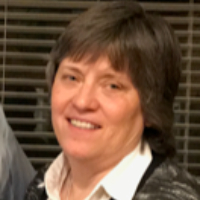
About Charlotte
Her approach is straightforward and interactive. Sessions focus on practical talk and problem solving, not on labels. Charlotte blends talking therapies and skills work so sessions tend to alternate between reflecting on patterns and practicing new ways of responding.
She uses elements of client-centered work to keep sessions person-focused. Cognitive Behavioral Therapy (CBT) techniques are applied to identify unhelpful thoughts and build different habits. She also draws on Dialectical Behavior Therapy (DBT) skills for emotion regulation and distress tolerance.
Charlotte includes mindfulness practices and some Jungian ideas about personal meaning when those fit a client's needs. She will discuss which methods are most helpful and adjust the mix over time. The emphasis is on clear, practical steps someone can try between sessions.
People who are hard on themselves or who compare themselves to others often find the work addresses self-worth and coping skills. Charlotte encourages honest talk about what feels stuck and about small steps that change daily life. She welcomes discussion of cultural and diversity issues as they relate to relationships and family patterns.
Areas of expertise
Primary focus
Also works with
Additional focus areas
Therapeutic approaches
Experience
20+ years
Credentials
Utah, California, Oregon
Languages
English
Approaches used in online sessions
Charlotte often uses Cognitive Behavioral Therapy and Dialectical Behavior Therapy in work with people online. CBT focuses on spotting and shifting unhelpful thoughts and behaviors, which helps with anxiety, low self esteem, and depression. DBT provides concrete skills for managing intense emotions and tolerating distress without making things worse.She also draws on client-centered principles that keep the conversation focused on each person's concerns and goals. Finding the right mix is a collaborative process - she will review progress and adjust methods based on the client's needs and preferences rather than sticking to a single technique.
The original biography does not specify which session formats are offered, so confirm current options before booking. Online sessions can make it easier to fit therapy into a busy day, reduce travel time, and allow shorter check-ins when a full session isn't possible. Therapists and licensed professionals commonly use these benefits to help people maintain consistent work on relationship issues, self-esteem, and coping skills while balancing other responsibilities.
Frequently asked questions
What concerns does she help with most often?
She works with relationship and family problems, trauma and abuse, parenting stress, self esteem, anxiety and depression among other issues.
What is her therapeutic style?
Her style is interactive and practical, combining reflective conversation with skills practice and clear strategies to try between sessions.
How much experience does she have?
She has 20 years of clinical experience working with a wide range of concerns including trauma, family issues, and mood disorders.
What are her credentials and where is she based?
She is an LCSW licensed in Utah and practices from that state.
Which languages are supported?
Sessions are offered in English and international clients are accepted.
What session formats are offered?
The original biography does not list specific session formats; confirm current session options before booking.
How is cost handled?
Cost varies with location and sessions use a subscription that can be canceled at any time.
How do I get started?
Select the See online therapy options button, complete the short matching questionnaire, and schedule a first session.