Therapists and counselors in the United States

Need help now? 988
SelfEsteemCounselors.org

Therapist listings come from BetterHelp. If you sign up through our links, we will earn a commission at no extra cost to you.

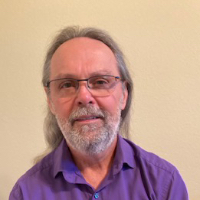
Robert Bronson

Therapist · Arkansas

Robert Bronson, LCSW

LCSW - Stress and self esteem support

  • 19 years in practice
  • Based in Arkansas
  • Sessions online
  • Cognitive Behavioral Therapy
  • Mindfulness methods
  • Acceptance and Commitment Therapy

About Robert

Robert Bronson is an LCSW - Licensed Clinical Social Worker practicing in Arkansas with 19 years of experience. He works with people facing stress, anxiety, trauma and abuse, depression, sleep problems, anger, addictions, relationship concerns, grief, parenting strain and self esteem issues. Sessions are conducted in English and he does not take international clients. Robert uses several practical approaches to help people manage distress and rebuild everyday functioning. He leans on cognitive behavioral techniques to identify and shift unhelpful thoughts and behaviors. Mindfulness methods are used to increase present-moment awareness and reduce reactivity. He also draws on Acceptance and Commitment Therapy to clarify values and support committed action. In sessions he focuses on concrete steps people can try between meetings. That may include brief behavioral experiments, tracking sleep and mood patterns, or practicing short mindfulness exercises. He encourages people to notice what works and adjust plans as needed rather than aiming for perfection overnight. Robert pays attention to how past experiences affect current patterns. With trauma and PTSD he uses strategies that help people recognize triggers and build coping skills. For relationship and family concerns he helps individuals communicate clearer boundaries and understand recurring interaction cycles. People who come for help with self esteem often start by naming harsh self-judgments and testing kinder alternatives. Over time he supports practical habit changes and repeated practice to shift how people respond to setbacks. He asks for straightforward feedback and adapts the approach to fit each person’s goals and life demands.

Areas of expertise

Primary focus

Stress, AnxietyTrauma and abuseSleeping disordersAnger managementDepression

Also works with

AddictionsLGBTRelationship issuesFamily conflictsGriefEating disordersParenting issuesSelf esteemBipolar disorderCoping with life changesCompassion fatigue

Additional focus areas

Aging and geriatric issuesAntisocial personalityControl issuesCoping with natural or human-caused disasterEating and food-related issuesFamily of origin issuesFirst responder issuesGuilt and shameHospice and end-of-life counselingJealousyLife purposeMen's issuesMidlife crisisVeteran and Armed Forces IssuesMood disordersMulticultural concernsPanic disorder and panic attacksPersonality disordersPhobiasPolyamory / non-monogamous relationshipsPost-traumatic stressPrejudice and discriminationSocial anxiety and phobiaYoung adult issues

Therapeutic approaches

Acceptance and Commitment Therapy (ACT)Client-Centered TherapyCognitive Behavioral Therapy (CBT)Emotionally-Focused Therapy (EFT)Mindfulness TherapyMotivational InterviewingNarrative TherapyPsychodynamic TherapySolution-Focused TherapyTrauma-Focused TherapyInternal Family Systems

Experience

19+ years

Credentials

Arkansas

Languages

English

How his approaches translate to online work

Acceptance and Commitment Therapy (ACT) helps people clarify what matters most to them and take small steps toward those values despite difficult thoughts or feelings. It often supports people working through low self-worth by focusing on committed actions rather than trying to eliminate uncomfortable feelings first. Cognitive Behavioral Therapy (CBT) examines the links between thoughts, feelings and actions. Online CBT sessions usually include short exercises, thought records and behavior experiments that people can practice between meetings to reduce anxiety, depression or self-critical thinking. Mindfulness Therapy teaches simple attention practices to reduce reactivity and improve focus. These practices can be brief and practiced daily, which helps when sleep or stress are a problem. Finding the best approach is part of the process. Robert works collaboratively to decide which methods fit a person’s goals and life demands, and adapts techniques based on what helps in real life rather than sticking rigidly to one model. The original biography did not list which remote formats are used, so confirm current session options before booking. Online sessions can make it easier to fit therapy into a busy schedule, allow shorter check-ins when needed, and let people use audio-only options if video is difficult. Licensed professionals can guide how to use exercises, homework and brief practices in between sessions so therapeutic work connects to everyday routines.

Frequently asked questions

What concerns does he help with most often?

He works with stress, anxiety, trauma and abuse, depression, sleep problems, anger, addictions, relationship issues, grief, parenting strain and self esteem concerns among others.

What is his general therapy style?

He uses practical approaches such as cognitive behavioral techniques, mindfulness, and ACT, focusing on concrete steps and skills people can try between sessions.

How long has he been practicing clinically?

He has 19 years of clinical experience as a Licensed Clinical Social Worker.

What are his credentials and where is he based?

He is an AR LCSW, a Licensed Clinical Social Worker practicing in Arkansas.

Does he offer sessions in other languages or to international clients?

Sessions are offered in English and he is not accepting international clients.

Which session formats are available?

The original biography does not specify session formats; please confirm the current session options before booking.

How is cost handled?

Costs vary with location and sessions use a subscription that can be canceled at any time.

What should I do to get started?

Select the See online therapy options button, complete a short matching questionnaire, and schedule a first session.

If you need help now

This directory is not a crisis line or an emergency service. If you are thinking about suicide or you are not safe, please reach out now.

Robert Bronson

See online therapy options