- CBT methods
- Solution-focused work
- Motivational interviewing
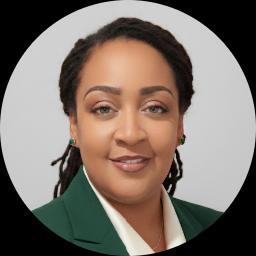
About Renatta
Dr. Lindsey uses a straightforward, collaborative style. Sessions focus on practical skills and clear goals. She helps people notice patterns, try small changes, and build day-to-day coping strategies that fit their lives.
Her work often blends Cognitive Behavioral Therapy and Solution-Focused techniques to break down problems into manageable steps. Motivational Interviewing is used when someone wants support finding their own reasons to change. She also draws on Client-Centered and Existential ideas to help people reflect on values and meaning when that is relevant.
In a typical session she will listen, ask clarifying questions, and suggest exercises or experiments to try between meetings. Homework is simple and aimed at real situations, like handling workplace stress or addressing self-critical thoughts. Progress is reviewed regularly to adjust the plan.
People who feel stuck by self-doubt, guilt, isolation, or uncertainty about life purpose may find these practical methods useful. She also supports people coping with chronic illness, family conflict, financial stress, and issues common to young adults and women. Language of sessions is English and practice is based in Texas.
Before a first session she asks people to describe their main concern and what they hope to change. The initial focus is on clear steps forward rather than lengthy interpretation.
Areas of expertise
Primary focus
Also works with
Additional focus areas
Therapeutic approaches
Experience
3+ years
Credentials
Texas
Languages
English
Therapeutic approaches and how they work online
Client-Centered Therapy focuses on listening and reflecting so a person can find their own solutions; it helps when someone wants to explore values or feel heard. Cognitive Behavioral Therapy (CBT) breaks down thoughts and behaviors into steps and practical exercises, which is useful for anxiety, self-critical thinking, and mood concerns. Solution-Focused Therapy zeroes in on small, achievable changes and next steps to move toward a goal.Finding the best approach is part of the work. The therapist will collaborate with the client to decide which methods fit their goals and preferences, and will adjust the plan as progress is reviewed. That means trying a method, checking how it feels, and changing course if needed.
Session logistics should be confirmed before booking since formats are not specified here. Online work can make it easier to fit therapy into a busy schedule, allow shorter check-ins when time is limited, and remove travel time for appointments. These practical benefits help people try tools in the context of their everyday life and keep momentum between sessions.
Frequently asked questions
What does she help with most often?
She works with stress, anxiety, relationship strain, low self esteem, depression, bipolar concerns, and coping with life changes.
What is her therapeutic style?
Her style is collaborative and practical, focusing on skills, experiments, and clear goals to address everyday problems.
How much experience does she have?
She has three years of clinical experience as a Licensed Professional Counselor.
What credentials and location apply?
She is an LPC practicing in Texas.
Which languages are supported?
Sessions are offered in English and international clients are not currently accepted.
What session formats are available?
Session formats are not specified here; please confirm current session options before booking.
How does cost work?
Cost varies with location and sessions use a subscription that can be canceled at any time.
How do I get started?
Select the See online therapy options button, complete a short matching questionnaire, and schedule a first session.