- Stress management
- Trauma care
- Relationship skills
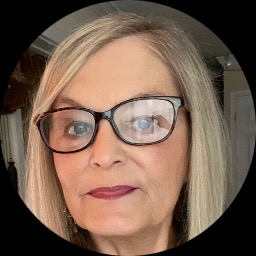
About Pam
Pam listens for the practical patterns that make problems repeat. She talks through coping skills for overwhelming moments and helps people build more reliable ways to handle stress and mood changes. Sessions focus on clear steps rather than abstract theory, so people leave with things to try between meetings.
Trauma and post-traumatic stress work are a consistent part of her practice. That work often includes slowing down symptoms, naming what happened, and practicing methods that reduce reactivity. For relationship and communication problems she emphasizes concrete habits people can adopt to change interactions and rebuild trust where it has eroded.
Pam also offers support around chronic life stressors such as caregiving strain, illness, aging, and major transitions like divorce or midlife shifts. She pays attention to how repeated losses or abandonment shape how someone expects to be treated and helps them test new approaches over time.
Her approach draws on evidence-based therapeutic techniques and decades of clinical experience. People who prefer clear guidance, steady pacing, and practical tools may find this approach fits their needs. Sessions are conducted in English and follow the therapist's Florida practice standards.
Areas of expertise
Primary focus
Additional focus areas
Experience
27+ years
Credentials
Florida
Languages
English
How evidence-based methods are used in online work
Pam draws on evidence-based therapeutic techniques to address symptoms and daily difficulties. One common approach focuses on teaching practical coping skills and emotion regulation strategies that reduce anxiety and lift mood; these are short exercises and habits people can practice between sessions. Another approach concentrates on trauma-related work, helping people lower their reactivity, name distressing memories, and build step-by-step tolerance for difficult feelings.Finding the right approach is part of the work together. Pam will review a person's concerns, goals, and preferences and suggest which techniques to try first. She treats the choice as collaborative and adjusts methods based on what helps in real life rather than sticking rigidly to a single model.
Confirm the current session options before booking so you know how meetings are held. The practical benefits of remote sessions often include fitting therapy into a busy day, shorter check-ins when needed, and less travel time. Remote sessions can also make it easier to keep appointments around work or caregiving responsibilities and to practice new skills in day-to-day environments.
Frequently asked questions
What concerns does she usually help with?
She commonly addresses stress, anxiety, depression, relationship problems, trauma and abuse, and self esteem issues.
What is her therapeutic style like?
Her style is practical and direct, focusing on clear coping skills and steps people can use between sessions.
How much experience does she have?
She has 27 years of professional therapeutic experience working in clinical settings.
What credential does she hold and where does she practice?
She is a Licensed Clinical Social Worker (LCSW) in the state of Florida.
Which languages are sessions offered in?
Sessions are offered in English.
Can international clients work with her?
She is not accepting international clients at this time.
How are sessions priced?
Cost varies by location and sessions use a subscription model that can be canceled at any time.
What do I do to begin working with her?
Select the See online therapy options button, complete the short matching questionnaire, and schedule a first session.