- Client-centered therapy
- Cognitive behavioral therapy
- Motivational interviewing
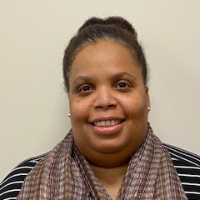
About Michelle
She previously worked for many years in social services and in addiction counseling roles that included clinical leadership. That background informs how she organizes sessions and prioritizes clear, practical steps. She draws on hands-on experience with domestic violence, drug and alcohol addiction, and trauma related problems.
Her main methods include client-centered therapy, cognitive behavioral therapy (CBT), motivational interviewing, solution-focused therapy, and trauma-focused therapy. In practice this means she listens to a person's goals, looks for concrete patterns in thinking and behavior, and suggests approaches people can try between sessions.
In sessions she helps people talk through overwhelming emotions, manage panic or mood symptoms, and work on relationship and parenting difficulties. She also addresses guilt, shame, isolation, and struggles around life purpose and workplace stress. People who worry about their self worth or compare themselves with others may find the work aims to build steadier self regard over time.
Her style emphasizes practical problem solving and collaborative goal setting. To begin, prospective clients complete a short matching questionnaire and then schedule a first session to discuss concerns and next steps.
Areas of expertise
Primary focus
Also works with
Additional focus areas
Therapeutic approaches
Experience
13+ years
Credentials
Illinois
Languages
English
How her approaches translate to online work
Client-centered therapy focuses on listening and reflecting what matters most to the person, helping them clarify goals and make choices that fit their life. Cognitive behavioral therapy (CBT) looks at patterns of thought and behavior and gives practical exercises to change unhelpful cycles; it is often used for anxiety, mood issues, and self esteem work. Motivational interviewing helps people find and strengthen their own reasons to change, which can be useful for addiction, lifestyle shifts, or building self-directed goals.Finding the right approach is part of the work together. She will collaborate with each person to figure out which methods match their needs, goals, and preferences, and adjust strategies as those needs evolve.
Session formats are not listed in the biography, so confirm current options before booking. Online work can make it easier to fit therapy into a busy day, allow shorter check-ins when needed, and remove travel time so sessions can happen during a break or between obligations. These practical benefits often help people sustain steady progress while balancing everyday responsibilities.
Frequently asked questions
What concerns does she address most often?
She commonly works with stress, anxiety, addiction, relationship and parenting issues, depression, trauma, grief, and self esteem challenges.
How would you describe her therapeutic style?
Her approach is practical and solution-focused, using client-centered listening alongside CBT and motivational interviewing techniques.
How much clinical experience does she have?
She has 13 years of clinical experience and prior roles in social services and addiction counseling with clinical leadership responsibilities.
What credential does she hold and where is she based?
She is an LCPC, a counselor licensed in Illinois, and practices from that state.
Which languages are supported for sessions?
Sessions are offered in English.
Can people from other countries work with her?
Yes, she accepts international clients.
How are sessions paid for and what does it cost?
Cost varies with location; sessions use a subscription model that can be canceled at any time.
How do I start a first session?
Select the See online therapy options button, complete a short matching questionnaire, and schedule your first session.