- CBT methods
- DBT skills
- Mindfulness
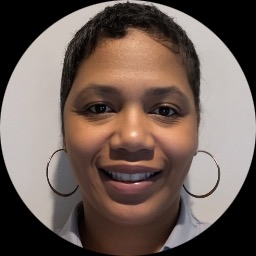
About Michelle
She uses straightforward talk therapy and practical tools in sessions. That can include skills from Cognitive Behavioral Therapy to notice and change unhelpful thoughts, Dialectical Behavior Therapy skills for managing strong emotions, and client-centered listening to help people name what matters to them. Mindfulness practices and motivational interviewing also appear in her work when they fit a person’s goals.
Michelle emphasizes building coping skills, improving problem solving, and addressing patterns that keep people stuck. She helps people work through grief, relationship and family-of-origin issues, codependency, and feelings like guilt, shame, isolation, or jealousy. She also offers support around parenting stress, aging concerns, and life-purpose questions.
Sessions aim to produce clear, usable steps you can try between meetings. Michelle describes practical strategies for emotion regulation, communication, and relapse prevention for addictive patterns. Her approach is direct and steady rather than clinical jargon, with focus on small, manageable changes.
Therapy is offered in English and is provided within Texas. Cost varies by location and uses a subscription that can be canceled at any time. To begin, clients complete a short matching questionnaire and schedule a first session.
Areas of expertise
Primary focus
Also works with
Additional focus areas
Therapeutic approaches
Experience
16+ years
Credentials
Oklahoma, Texas
Languages
English
How her approaches translate to online sessions
Michelle commonly integrates Cognitive Behavioral Therapy, Dialectical Behavior Therapy skills, and client-centered listening into her work. CBT focuses on identifying and changing unhelpful thoughts and behaviors, which helps with anxiety, low self-esteem, and depression. DBT skills teach concrete emotion-regulation and distress-tolerance strategies for strong emotions and impulsive behaviors. Client-centered methods prioritize listening and clarifying a person’s goals so sessions stay relevant to what matters most to them.Choosing the right approach is part of the process. Michelle will collaborate with each person to decide which methods fit their goals, needs, and preferences. That may mean trying a few techniques, tracking what helps, and adjusting the plan over time in straightforward conversations.
The practical benefits of online therapy include fitting sessions into a busy schedule and keeping momentum between meetings. Because the biography does not list specific session formats, confirm the exact session options before booking. Many people find remote work useful for shorter check-ins, easier scheduling around work or caregiving, and continuing care when travel would be difficult. Licensed professionals can adapt CBT and DBT exercises to virtual settings so skills practice and homework remain central to progress.
Frequently asked questions
What concerns does she address most often?
She works with stress, anxiety, depression, self esteem, trauma and abuse, addictions, grief, and related mood concerns.
What style of therapy does she use?
Her style is practical and task-focused, drawing on client-centered listening plus CBT, DBT, mindfulness, and motivational interviewing techniques.
How much experience does she have?
Michelle has 16 years of experience in the behavioral health field.
What are her credentials and where does she practice?
She is an LPC (Licensed Professional Counselor) licensed in Texas and practices in Texas.
Does she work in languages other than English?
Sessions are offered in English.
What session formats are available?
Please confirm current session options before booking, as formats are not specified in the biography.
How are fees handled?
Cost varies with location and sessions use a subscription that can be canceled at any time.
How do I start a first session?
Select the See online therapy options button, complete a short matching questionnaire, and schedule a first session.