- Addictions
- Self esteem
- CBT methods
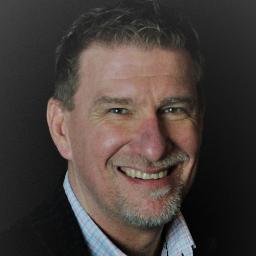
About Michael
Michael uses straightforward, talk-based sessions that aim to make problems clearer and more manageable. He draws on client-centered work to listen and reflect, and then uses practical tools from cognitive behavioral therapy to change unhelpful thoughts and behaviors. Motivational interviewing is part of his style when people are weighing change or feeling stuck.
He has worked in addiction settings and with related problems such as substance use, anger, compulsion, and dissociation. EMDR and existential ideas are included when trauma, meaning, or intense emotional reactions are involved. These methods are offered as part of a broader, practical approach rather than as stand-alone promises.
Sessions tend to focus on concrete steps - small experiments, communication practice, or short-term goals - alongside time to talk through painful experiences. He can help people process guilt, shame, abandonment wounds, and family of origin problems while also addressing coping skills for ADHD, bipolar mood concerns, or compassion fatigue.
Michael describes his work as direct and nonjudgmental. He asks questions, offers reflections, and helps set manageable tasks between meetings. People who worry they are too hard on themselves may find the pace and focus useful for rebuilding confidence and getting practical support.
Areas of expertise
Primary focus
Also works with
Additional focus areas
Therapeutic approaches
Experience
3+ years
Credentials
Missouri
Languages
English
Therapeutic approaches used in online sessions
Michael commonly integrates client-centered work, cognitive behavioral therapy, and motivational interviewing in his online approach. Client-centered work involves listening and reflecting to help someone clarify what matters most and to build a working relationship. Cognitive behavioral therapy focuses on identifying unhelpful thoughts and trying practical changes in behavior to reduce symptoms like anxiety or low mood. Motivational interviewing is a conversational style that helps people weigh pros and cons and find their own reasons to try change.Finding the right approach is part of the work. Michael treats approach selection as collaborative - he will talk with the client about goals, try methods, and adjust based on what helps. That means techniques may shift across sessions as goals become clearer.
The biography does not specify which session formats are offered, so confirm available options before booking. Online therapy can make it easier to fit sessions into a busy life, allow for shorter check-ins when needed, and reduce travel time. It can also make it simpler to continue work between appointments while using the therapeutic methods described above.
Frequently asked questions
What kinds of problems does he help with most often?
He commonly helps with addiction, depression, anxiety, self esteem, grief, relationship and family-related issues.
What is his general approach in sessions?
Sessions use a client-centered base with practical tools from cognitive behavioral therapy and motivational interviewing to set goals and try small changes.
How much counseling experience does he have?
He holds an LPC credential and has three years of licensed clinical experience working in Missouri.
Where does he practice and what credential does he hold?
He practices in Missouri and is a Licensed Professional Counselor (LPC) in that state.
Are sessions offered in other languages or internationally?
Sessions are offered in English and he does not accept international clients at this time.
What session formats are available?
The original profile does not list session formats; please confirm current session options before booking.
How are sessions paid for and what do they cost?
Cost varies with location and sessions use a subscription that can be canceled at any time.
How do I get started with him?
Select the See online therapy options button, complete a short matching questionnaire, and schedule a first session.