- CBT methods
- Psychodynamic work
- Trauma-focused care
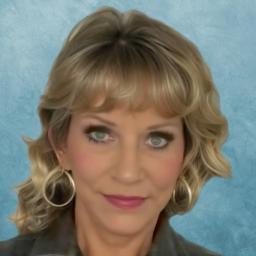
About Lynne
She listens without judgment and works in a direct, practical way. Sessions often include looking at current patterns, identifying small steps, and trying concrete strategies to reduce distress and improve day-to-day functioning. She blends insight-oriented work with goal-focused methods when needed.
Her background includes a Master of Social Work from the University of North Carolina at Chapel Hill and long experience with mood disorders, anxiety, and trauma. She holds the LCSW credential in North Carolina and has worked with adults across a wide range of concerns including relationship strain, grief, retirement adjustment, and addictive behaviors.
Her clinical approach draws on psychodynamic ideas to understand how past experiences shape current problems. She also uses cognitive-behavioral methods to change unhelpful thoughts and behaviors, and somatic or trauma-focused techniques when trauma symptoms are present. Sessions are collaborative and adapted to immediate goals as well as deeper work.
People who struggle with low self-esteem, persistent self-criticism, or difficulty trusting themselves may find the practical focus helpful. She aims to help clients build healthier relationships with themselves and others, improve self-confidence, and develop clearer ways to cope with life’s stresses.
Areas of expertise
Primary focus
Also works with
Additional focus areas
Therapeutic approaches
Experience
25+ years
Credentials
North Carolina
Languages
English
Therapeutic approaches and online sessions
She uses cognitive-behavioral therapy (CBT) in straightforward ways to spot and change unhelpful thoughts and behaviors, which can be useful for anxiety, low self-esteem, and mood symptoms. Existential-informed ideas are used to help clients name values, face uncertainty, and consider meaning in life changes. Psychodynamic work looks at how past relationships and patterns influence current feelings and reactions, which can help with persistent relationship problems and recurring emotional struggles.Choosing the right approach is part of the work. She will talk with clients about goals, symptoms, and personal preferences, and together they decide what methods to try first and when to adjust the plan. That collaborative process helps keep sessions focused and relevant to day-to-day problems.
The biography does not list specific session formats, so confirm current online options before booking. Online sessions can make it easier to fit therapy into a busy week, reduce travel time, and allow for check-ins that work around work or family commitments. Some approaches translate well to remote meetings, while others may use in-session exercises or body-focused techniques adapted for a virtual setting.
Frequently asked questions
What does she help with most often?
She commonly works with stress, anxiety, relationship difficulties, trauma and abuse, depression, and self esteem concerns.
How would you describe her therapeutic style?
She combines insight-oriented psychodynamic work with more structured, practical approaches like cognitive-behavioral techniques to address immediate goals.
How much experience does she have?
She has 25 years of clinical experience working with adults on mood disorders, anxiety, trauma, and life transitions.
What are her credentials and where is she based?
She is a Licensed Clinical Social Worker (LCSW) licensed in North Carolina and practices there.
Which languages are sessions offered in?
Sessions are offered in English.
Can she work with international clients?
She is not currently accepting international clients.
How are sessions paid for?
Cost varies with location and sessions use a subscription that can be canceled at any time.
How do I begin if I want to work with her?
Start by selecting the See online therapy options button, completing a short matching questionnaire, and scheduling a first session.