- Attachment-based methods
- CBT and DBT tools
- Creative expressive techniques
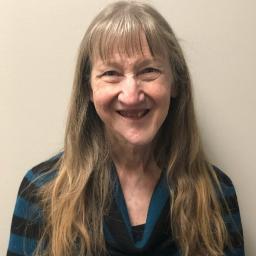
About Karen
She describes a practical, person-focused way of working. Sessions use clear language and concrete tools. She combines talk therapy with creative techniques like imagery, music, art, movement, and guided meditation to help people name difficult experiences and notice patterns that get in the way.
Her background includes nursing experience and graduate coursework in natural and alternative healing, plus health coaching study. That history informs an interest in the food-mood connection, sleep, and lifestyle factors that affect emotional well-being. She also draws on evidence-based practices such as cognitive behavioral work and dialectical behavior strategies alongside attachment-informed ideas.
She says she uses techniques including EMDR-related methods and other body-informed approaches to help people access emotions and memories they find hard to reach. She often supplies readings and resources so people can follow up between sessions. The focus is on recognizing limiting beliefs and testing new behaviors rather than on labels.
Karen identifies as LGBTQIA2S+ and is welcoming to people with diverse sexual and relationship identities, including polyamory and kink-affirming perspectives. She works in Montana and conducts sessions in English. To begin, users follow the site's matching steps and schedule a first session.
Areas of expertise
Primary focus
Also works with
Additional focus areas
Therapeutic approaches
Experience
30+ years
Credentials
Kansas, Washington, Missouri, Montana, Idaho, Oregon
Languages
English
How her therapeutic approaches are used in online work
Attachment-based ideas focus on how early relationship patterns affect current feelings and reactions. Online sessions can explore those patterns through reflective conversation and exercises that clarify how connection or its absence shapes self-worth.Cognitive behavioral techniques involve naming thoughts and testing them with small behavior changes. That work helps with anxiety, low self-esteem, and depression by giving practical steps to shift unhelpful thinking and try new actions.
She also uses dialectical behavior strategies to teach emotion regulation and distress-tolerance skills. Those tools can be practiced in-session and then applied between meetings to handle triggering moments more effectively.
Choosing the right approach is a collaborative process. The therapist will talk with the person about goals, preferences, and what feels most useful. Together they adjust methods as work progresses so sessions fit the person's needs.
The platform instructions explain how to book a first appointment. Session formats are not specified in the biography here, so confirm the available formats before scheduling. Online sessions can make it easier to fit therapy into a busy life - allowing shorter check-ins, avoiding travel time, and matching sessions to quieter parts of the day.
Frequently asked questions
What kinds of problems does she focus on?
She commonly helps adults with stress, anxiety, grief, depression, self-esteem, relationship and intimacy issues, trauma, and caregiver stress.
How would she describe her therapy style?
Her style blends talk therapy with practical tools, creative techniques, and lifestyle discussion to help people spot unhelpful patterns and try different behaviors.
How much clinical experience does she have?
She has three decades of practice as an LCSW, plus earlier nursing training and graduate coursework in natural and alternative healing.
What are her credentials and location?
She is an LCSW licensed in Oregon and Missouri and practices from Montana.
Which languages are supported during sessions?
Sessions are offered in English.
Does she work with international clients?
She is not currently accepting international clients.
How are sessions scheduled and what does cost look like?
Cost varies by location and sessions use a subscription that can be canceled at any time; exact pricing is available through the platform during sign-up.
What steps do I take to start sessions?
Select the See online therapy options button, complete the short matching questionnaire, and schedule your first session through the site.