- ACT methods
- Client-centered talk
- CBT exercises
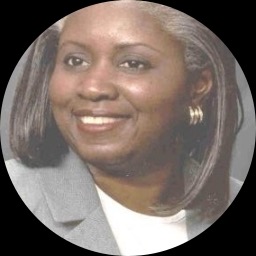
About Joanne
Joanne keeps sessions direct and conversational. She listens for what feels most urgent and helps people break worries into manageable steps. Conversations often focus on how thoughts and behaviors affect day-to-day life and on building small, practical habits that reduce overwhelm.
Her background includes work with people facing loss, caregiver strain, and relationship shifts. She also supports those dealing with anger, addictions, financial stress, and moral emotions like guilt and shame. That experience shapes an approach that mixes problem-solving with attention to personal values and strengths.
Joanne draws on Acceptance and Commitment Therapy, Client-Centered Therapy, and Cognitive Behavioral Therapy to guide sessions. She uses tools from those models to help people notice patterns, try new responses, and practice different ways of thinking. Goals are concrete and tied to everyday routines.
Sessions are paced to each person’s needs, with clear steps between meetings. Joanne asks about what is working and adjusts the plan as needed. She encourages practical coping skills alongside discussion of meaning and life direction.
Areas of expertise
Primary focus
Also works with
Additional focus areas
Therapeutic approaches
Experience
5+ years
Credentials
Arkansas
Languages
English
How her approaches translate to online sessions
Acceptance and Commitment Therapy (ACT) helps people notice unhelpful thoughts and choose actions that match their values. It is often used for anxiety, low self-esteem, and coping with life changes. Client-Centered Therapy focuses on listening and reflecting back what clients say so they can find their own solutions; it suits people who need a calm, steady space to sort thoughts. Cognitive Behavioral Therapy (CBT) looks at the links between thoughts, feelings, and behaviors and uses practical exercises to change patterns that feed depression or anxiety.Finding the right approach is part of the work. Joanne will discuss these methods with each person and agree together which ideas to try. That collaborative process helps shape sessions around current goals and day-to-day challenges rather than a fixed protocol.
The practical benefits of remote sessions include fitting therapy into a busy schedule and reducing travel time. If you want to know which session formats are offered now, confirm the current options before booking. The focus is on making sessions possible alongside caregiving, work, or other responsibilities and on choosing approaches that fit how someone prefers to engage.
Frequently asked questions
What concerns does she address most often?
She commonly helps with stress, anxiety, depression, self esteem, grief, and coping with life changes.
What is her general therapeutic style?
Her style is conversational and practical, focusing on small, doable steps and clear goals.
How much experience does she have?
She has five years of clinical experience working with caregiving stress, grief, trauma, and mood concerns.
What are her credentials and location?
She is an LPC - Licensed Professional Counselor, practicing in Arkansas.
Which languages are supported in sessions?
Sessions are offered in English.
Can international clients work with her?
She does not accept international clients at this time.
How are sessions paid for?
Cost varies with location and sessions use a subscription that can be canceled at any time.
How do I begin with her?
Select the See online therapy options button, complete a short matching questionnaire, and schedule a first session.