- Substance use support
- LGBTQ related issues
- Trauma and depression
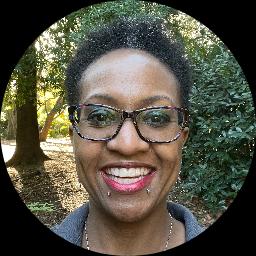
About Iisha
Her approach is straightforward and practical. Sessions focus on talking through current problems and identifying small, manageable steps forward. She aims to reduce shame and help people recognize patterns that keep them stuck, such as avoidance, impulsivity, or isolation. Conversations often include working on communication and coping skills that can be used outside sessions.
Toombs draws on evidence-based therapeutic techniques to address trauma, addiction, and mood concerns. That can mean looking at how past relationships shape present choices, practicing skills to manage strong feelings, or setting concrete goals for recovery from substance use. She pays attention to body image, guilt and shame, and family of origin issues when they affect a person’s sense of self.
Practical matters are part of the work. She discusses how chronic illness, aging, or disability interact with mental health and daily routines. She also helps people navigate divorce, separation, and problems tied to control and impulsivity.
Sessions are conducted in English. Since she is licensed in California and New Mexico, location factors are discussed during intake. The first meeting focuses on understanding immediate concerns and deciding on next steps together.
Areas of expertise
Primary focus
Additional focus areas
Experience
16+ years
Credentials
California, New Mexico
Languages
English
How evidence-based methods are used in online sessions
Many of her sessions draw on well-researched therapy techniques. One common approach is trauma-focused work that helps people process past harm and reduce symptoms that follow abusive or traumatic events. This involves revisiting memories in a paced way and building coping skills to manage strong feelings.Another frequently used method targets substance use and addictive behavior by focusing on motivation, relapse prevention, and practical strategies for change. That work includes identifying high-risk situations, rehearsing alternative behaviors, and setting concrete recovery goals.
Finding the right approach is part of the therapy process. The therapist collaborates with each person to choose which techniques fit their needs, goals, and comfort level. Changes to the plan are expected as progress is reviewed together.
Confirm current session formats before booking, as the biography does not list specific delivery methods. Online work can make it easier to fit sessions into a busy life - for example by removing commute time, allowing a shorter check-in during a lunch break, or offering options that do not require being on camera. Those practical benefits help sessions feel more manageable while focusing on the same therapeutic work as in-person meeting with licensed professionals.
Frequently asked questions
What concerns does she help with most often?
She commonly addresses substance use, LGBTQ related issues, trauma and abuse, self esteem, and depression.
What is her general approach in sessions?
Sessions focus on practical conversation and skills. She works to identify patterns, reduce shame, and set small actionable steps.
How long has she practiced?
She has 16 years of professional experience working with mental health and substance use concerns.
Where is she licensed and based?
She is a Licensed Clinical Social Worker (LCSW) licensed in California and New Mexico and practices from California.
Which languages are supported for sessions?
Sessions are offered in English.
Does she work with clients outside the United States?
International clients are not accepted at this time.
How are sessions scheduled and what about cost?
Cost varies by location; sessions use a subscription model that can be canceled at any time.
How do I begin working with her?
Select the See online therapy options button, complete the short matching questionnaire, and schedule a first session.