- Acceptance and Commitment Therapy
- Cognitive Behavioral Therapy
- Mindfulness Therapy
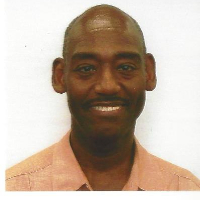
About Derek
He has practiced in inpatient psychiatric hospitals, outpatient clinics, and personal settings. Over his career he has worked with adults across a wide age range, including older adults. His background includes individual and group work and a variety of clinical roles in Connecticut and Florida.
In sessions he uses straightforward, evidence-informed methods such as acceptance and commitment approaches, client-centered work, cognitive behavioral techniques, mindfulness practices, and motivational interviewing. He focuses on practical skills people can use between sessions to manage mood, reduce anxious thinking, and address unhelpful behavior patterns.
Dr. Hopson pays attention to how life stage and caregiving pressures affect stress and mood. He also supports people dealing with relationship strain, parenting challenges, blended family issues, and the effects of trauma or addiction on daily living. He aims to help clients clarify priorities and take manageable steps forward.
He describes his work as direct and respectful, listening closely to each person’s concerns and collaborating on goals. To begin, he asks people to describe what they want to change, then outlines methods to try and practical tasks to practice between meetings.
Areas of expertise
Primary focus
Also works with
Additional focus areas
Therapeutic approaches
Experience
40+ years
Credentials
Florida
Languages
English
How therapeutic approaches translate to online work
Acceptance and Commitment Therapy (ACT) helps people notice unhelpful thoughts and choose actions that align with their values; it is often used for anxiety, depression, and self esteem concerns. Cognitive Behavioral Therapy (CBT) focuses on identifying and testing distorted thoughts and practicing new behaviors to reduce symptoms and improve daily functioning. Client-Centered Therapy emphasizes listening and helping people find their own solutions through a supportive, non-directive conversation.Finding the right mix of approaches is part of the work together. The therapist will review your goals, preferences, and the problems you want to address, and then suggest which methods to try. That decision is collaborative and can be adjusted as you go.
The biography does not list specific online session formats, so confirm current options before booking. In general, online sessions can make it easier to fit meetings into a busy week, allow shorter check-ins when needed, and reduce travel time. Many people find that structured exercises, worksheets, and brief between-session tasks translate well to remote sessions and support steady progress.
Frequently asked questions
What concerns does he most often help with?
He commonly helps people with stress, anxiety, depression, addiction, relationship and family issues, trauma and grief, and self esteem struggles.
What is his therapeutic style like?
He works in a direct, respectful manner and listens closely to each person's concerns. He focuses on clear goals and practical steps to try between sessions.
How much clinical experience does he have?
He brings 40 years of experience in inpatient, outpatient, and independent practice settings across Connecticut and Florida.
What are his credentials and where does he practice?
He is a Florida Psychologist (FL Psychologist PY7409) and practices in Florida.
Can I work with him if I live outside the US?
He accepts international clients and provides services to people outside the United States.
What session formats are offered?
The original biography does not list specific session formats; please confirm the current session options before scheduling.
How are fees handled?
Cost varies with location; sessions use a subscription that can be canceled at any time.
How do I begin working with him?
Select the See online therapy options button, complete a short matching questionnaire, and schedule a first session.