- Client-Centered Therapy
- Cognitive Behavioral Therapy
- Art-based exploration
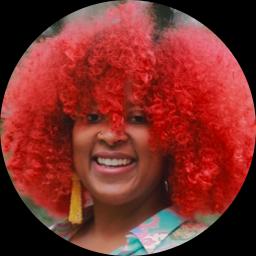
About April
April blends conversational therapy with creative expression when that feels helpful. She sometimes uses art-making as a way to name feelings and see patterns that are hard to put into words. Her approach draws on client-centered principles and narrative techniques to help people tell different stories about themselves.
She also uses elements of cognitive behavioral work to spot unhelpful thinking and try small experiments that change how someone acts day to day. Emotionally-Focused ideas inform how she pays attention to feelings in the moment, and motivational interviewing helps with decisions and building commitment to change. April aims for practical steps that can be used between sessions.
Clients can expect straightforward conversation and concrete practices, including creative exercises when desired. April keeps explanations plain and focuses on what feels doable. She describes her style as curious and engaged rather than directive.
April practices in Florida as an LMHC and offers services in English. The practice notes that sessions use a subscription model that can be canceled at any time. To begin, people complete a short matching questionnaire and schedule a first session.
Areas of expertise
Primary focus
Additional focus areas
Therapeutic approaches
Experience
8+ years
Credentials
Florida
Languages
English
How April’s approaches translate to online work
April commonly uses Client-Centered Therapy and Cognitive Behavioral Therapy (CBT) in ways that suit remote sessions. Client-Centered Therapy focuses on listening closely and following what matters most to the person, which helps surface the self-critical thoughts that feed low self-esteem. CBT looks at the link between thoughts, feelings, and actions and offers practical exercises to test and change unhelpful thinking patterns.She also draws on Emotionally-Focused Therapy ideas to notice and name feelings during conversation, which can shift how people relate to difficult emotions. These approaches are presented plainly and used together when they best fit a person's goals and preferences. Figuring out which mix works is a collaborative process between the therapist and client.
Practical benefits of online sessions include fitting therapy into a busy week and reducing travel time so meetings are easier to keep. Because the biography does not specify session formats, confirm available options before booking. Online work can allow shorter check-ins, calmer pacing, and creative exercises that translate to a digital setting, helping people practice new habits between sessions.
Frequently asked questions
What concerns does she help with most often?
She commonly works with stress, anxiety, grief, depression, and self esteem issues, plus related concerns like guilt, isolation, and life purpose.
What is her general approach in sessions?
April uses a conversational, client-centered style and mixes practical techniques with creative exercises when helpful.
How much experience does she have?
She has eight years of clinical experience working with a variety of concerns including negative self-image and coping with change.
What credential does she hold and where does she practice?
She is an LMHC licensed in Florida and provides services based in that state.
Are sessions offered in other languages or internationally?
Sessions are offered in English and she does not accept international clients at this time.
What session formats are available?
Confirm current session options before booking, as the biography does not list specific session formats.
How are fees handled?
Costs vary with location and sessions use a subscription model that can be canceled at any time.
How do I begin a first session?
Use the See online therapy options button, complete a short matching questionnaire, and schedule a first session.