- Client-Centered Therapy
- Cognitive Behavioral Therapy
- Psychodynamic ideas
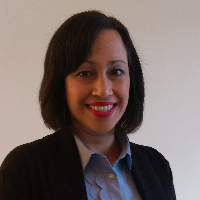
About Aparna
Aparna uses a person-centered approach that keeps the client's perspective central. She pairs that with practical cognitive-behavioral techniques to notice and change unhelpful thoughts and behaviors. She also draws on psychodynamic ideas to look for patterns and underlying issues that recur across relationships and life choices.
Sessions tend to focus on clear goals and hands-on steps. That might mean learning new ways to communicate, practicing healthier boundaries, or trying behavior experiments to test negative beliefs. For people working on addiction, she supports both harm-reduction and abstinence goals and addresses the emotional issues that often sit behind substance use.
Aparna emphasizes reflective listening and straightforward feedback. She encourages clients to name the patterns that hold them back and to practice different responses in everyday situations. Her work includes attention to mood disorders, coping with chronic illness or pain, and challenges around identity and intimacy.
Her training includes a master’s degree in rehabilitation counseling from San Francisco State University. Aparna welcomes people from diverse backgrounds and works in English. To begin, clients follow the site steps to match and schedule a first session.
Areas of expertise
Primary focus
Also works with
Additional focus areas
Therapeutic approaches
Experience
13+ years
Credentials
California
Languages
English
How her approaches translate to online sessions
Aparna blends client-centered work with cognitive-behavioral techniques and psychodynamic thinking. Client-Centered Therapy emphasizes listening and understanding the person's point of view, which helps when someone feels judged or unsure of their worth. Cognitive Behavioral Therapy (CBT) focuses on identifying and changing unhelpful thoughts and behaviors, useful for anxiety, low self-esteem, and mood problems. Psychodynamic ideas look for recurring patterns and past influences that shape current relationships and choices.Finding the right mix of approaches is part of the work. Aparna will talk with you about your goals, how you prefer to work, and what feels most useful. Together you determine which methods to try and adjust them as you go, so therapy stays practical and relevant to your life.
Session formats are not listed in the biography, so confirm the available online options before booking. Online work can make it easier to fit therapy into a busy week, allow shorter check-ins when needed, and avoid travel time. It also makes it simpler to continue sessions if routines or locations change, while keeping the focus on clear goals and behaviors rather than scheduling barriers.
Frequently asked questions
What concerns does she address most often?
She commonly helps people with anxiety, depression, low self-esteem, addiction, stress, relationship problems, and trauma-related issues.
What is her therapeutic style like?
Her style is person-centered and straightforward, using reflective listening and practical strategies to help people notice and change patterns.
How much clinical experience does she have?
She has 13 years of experience working in mental health and substance use treatment, including outpatient and residential programs.
What credentials and location apply?
She is an LPCC, licensed in California, and practices from California.
Can I work with her if I live outside the United States?
Sessions are offered in English and she does not accept international clients at this time.
What session formats are offered?
Session formats are not specified here; confirm the current online and in-person options before booking.
How are fees handled?
Cost varies with location and sessions use a subscription that can be canceled at any time.
How do I begin a first appointment?
Use the See online therapy options button, complete the short matching questionnaire, and schedule your first session.