- Stress management
- Relationship issues
- Motivational interviewing
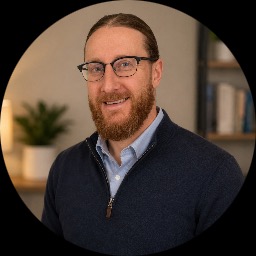
About Zachary
Before moving into independent practice he worked in healthcare, substance use treatment, correctional settings, and with veterans. Those roles exposed him to many different situations and to people facing major stress, trauma, and difficult decisions. That background informs how he listens and responds in sessions.
His style is collaborative and practical. He asks about what you already do well and builds from those strengths. He helps set clear goals, tries concrete coping strategies, and tracks what changes over time.
Zachary draws from evidence-based therapeutic techniques such as Cognitive Behavioral Therapy, Dialectical Behavior Therapy, and Motivational Interviewing. In plain terms, that means looking at thoughts and behaviors that keep problems going, learning skills for distress and emotion regulation, and using focused conversations to increase motivation for change.
Sessions focus on real-life problems like workplace stress, social anxiety, guilt, isolation, forgiveness, and questions about life purpose. He also supports people dealing with mood shifts, seasonal affective disorder, and the ripple effects of major life transitions. The work is practical and paced to what the person can manage.
To get started he asks people to complete a short matching questionnaire and then schedule a first session. Costs vary by location and services are provided through a subscription that can be canceled at any time.
Areas of expertise
Primary focus
Additional focus areas
Experience
4+ years
Credentials
South Carolina
Languages
English
How evidence-based approaches are used in online sessions
Zachary draws from evidence-based techniques that focus on practical change. Cognitive Behavioral Therapy looks at how thoughts and behaviors influence mood and actions, then uses simple exercises to test and change unhelpful patterns. Dialectical Behavior Therapy offers concrete skills for handling intense emotions and improving interpersonal effectiveness, useful for people who feel overwhelmed or reactive.Finding the right approach is part of the work. He treats the selection of methods as a collaborative process and checks in about what feels useful. Together they set goals, try techniques, and adjust the plan based on what helps most.
The biography does not list specific session formats, so confirm the available online options before booking. Online sessions can make it easier to fit care into a busy week, reduce travel time, and allow shorter check-ins when needed. They can also let someone choose sessions that match their routine, such as timing around a work break or avoiding the need to be on camera for every meeting.
Frequently asked questions
What concerns does he most often address?
He commonly helps with stress, anxiety, relationship issues, self esteem, depression, and coping with life changes, plus related problems such as guilt, isolation, and workplace issues.
What is his general approach in sessions?
He uses a collaborative and practical approach that builds on a person’s strengths and focuses on clear goals and actionable coping strategies.
How much clinical experience does he have?
He has four years of professional experience working in healthcare, substance use treatment, correctional settings, and with veterans.
What credentials and location are listed?
He is a Licensed Independent Social Worker-Clinical Practice (LISW-CP) based in South Carolina.
Which languages are supported and can people abroad work with him?
Sessions are offered in English and he is not accepting international clients at this time.
What session formats are offered?
Session formats were not specified in the biography; confirm the current session options before booking.
How are fees handled?
Costs vary with location and services use a subscription model that can be canceled at any time.
What is the first step to begin?
Select the See online therapy options button, complete a short matching questionnaire, and schedule a first session.