- CBT methods
- Mindfulness practice
- Trauma-informed care
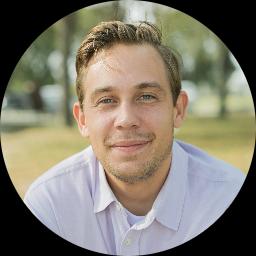
About Theo
Theo uses straightforward talking and practical strategies to help people notice unhelpful patterns. Sessions are collaborative and focused on small, achievable steps. He draws on Cognitive Behavioral Therapy and mindfulness to help people reduce anxious thoughts and build healthier habits.
For trauma and intense emotional work he integrates trauma-focused methods and Internal Family Systems ideas to explore difficult memories and internal parts that influence behavior. That work aims to decrease reactivity and increase a sense of internal stability rather than quick fixes.
He helps people unpack problems such as codependency, commitment issues, divorce and separation, substance use, guilt, and isolation. Conversations often include concrete tools for managing strong feelings, coping with change, and improving self-regard over time.
Sessions are practical and paced to each person. Theo encourages starting with small goals, tracking what helps, and adjusting approaches as needed. If you want to explore personal limits, relational patterns, or concerns about eating and body image, he offers a steady, goal-focused way to begin.
Before booking, confirm current session formats and scheduling details to match your needs.
Areas of expertise
Primary focus
Also works with
Additional focus areas
Therapeutic approaches
Experience
3+ years
Credentials
Florida
Languages
English
How Theo uses evidence-based approaches online
Client-Centered Therapy focuses on listening and responding to what matters most to the person in the room. It helps people feel understood and clarifies goals so practical steps can follow. Cognitive Behavioral Therapy (CBT) looks at the connections between thoughts, feelings, and actions; it offers tools to test unhelpful beliefs and try different responses to anxiety and low self-esteem.Mindfulness Therapy teaches simple paying-attention skills to reduce reactivity and increase moment-to-moment awareness. Those practices can be paired with CBT to manage panic, rumination, or eating-related urges. Trauma-Focused Therapy is used when past events continue to affect daily functioning; it includes paced, grounded work to reduce intense reactions and improve regulation.
Finding the right approach is part of the work. Theo will discuss options and help choose methods based on the client's goals, preferences, and the issues they bring. That selection is collaborative and can change as progress is made.
Session formats are not specified in the biography, so confirm the current options before booking. Online sessions can make it easier to fit therapy into a busy week, reduce travel time, and allow shorter check-ins when needed. They can also let people work with a licensed professional from their own community while keeping appointments consistent.
Frequently asked questions
What does he help people with most often?
He commonly works with stress, anxiety, trauma and abuse, low self-esteem, depression, and life changes. He also addresses intimacy, sexuality, and eating or body image concerns.
What style of therapy does he use?
He blends Client-Centered Therapy with Cognitive Behavioral Therapy and mindfulness techniques. For deeper emotional wounds he uses trauma-focused approaches and Internal Family Systems ideas.
How much experience does he have?
He has three years of clinical experience working as an LCSW in Florida. That background includes work with anxiety, trauma, and related concerns.
What are his credentials and where is he based?
He holds the credential LCSW, and his license is in Florida. Sessions are provided from that location.
Which languages are supported?
Sessions are offered in English.
Can people outside the U.S. work with him?
He does not accept international clients at this time.
How are fees handled?
Cost varies with location and sessions use a subscription model that can be canceled at any time. Confirm current pricing before scheduling.
How do I begin if I want to work together?
Use the See online therapy options button, complete a short matching questionnaire, and then schedule a first session. That starts the intake and planning process.