- Stress and anxiety
- Self esteem work
- Trauma and coping
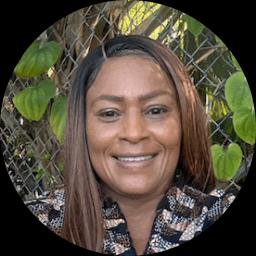
About Telisa
She uses a mix of therapy methods to help people manage strong feelings and painful memories. Sessions often include skills for handling intense emotions, ways to notice and change unhelpful thoughts, and work on improving relationships and self-regard. Telisa pays attention to how people form attachments and how that affects current struggles.
Her style is straightforward and active. She listens, reflects what she hears, and suggests exercises to try between sessions. People can expect to practice specific skills for panic, social anxiety, and low self-worth, not only to talk about problems.
Telisa also helps people facing issues such as abandonment, body image concerns, communication problems, control issues, divorce and separation, guilt and shame, and isolation. She integrates techniques from Acceptance and Commitment Therapy, Cognitive Behavioral Therapy, Dialectical Behavior Therapy, Attachment-Based Therapy, and Emotionally-Focused Therapy when appropriate.
Her background includes a Master of Arts in Mental Health Counseling from South University. The focus is on clear steps to reduce distress and build more reliable ways of coping. For anyone who tends to compare themselves with others or second-guess their choices, she aims to create workable practices that fit everyday life.
Areas of expertise
Primary focus
Additional focus areas
Therapeutic approaches
Experience
8+ years
Credentials
Florida
Languages
English
How her therapeutic approaches translate to online work
Acceptance and Commitment Therapy (ACT) focuses on clarifying what matters most and building small actions that align with those values while learning to sit with difficult thoughts and feelings. It can help when self-criticism or avoidance keeps someone from living the life they want.Cognitive Behavioral Therapy (CBT) looks at the links between thoughts, feelings, and behaviors and teaches practical skills to test and change unhelpful thinking patterns. It is often used for anxiety, panic, and depressive symptoms.
Attachment-Based Therapy pays attention to patterns that began in close relationships and how they show up now, which can be useful for issues like abandonment, insecurity, and relationship struggles.
Finding the right approach is part of the work. Telisa will help clients choose methods that match their current needs and goals, and she will adjust techniques as progress and preferences become clearer. This is a collaborative process where practical steps are tried and reviewed.
The therapist’s clinical approaches guide what happens in sessions, but the exact online session formats should be confirmed before booking. If you want to fit therapy into a busy schedule, online work can make it easier to have regular meetings, shorter check-ins when needed, and continue skill practice between sessions. Check the session options when you book so you know how sessions will be delivered.
Frequently asked questions
What does she help with most often?
She commonly supports people with stress, anxiety, trauma and abuse, self esteem, depression, and coping with life changes.
What kind of therapy approach does she use?
Telisa blends practical methods including Acceptance and Commitment Therapy, Cognitive Behavioral Therapy, Dialectical Behavior Therapy, Attachment-Based Therapy, and Emotionally-Focused Therapy depending on needs.
How much clinical experience does she have?
She has eight years of experience as a Licensed Mental Health Counselor working with adults on a range of mental health concerns.
Where is she licensed and based?
She is a Florida LMHC and practices in Florida.
Which languages are supported?
Sessions are offered in English.
Can international clients work with her?
She does not accept international clients at this time.
How does payment work and what does it cost?
Cost varies with location and services; sessions use a subscription that can be canceled at any time.
How do I start a first session?
Select the See online therapy options button, complete a short matching questionnaire, and schedule your first session.