- CBT influenced
- Solution-focused
- Phone and video
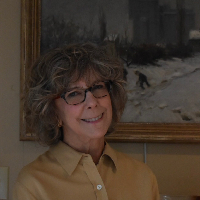
About Suzanne
Dr. Cormier favors clear, interactive counseling. She usually draws on cognitive behavioral ideas but adapts methods to fit each person. Sessions involve talking through thoughts and behaviors, trying practical tools, and focusing on what can change now rather than only on the past.
Much of her recent work has involved anxiety and stress connected to personal and social concerns. She also supports people who are new to counseling and those wanting coaching-style guidance alongside therapy. Her background includes university teaching, student counseling, and life coaching, which shape a straightforward and developmental view of problems.
Clients can expect a collaborative style that emphasizes strengths and small, achievable steps. Dr. Cormier notes she uses both phone and video sessions and does not use texting as a primary platform. Scheduling is handled during weekdays at varying times to find a convenient option for a first session.
Outside clinical work she stays involved in community volunteering, reads mystery novels, and enjoys travel and lighthearted videos. These personal interests inform a practical, human approach to counseling and life transition work.
Areas of expertise
Primary focus
Also works with
Additional focus areas
Therapeutic approaches
Experience
26+ years
Credentials
South Carolina
Languages
English
How her approaches translate to online sessions
Dr. Cormier often draws from Cognitive Behavioral Therapy and Client-Centered Therapy in her work. Cognitive Behavioral Therapy involves identifying unhelpful thought and behavior patterns and practicing small, practical skills to change them; it is commonly used for anxiety, stress, and low self-esteem. Client-Centered Therapy focuses on listening and reflecting so people can clarify their own goals and values; it suits those who want a collaborative, respectful conversation about what matters to them.She also uses Solution-Focused techniques at times, which concentrate on setting concrete goals and trying small experiments between sessions to build momentum. Choosing the right mix of approaches is a collaborative process. The therapist and client discuss needs, goals, and preferences, then try methods that fit those priorities and adjust over time.
The biography specifies phone and video sessions, and notes texting is not used as a primary platform. Please confirm exact session options before booking so they match your schedule and technical setup. Online sessions can make it easier to fit therapy into a busy week, allow shorter check-ins when needed, and remove travel time, which can help people stick with regular work on self-esteem and stress management.
Frequently asked questions
What concerns does she most often address?
She commonly helps with stress, anxiety, self-esteem, relationship and parenting worries, grief, and life transitions.
What is her general therapy style?
Her style is interactive and practical, often using cognitive behavioral ideas alongside client-centered conversation to try concrete changes.
How long has she been practicing?
She has 26 years of experience that include counseling, coaching, and university student advising.
What credential does she hold and where is she based?
She is a Licensed Professional Counselor (LPC) in South Carolina.
Which languages are supported and can international clients join?
Sessions are offered in English and international clients are not currently accepted.
What session formats are offered?
Her biography states sessions are by phone or video; texting is not used as a primary platform.
How is cost handled?
Cost varies by location and sessions use a subscription that can be canceled at any time.
How do I begin the process?
Select the See online therapy options button, complete a short matching questionnaire, and schedule a first session.