- LGBT concerns
- Compassion fatigue
- Self-love work
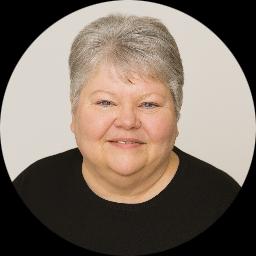
About Susan
Susan focuses on clear, practical conversations. She listens for what matters most to each person and helps them name the thoughts and habits that get in the way of feeling steady. Sessions are straightforward and paced to the client's comfort rather than rushed.
Her approach emphasizes small, doable steps. That might mean practicing new ways of talking to yourself, trying out different behaviors between sessions, or working through painful memories at a manageable pace. She explains ideas plainly and checks in about whether a strategy is working.
Susan aims to reduce the daily weight of criticism and comparison. She helps people learn to notice unhelpful thoughts, set realistic goals, and rebuild trust in their own judgement. Progress is framed as small changes that add up over time.
People who’ve faced loss, long-term health challenges, or repeated burnout tend to find her style practical. She encourages steady effort and offers concrete tools rather than abstract reassurance. To begin, visitors are asked to use the site’s matching steps to schedule a first session.
Areas of expertise
Primary focus
Additional focus areas
Experience
15+ years
Credentials
Illinois
Languages
English
Therapeutic approaches and how online sessions work
Two common approaches Susan uses are cognitive-style work and behavioral practice. Cognitive-style work helps people notice and test unhelpful thoughts that fuel low self-worth. Behavioral practice focuses on trying small changes in daily life to build confidence and reduce avoidance.She also uses grief-focused techniques that allow people to process loss in clear, paced steps. Those steps often include remembering what matters, adjusting expectations, and creating short practices that support everyday functioning after a loss.
Choosing the right approach is part of the work. Susan treats the decision as collaborative and will help identify which methods fit a person’s needs, goals, and preferences. She checks in regularly and shifts tactics if something isn’t helping.
Practical benefits of online therapy include easier scheduling and fewer barriers to fitting sessions into a busy week. Because the specific session formats are not listed in her biography, confirm current session options before booking. Online sessions can make it simpler to have shorter check-ins, avoid travel time, or connect from different locations when needed, which helps therapy fit into everyday life without adding extra strain.
Frequently asked questions
What does she help people with most often?
She commonly supports people with self-esteem struggles, grief and LGBT-related concerns, plus coping with life changes and compassion fatigue.
How would you describe her therapeutic approach?
Her style is practical and direct, focusing on naming thought patterns and practicing small, manageable steps between sessions.
What is her professional background?
She has 15 years of professional experience working in social work settings and related clinical roles.
What credential does she hold and where is she based?
She is an LCSW licensed in Illinois and practices from that state.
Which languages are supported during sessions?
Sessions are offered in English.
Does she work with international clients?
She is not accepting international clients at this time.
How are sessions paid for and what does it cost?
Cost varies with location; sessions use a subscription that can be canceled at any time.
How do I get started with a first session?
Select the See online therapy options button, complete the short matching questionnaire, and schedule your first session through the site.