- Stress and anxiety
- Trauma and abuse
- Body image
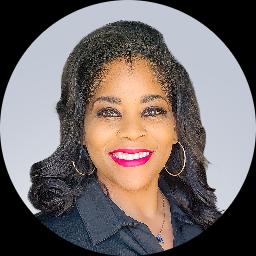
About Shontel
Shontel starts by listening to how someone describes their situation and what they want to change. She treats the person as the expert on their own life and looks for strengths to build on. Sessions are meant to be straightforward and focused on small, workable shifts rather than quick fixes.
Her background includes long-term work in clinical settings across Texas, where she learned to manage both immediate concerns and longer patterns that keep people stuck. She pays attention to how attachment, abandonment fears, and family of origin issues shape current behavior. Problems like communication breakdowns, control issues, and body image concerns are addressed in practical terms.
Shontel also helps people handling the fallout from separation, divorce, domestic violence, and complex mood or behavioral challenges such as Disruptive Mood Dysregulation Disorder. She brings experience helping clients consider forgiveness and repair when that matters to them.
Her approach is evidence-based and goal-oriented. She works collaboratively to set clear steps and track progress. People who doubt their worth or compare themselves to others will find a steady, no-nonsense partner in the process of building more consistent self-respect.
Areas of expertise
Primary focus
Additional focus areas
Experience
12+ years
Credentials
Texas
Languages
English
How evidence-based techniques are used in online sessions
Shontel uses evidence-based therapeutic techniques that focus on practical change. One common approach helps people learn new ways to notice and shift patterns of thought and behavior that feed anxiety and low self-esteem. This can include identifying unhelpful thinking and testing small behavioral experiments to see what actually helps. Another common technique focuses on relationships and attachment patterns. It looks at how past hurts and abandonment fears affect current communication and closeness, and then practices clearer ways of asking for needs and setting boundaries.Finding the right approach is part of the work. She collaborates with each person to decide which techniques fit best with their goals, preferences, and daily life. That means trying strategies, checking what helps, and adjusting the plan together rather than sticking to one method by default.
Practical benefits of online work include fitting sessions into a busy week and reducing travel time. Online sessions can make it easier to have shorter check-ins when schedules are tight or to meet during a lunch break. The biography does not list specific session formats, so confirm which formats are currently offered before booking. Online sessions are presented as a way to weave therapy into everyday life while working on stress, relationships, and self-esteem.
Frequently asked questions
What concerns does she help with most often?
She commonly works with stress, anxiety, relationship problems, trauma and abuse, self-esteem, and depression.
How would you describe her therapeutic style?
Her style is practical and collaborative, focusing on strengths and clear, manageable steps toward change.
How much clinical experience does she have?
She has 12 years of professional experience working in clinical settings in Texas.
What are her credentials and where does she practice?
She holds an LCSW credential and is licensed in Texas.
Does she work with people who live outside the United States?
She accepts international clients and offers sessions in English.
What session formats are available?
Session formats are not listed in the biography; please confirm current session options before booking.
How are fees handled?
Cost varies with location and sessions use a subscription that can be canceled at any time.
How do I begin working with her?
Select the See online therapy options button, complete a short matching questionnaire, and schedule your first session.