- Stress and anxiety
- Trauma and abuse
- Values-based work
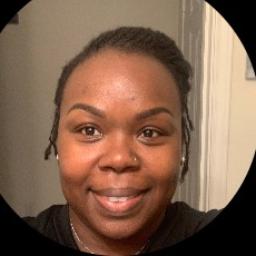
About Shatonya
Shatonya approaches work with the belief that each person knows their story best and brings strengths to the room. She listens for what matters most to the person she sees, then helps them notice patterns that get in the way. Conversations include practical steps to change unhelpful thinking and behaviors, and ways to build more dependable daily habits.
Her practice draws from approaches that focus on values, emotional connection, and skill building. That can mean learning specific coping skills, practicing new ways to communicate, or trying behavioral experiments to test what helps. Sessions are direct and down-to-earth, with clear suggestions and space to reflect.
Shatonya pays attention to how attachment and past wounds affect current relationships. She also supports people dealing with body image, blended family concerns, caregiver stress, fertility and postpartum issues, and problems tied to culture or first responder and veteran experiences.
People who are hard on themselves or who doubt their worth often find the work practical and rooted in everyday life. To begin, she asks a few questions to understand goals and then plans sessions that address what feels most urgent.
Areas of expertise
Primary focus
Also works with
Additional focus areas
Therapeutic approaches
Experience
11+ years
Credentials
Texas, Mississippi, New Jersey
Languages
English
How her approaches translate to online work
Acceptance and Commitment Therapy (ACT) helps people get clearer about their values and take action that matches those values despite uncomfortable thoughts or feelings. It is useful for low self esteem, anxiety, and motivation problems. Cognitive Behavioral Therapy (CBT) focuses on identifying and testing unhelpful thoughts and building new habits through small behavioral steps. It is often used for depression, anxiety, and changing repetitive thinking patterns. Emotionally-Focused Therapy (EFT) concentrates on emotions and attachment patterns to improve how people relate to others and to reduce relationship distress.Finding the right approach is part of the work. The therapist will talk with the person about goals, preferences, and what has or hasn’t helped before, then recommend which methods to try. That decision is collaborative and can change as the work progresses.
Confirm the specific session formats before booking, since formats were not listed in the biography. Online sessions can make it easier to fit therapy into a busy week, reduce travel time, and allow shorter check-ins when schedules are tight. If a person prefers less time on camera, shorter sessions or phone-based options can sometimes be arranged depending on the therapist's current offerings. The focus is on fitting therapy into everyday life while using approaches that match the client's needs.
Frequently asked questions
What concerns does she focus on most?
She commonly helps with stress, anxiety, relationship issues, trauma and abuse, self esteem, and adjusting to life changes.
What is her general approach in sessions?
She blends approaches that emphasize values, emotional connection, and skill-building, using clear, practical steps people can try between meetings.
How long has she been practicing?
Shatonya has 11 years of professional experience as a clinician.
What credentials and location are listed?
She holds the LCSW credential and practices in Texas.
Which languages are supported for sessions?
Sessions are offered in English.
Can people outside the United States work with her?
She does not accept international clients at this time.
How does payment and cost work?
Cost varies with location and sessions use a subscription that can be canceled at any time.
How do I start a first session?
Select the See online therapy options button, complete the short matching questionnaire, and schedule a first session.