- CBT
- Mindfulness
- Client-centered
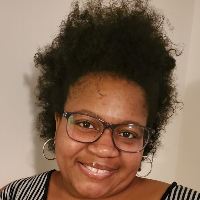
About Shalika
Shalika’s route into social work started in a different field. She earned a Master of Public Administration while working at a bank, then completed a Master of Social Work at Fordham University. That earlier experience shaped her interest in the real-life pressures that can lead to anxiety, low mood, and struggles with focus or substance use. She is also nearing completion of a Doctorate in Social Work at Capella University.
In sessions she prefers a straightforward opening: a brief check-in about the week, day, or last hour, and then a move into therapeutic work. She emphasizes that how sessions begin is up to the individual. This practical start can make conversations feel manageable for someone who is hard on themselves or worried about being judged.
Her work includes addressing relationship strain, family problems, communication and control issues, and life transitions like divorce or fertility struggles. She also supports concerns around body image, guilt and shame, anger, panic, and addiction-related challenges.
Shalika uses a mix of approaches depending on what a person needs. That might include cognitive-behavioral ideas to change unhelpful thoughts, mindfulness practices to ease reactivity, narrative ways of rethinking personal stories, or motivational interviewing to strengthen readiness for change. She asks people to start by completing a short matching questionnaire and scheduling a first session when they are ready.
Areas of expertise
Primary focus
Also works with
Additional focus areas
Therapeutic approaches
Experience
10+ years
Credentials
North Carolina
Languages
English
How her approaches translate to online work
Shalika blends client-centered work, cognitive behavioral therapy, and mindfulness in ways that fit online sessions. Client-centered work means she starts with a simple check-in and follows the person’s lead on what to focus on. Cognitive behavioral therapy (CBT) looks at patterns of thought and behavior and introduces practical exercises to reduce anxiety or low mood. Mindfulness techniques teach short practices to calm reactivity and improve focus.Finding the right mix of methods is part of the process. She collaborates with each person to decide which approaches match their goals and daily life. That choice may shift over time as progress and challenges become clearer.
The therapist’s biography does not list specific session delivery formats, so confirm current online options before booking. Online sessions can make it easier to fit therapy into work and family schedules, allow shorter check-ins when needed, and remove travel time. These practical benefits help people fit regular sessions into busy lives while exploring CBT, mindfulness, narrative work, or client-centered conversations with a licensed professional.
Frequently asked questions
What concerns does she address most often?
She commonly works with stress, anxiety, depression, trauma, self-esteem issues, ADHD, and addiction-related concerns.
What is her therapeutic style?
She uses a client-centered style that begins with a brief check-in and then follows the person’s priorities for the session.
What is her professional background?
She has ten years of experience and has worked with people affected by homelessness and substance abuse, among other settings.
What are her credentials and location?
She is an LCSW licensed in North Carolina and practices in that state.
Which languages are supported?
Sessions are offered in English.
Can she work with clients outside the United States?
She does not accept international clients at this time.
How are sessions paid for?
Cost varies with location and sessions use a subscription model that can be canceled at any time.
How do I begin a first session?
Select the See online therapy options button, complete a short matching questionnaire, and schedule a first session.