- CBT methods
- Solution-focused work
- Mindfulness skills
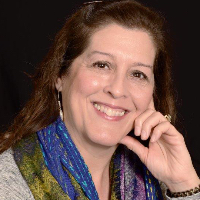
About Rebecca
Her style is interactive and straightforward. She aims to listen first, then help clients identify small, doable steps. Sessions often focus on clear skills for managing strong emotions, improving communication, and coping with life changes. Rebecca uses concrete tools rather than abstract theory.
Rebecca commonly draws on cognitive behavioral techniques to spot unhelpful thinking and test different ways of responding. She also uses solution-focused ideas to find what already helps and build on it. Mindfulness and motivational approaches appear when useful to strengthen attention and resolve.
Clients who prefer a pragmatic, step-by-step approach tend to fit well with Rebecca. She helps people break problems into manageable parts and track progress week to week. Conversations are direct but respectful, with an emphasis on practical change.
Rebecca’s background includes long-term clinical practice with adults facing caregiving stress, aging concerns, relationship difficulties, and life transitions. She keeps the plan clear and revisits goals regularly so people know what to expect and how they are progressing.
Areas of expertise
Primary focus
Also works with
Additional focus areas
Therapeutic approaches
Experience
23+ years
Credentials
Texas
Languages
English
How Rebecca’s therapeutic approaches work online
Rebecca often uses Cognitive Behavioral Therapy to help people notice unhelpful thoughts and try different behaviors. CBT is useful for anxiety, low mood, and self-critical thinking because it breaks problems into specific patterns to change.She also draws on Dialectical Behavior Therapy skills for emotion regulation and mindfulness techniques to improve present-moment attention. DBT skills teach practical ways to tolerate distress and manage strong feelings, while mindfulness helps with focus and reducing reactivity.
Finding the right approach is part of the work. Rebecca will discuss what feels most useful and adjust methods based on the client’s goals, needs, and preferences. That collaboration helps shape short-term goals and the tools used in sessions.
Session formats are not listed in the biography, so confirm current options before booking. Online sessions can make it easier to fit therapy around work, caregiving, or other responsibilities and can reduce travel time. They also allow for shorter check-ins when needed and let people choose whether to use video or other supported formats if available.
Frequently asked questions
What concerns does she address most often?
She works with stress, anxiety, depression, grief, anger, relationship and family concerns, self esteem, ADHD, caregiver issues, and end-of-life topics.
What is her therapeutic style like?
Her style is interactive and practical. She focuses on clear steps and skill building rather than long abstract discussion.
How many years has she practiced?
She has 23 years of clinical experience as a psychotherapist.
What are her credentials and where does she practice?
She is a Licensed Clinical Social Worker (LCSW) licensed in Texas and practices from that state.
Which languages are supported during sessions?
Sessions are offered in English.
Can people outside the United States work with her?
International clients are not currently accepted.
How are sessions arranged and what about cost?
Cost varies with location and sessions use a subscription that can be canceled at any time.
What do I need to do to begin?
Select the See online therapy options button, complete the short matching questionnaire, and schedule a first session.