- Mindfulness for anxiety
- CBT skill building
- Assertiveness training
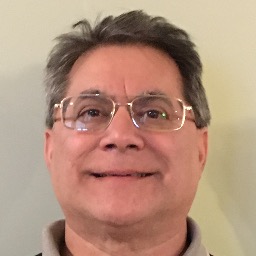
About Michael
Michael keeps a calm, steady approach in sessions. He uses mindfulness to help with anxiety and depression and teaches cognitive-behavioral skills for everyday challenges. He also works on communication skills and assertiveness so people can speak up more clearly and set boundaries they can keep.
Over more than two decades he has added methods such as Acceptance and Commitment Therapy, Attachment-Based work, Client-Centered methods, Cognitive Behavioral Therapy, and Dialectical Behavior Therapy. These approaches inform how he helps people notice unhelpful patterns and try different ways of responding to stress or relationships.
Sessions often focus on skill-building and small, practical steps. That can mean short breathing practices for high-anxiety moments, thinking exercises to challenge negative beliefs, or role-playing conversations before real-world talks. He aims to make therapy a usable part of daily life.
Michael’s background includes supporting people through addiction, caregiver stress, chronic illness, adoption and foster care issues, and attachment concerns. He works in English and practices under his IL LCPC credential.
Areas of expertise
Primary focus
Also works with
Additional focus areas
Therapeutic approaches
Experience
26+ years
Credentials
Illinois
Languages
English
Therapeutic approaches and online sessions
Acceptance and Commitment Therapy (ACT) helps people notice painful thoughts without getting stuck in them and choose actions that match their values. It is often used when someone wants to reduce avoidance and live with more purpose despite anxiety or low mood.Cognitive Behavioral Therapy (CBT) focuses on the link between thoughts, feelings, and behavior. It teaches practical exercises to challenge negative thinking, build new routines, and manage symptoms like anxiety, depression, or sleep problems.
Finding the right approach is part of the work. The therapist will talk with the client about goals, try methods suited to those goals, and adjust as needed so the plan fits the person’s needs and preferences.
Confirm current session options before booking since formats are not listed in the biography. Online work can make it easier to fit therapy into a busy week, allow shorter check-ins when time is tight, or avoid travel for an appointment. Therapists and licensed professionals generally use approaches like the ones above in remote sessions, adapting exercises and homework so they are practical to use between meetings.
Frequently asked questions
What concerns does he most often help with?
He commonly addresses stress, anxiety, addictions, anger, depression, relationship and family issues, trauma and grief, and self esteem problems.
What style of therapy does he use?
He uses a mix of approaches including mindfulness practices, cognitive-behavioral techniques, and client-centered listening to help people practice new skills.
How much experience does he have?
He has 26 years of clinical experience working with a broad range of concerns.
What credential does he hold and where does he practice?
He is an IL LCPC - Licensed Clinical Professional Counselor practicing in Illinois.
Which languages are sessions offered in?
Sessions are offered in English.
Can international clients work with him?
He does not accept international clients at this time.
How are sessions structured and paid for?
Cost varies with location and sessions use a subscription model that can be canceled at any time.
How do I begin if I want to try a session?
Select the See online therapy options button, complete a short matching questionnaire, and schedule a first session.