- Relationship concerns
- Self esteem issues
- CBT and attachment
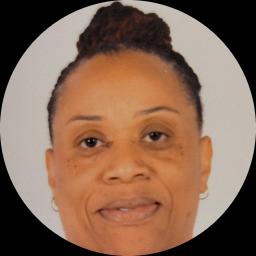
About Mercides
Palmer keeps sessions straightforward and direct. She listens for patterns in how people relate to themselves and others. Then she uses that information to help clients notice unhelpful habits and try different ways of responding. Conversations are practical and focused on steps a person can use between sessions.
Her work draws on attachment-based ideas to look at early relationship patterns, client-centered methods that prioritize the person's perspective, and cognitive behavioral techniques to address thoughts and behaviors. She may also use elements of dialectical behavior therapy and existential approaches when relevant. These tools are applied according to what each person needs rather than as fixed rules.
People who struggle with comparing themselves to others or who often doubt their worth may find a clear, steady approach helpful. Sessions aim to break down painful cycles into manageable changes. The emphasis is on small, real-world practices that build different habits over time.
Mercides practices in Maryland and conducts therapy in English. She asks new clients to complete a short questionnaire to match goals and preferences before scheduling a first session.
Areas of expertise
Primary focus
Additional focus areas
Therapeutic approaches
Experience
3+ years
Credentials
Maryland
Languages
English
Therapeutic approaches used in online sessions
Attachment-based work looks at how early relationships shape current patterns. It helps when someone notices repeated ways of connecting or pulling away from others and wants to change those habits. Client-centered therapy centers the person's experience and priorities, giving space to speak and be heard while the therapist reflects what matters most. Cognitive behavioral therapy (CBT) focuses on identifying upsetting thoughts and testing them with actions and experiments to reduce distress and change behavior.Finding the right approach is part of the process. The therapist will discuss options and together decide which methods fit the client's needs, goals, and preferences. That collaborative decision is revisited as work progresses so methods can shift when something else would help more.
Session formats are not listed in the biography, so confirm current options before booking. Online work can make it easier to fit therapy into a busy life, for example by saving travel time or allowing shorter check-ins during a break. It can also let people use video or audio according to comfort level and bandwidth. These practical benefits focus on making sessions more manageable within everyday schedules rather than promising any specific outcome.
Frequently asked questions
What concerns does she handle most often?
She focuses on relationship problems, trauma and abuse, grief, self-esteem struggles, and ADHD related issues.
How would you describe her therapy style?
Her style is direct and practical, with attention to patterns in relationships and everyday behavior change.
How much clinical experience does she have?
She has three years of professional experience as an LCPC practicing in Maryland.
What are her credentials and location?
She is an LCPC licensed in Maryland and provides services from that state.
Which languages are supported in sessions?
Sessions are offered in English.
Can people outside the U.S. work with her?
International clients are not currently accepted.
How does payment and cost work?
Cost varies with location and sessions use a subscription model that can be canceled at any time.
What steps are needed to begin?
Start by selecting the See online therapy options button, complete a short matching questionnaire, and then schedule a first session.