- Stress and anxiety
- Self esteem work
- Trauma and abuse
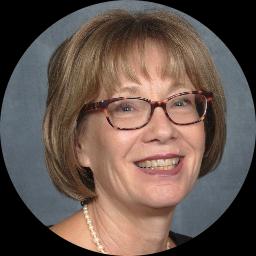
About Mary
Her approach is practical and conversational. Sessions focus on clarifying what matters most to the client and on small, realistic steps to reduce overwhelm. She adapts the topics and pace to each person's situation rather than following a single script.
She pays attention to how past relationships and life events shape present behavior and feelings. That often includes exploring abandonment, codependency, communication problems, and control issues. With people facing health-related challenges she looks at how illness or caregiving affects daily routines and identity.
Mary Beth uses evidence-based therapeutic techniques to address symptoms like anxiety, low mood, and attention difficulties. Work in sessions may involve learning new ways to notice and change unhelpful patterns, practicing clearer communication, and building more stable daily routines.
Throughout treatment she emphasizes steady progress over quick fixes. Sessions are aimed at increasing confidence and reducing the self-criticism that keeps people stuck. To begin she asks new clients to complete a short matching questionnaire and then schedule a first session.
She provides services in English and practices in Ohio as an LPCC.
Areas of expertise
Primary focus
Additional focus areas
Experience
15+ years
Credentials
Ohio
Languages
English
How evidence-based approaches are used online
Mary Beth works with evidence-based therapeutic techniques that focus on clear skills and behavior change. One common approach helps people notice and change unhelpful thinking and behavior patterns, which can reduce anxiety and low mood by training new responses to stressful situations. Another approach concentrates on improving daily routines, attention strategies, and structure, which can be useful for people managing ADHD or chronic stress.Finding the right method is a collaborative process. She will work with the client to test what helps most and adjust the plan based on goals, preferences, and how well techniques fit the person’s life. Sessions aim to be practical and to build habits that carry over between meetings.
The biography did not specify which session formats are offered, so confirm the available online options before booking. In general, remote sessions can make it easier to fit therapy into a busy day, reduce travel time, and allow shorter check-ins when needed. They can also let someone continue regular meetings while managing health or caregiving responsibilities. Licensed professionals can use online work to keep focus on skills practice, planning, and problem solving without promising any particular outcome.
Frequently asked questions
What concerns does she help with most often?
She commonly helps with stress, anxiety, trauma and abuse, self esteem, depression, and ADHD, and related issues like body image and caregiver stress.
What is her therapy style like?
Her style is practical and conversational, focusing on clear goals and small steps rather than long lectures or rigid protocols.
How much experience does she have?
She has 15 years of professional work experience supporting people through a range of emotional and life challenges.
What credential does she hold and where does she practice?
She is an Ohio LPCC and provides services while practicing in Ohio.
Which languages are supported in sessions?
Sessions are offered in English.
Can people outside the United States work with her?
She is not accepting international clients at this time.
What formats are used for sessions?
The original biography did not list specific session formats; please confirm current session options before booking.
How does scheduling and cost work?
Cost varies with location and sessions use a subscription that can be canceled at any time; the process begins by completing a short matching questionnaire and scheduling a first session.