- Stress management
- Relationship work
- Trauma support
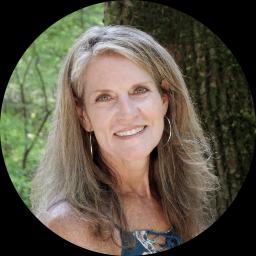
About Margie
She draws on evidence-based therapeutic techniques to help people name what feels hardest and to practice different ways of coping. Sessions are practical and direct. Conversations focus on what a person notices in daily life and on small steps that change how they feel and act.
Margie has worked as a counselor and as adjunct faculty at the school where she trained. That background influences her approach to teaching skills and explaining ideas clearly. She uses straightforward language rather than jargon and checks in often about what is useful.
People coming to her can expect conversations about patterns in relationships, reactions after stressful events, and the self-critical thoughts that keep people stuck. She also helps with motivation, midlife transitions, mood concerns, and women's issues.
Her practice invites practical skill-building alongside exploring difficult memories and emotions. Margie encourages clients to notice small changes and to rehearse new ways of relating to themselves and others.
To begin, select the See online therapy options button, complete a short matching questionnaire, and schedule a first session. The subscription used for sessions can be canceled at any time and cost varies with location.
Areas of expertise
Primary focus
Additional focus areas
Experience
7+ years
Credentials
Washington
Languages
English
Approaches used and how online sessions work
Margie uses evidence-based therapeutic techniques that focus on changing patterns that cause distress. One common approach she uses helps people identify and shift self-critical thoughts and unhelpful beliefs. This kind of work targets low self-esteem and persistent negative thinking by practicing alternative, more balanced ways of thinking.Another approach focuses on skills for handling strong emotions and stress. That work teaches grounding, distress-tolerance, and paced breathing techniques, and it supports people who are managing anxiety, mood swings, or the aftermath of trauma. These techniques aim to reduce immediate overwhelm and help rebuild a sense of control over reactions.
Finding the right approach is part of the work together. The therapist will talk with each person about their goals, preferences, and what has or hasn’t helped before. Decisions about which methods to use are collaborative and may shift as progress is made.
The biography does not list specific online session formats, so confirm available formats before booking. Online sessions can make it easier to fit therapy into a busy life by removing a commute and allowing sessions during a lunch break or between commitments. They also let people continue care when travel or distance would otherwise interrupt it.
Frequently asked questions
What concerns does she help with most often?
She works with stress, anxiety, relationship problems, trauma and abuse, self-esteem, and depression, plus related issues like attachment, guilt, and control concerns.
What is her general approach in sessions?
She uses evidence-based therapeutic techniques and practical skill-building. Sessions focus on noticing daily patterns and trying small, concrete changes.
How much clinical experience does she have?
She has seven years of professional experience working as a counselor and as adjunct faculty at the school where she trained.
What credentials and location are listed?
She is a Washington LMHC and practices out of Washington.
Which languages and international options are supported?
Sessions are offered in English and she accepts international clients.
What session formats are available?
The original biography does not specify session formats; please confirm current session options before booking.
How are fees handled?
Cost varies with location and sessions use a subscription that can be canceled at any time.
How do I get started with a first session?
Select the See online therapy options button, complete the short matching questionnaire, and then schedule your first session.